Sign in. It’s quick, free and it’s up to you.
An account is an optional way to support the work we do. Find out more.
Sign in. It’s quick, free and it’s up to you.
An account is an optional way to support the work we do. Find out more.
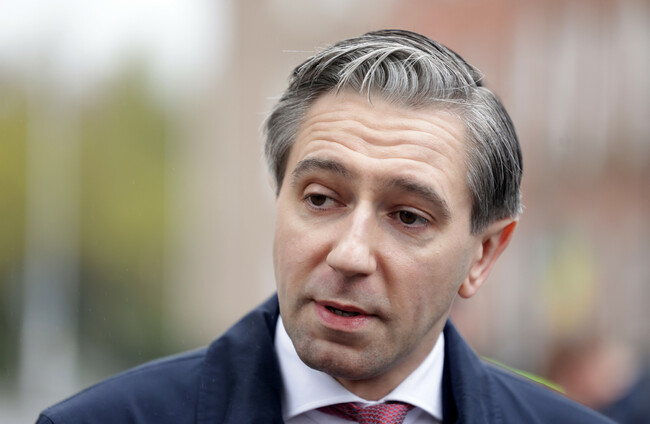
TÁNAISTE SIMON HARRIS has travelled to Brussels for two days of meetings with his European Union counterparts, the first gathering of finance ministers since member states introduced measures aimed at alleviating the economic impacts from the US-Israeli war against Iran.
The rising prices resulting from the closure of the economically vital Strait of Hormuz will be the main topic on the agenda. The meeting is also the last one scheduled before Ireland assumes the presidency of the EU.
Ahead of taking over the presidency, Harris will also attend an annual meeting between the EU and non-member European states to discuss economic affairs and cooperation.
The Tánaiste will also hold a number of bilateral meetings with Sweden’s finance minister, Elisabeth Svantesson.
“I look forward to receiving an update from the European Commission on the EU response so far and sharing views with colleagues on policy measures taken at national level,” Harris said of the war in the Middle East.
“Eurogroup will also receive a presentation on the Kukies-Noyer report, which aims to boost opportunities for EU companies looking to scale-up, as well as an update on progress of the Banking Union and the Digital Finance workstream.”
At a meeting of the Economic and Financial Affairs Council (ECOFIN), Harris and his counterparts will discuss the Market Integration and Supervision Package, which he described as “a key EU pillar of the broader Savings and Investment Union agenda which is of particular importance to Ireland and our financial services sector”.
“This package aims to mobilise private savings for more productive use which will in turn support the long-term financial wellbeing of citizens in Ireland and the EU,” he said.
Also on the minds of finance ministers over the course of the next two days will be the plans to curtail regulations in general, something member states and the European Commission have been advocating in recent years with the aim of making the EU more “competitive”.

To embed this post, copy the code below on your site














have your say