Sign in. It’s quick, free and it’s up to you.
An account is an optional way to support the work we do. Find out more.
Sign in. It’s quick, free and it’s up to you.
An account is an optional way to support the work we do. Find out more.
OVER 300 AIRLINES make up a growing “blacklist” of carriers that are banned from European airspace.
As airline safety again comes into the spotlight after the Germanwings disaster – caused by the co-pilot locking the cockpit before deliberately crashing the plane – the European Commission has been adding carriers to the “safety list” it first started publishing in 2005.
In December, all carriers from wartorn Libya, including its flag carrier, were added to a list which now includes 310 airlines from 21 countries. There are an extra 10 airlines which can only fly to the EU with specific aircraft.
At the time of the latest ban, EU transport commissioner Violeta Bulc said events in Libya had led to a situation in which the country’s officials couldn’t satisfy its obligations for airline safety.
The list is dominated by the airlines from 15 African countries, while the remainder come from Asia – including all but two airlines from the Philippines.
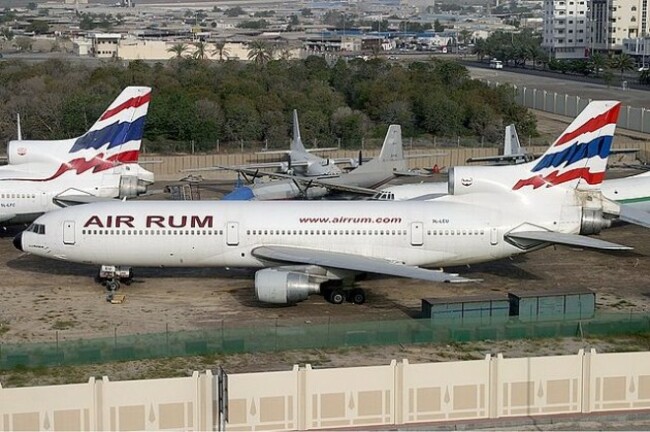
Many, like the Sierra Leone-registered Air Rum, are small airlines which have been shut down, or regional operators with very chequered safety histories.
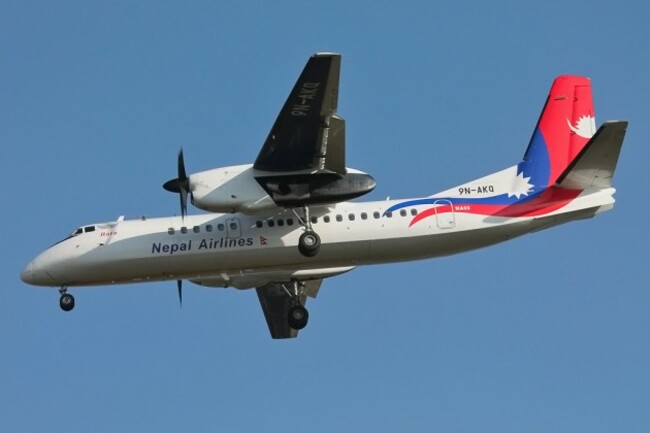
But the list also includes several national flag carriers like Nepal Airlines, which was added to the list in late 2013 alongside other airlines certified in the mountainous nation after a string of fatal crashes.
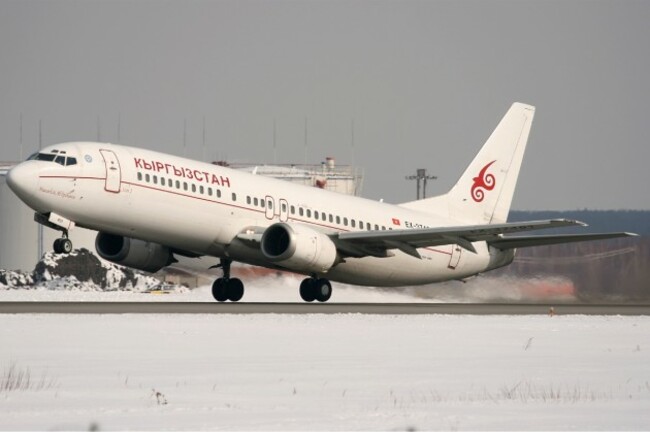
Other national carriers include Air Kyrgyzstan, Sudan Airways and Ariana Afghan Airlines, while airlines like Iran Air and Kazakstan’s Air Astana are limited to flying only specific planes in European airspace.
National authorities ‘crap’
David Learmount, operations and safety editor at UK-based Flightglobal, told TheJournal.ie the reason why so many airlines were being added to the list was because the countries in which they were registered didn’t maintain proper safety standards.
Another way of putting it is that their civil aviation authority is absolute crap,” he said via email.
Only a handful of the airlines were ever likely to operate a flight to Europe – despite the region being one-third of the world air travel market - which meant the ban had next to no effect on those carriers.
The only incentive it provided for banned countries to tighten up their safety provisions was the potential impact of a few lost sales as European agents are obliged to warn about blacklisted airlines if booking connections with them.
Indonesian ban
However one exception was the EU’s move in 2007 when it barred all Indonesian airlines – including major carrier Garuda International – after a series of crashes in the country. The national airline’s European flight privileges were restored in 2009.
Learmount said Indonesia was a “borderline case” because it was a populous, developing country that would want to maintain links to Europe.
It has the capability to be good but keeps on failing … Australia, a close neighbour, has been beating them over the head for years, and supplying help too, but a sustained improvement has yet to materialise,” he said.
The current blacklist includes Philippines AirAsia, but not fellow AirAsia affiliate Indonesia AirAsia – which had its ban lifted in 2010.
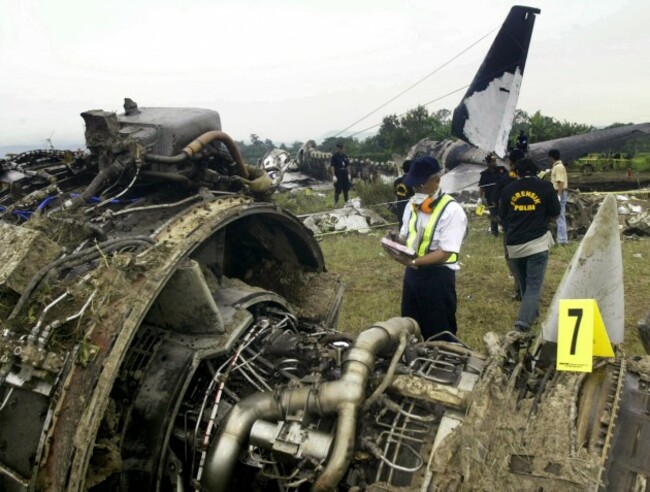
The Indonesian airline’s flight 8501 crashed in the Java Sea off Bornea in late December, killing all 162 people on board.
Learmount said the EU blacklist probably only acted as an incentive for airlines and countries to lift their standards “in the very long run”.
But then its intention is not to provide an incentive, it’s to protect EU citizens,” he said.
The full list can be found here.

To embed this post, copy the code below on your site












have your say