Sign in. It’s quick, free and it’s up to you.
An account is an optional way to support the work we do. Find out more.
Sign in. It’s quick, free and it’s up to you.
An account is an optional way to support the work we do. Find out more.
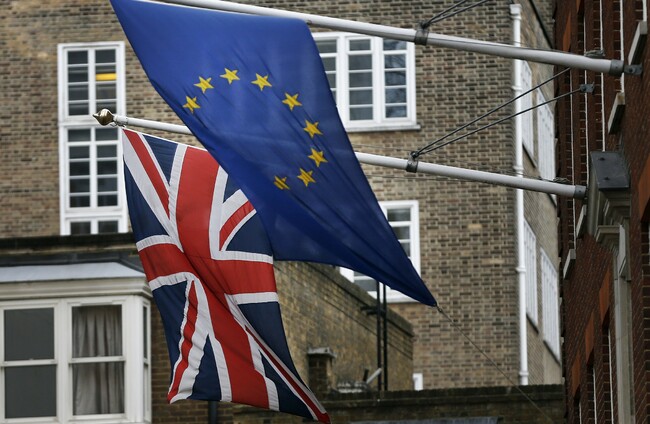
EU LEADERS GO into a make-or-break summit today, facing difficult compromises to keep Britain in the bloc and wrangling with Europe’s worst migrant crisis since World War II.
Prime Minister David Cameron’s demand for key reforms in return for Britain’s continued membership has exposed a rift over whether the EU’s future is to move ever closer together or to ease ties, becoming a looser group of distinct sovereign nations.
Fail to get a deal and Cameron has said anything is possible, including Britain becoming the first country to leave the 28-nation bloc after an in-or-out referendum that could come as early as this summer.
Cameron has staked his political survival on securing the reform deal and winning the plebiscite in hopes of ending a political feud over Britain’s place in the EU that has plagued his Conservative Party for a generation.
Leaders will also seek to get a new grip on the refugee crisis, which has seen over a million migrants flood into Europe.
Most of them are Syrians making their way from Turkey via Greece, which has been overwhelmed by the numbers.
Brussels has rounded on Athens, saying it is not doing enough, but a solution is elusive.
Welfare sticking point
To avoid a so-called “Brexit”, Cameron has four key demands – welfare restrictions to help curb immigration, safeguards for non-euro Britain, increasing EU competitiveness and an opt-out from closer EU integration.
The key sticking point is his demand that EU citizens working in Britain not have access to welfare benefits for four years.
Poland and other east European member states who have hundreds of thousands of citizens in Britain bitterly oppose such a change, saying it would discriminate against them and undercut the EU’s core principle of freedom of movement.
Brussels has offered what is known as an “emergency brake,” which Britain could invoke if its welfare system is overwhelmed by the inflow of workers, as it believes it has been.
To his call that non-euro Britain have safeguards against closer integration of the single currency area, France insists that London must “in no circumstances” get a veto over the eurozone.
An opt-out from the EU’s mission of “ever closer union” is also proving controversial amid charges concessions to London will create a two-speed Europe of countries wanting to limit integration and those wanting to press ahead.

To embed this post, copy the code below on your site
















have your say