Sign in. It’s quick, free and it’s up to you.
An account is an optional way to support the work we do. Find out more.
Sign in. It’s quick, free and it’s up to you.
An account is an optional way to support the work we do. Find out more.
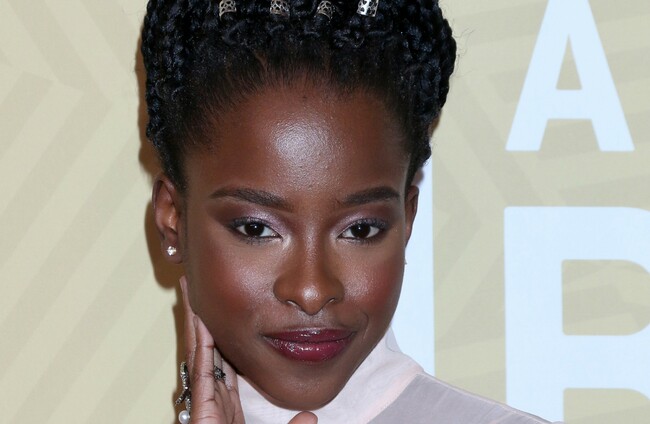
EVERY WEEK, WE bring you a round-up of the best longreads of the past seven days in Sitdown Sunday.
And now, every weeknight, we bring you an evening longread to enjoy which will help you to escape the news cycle.
We’ll be keeping an eye on new longreads and digging back into the archives for some classics.
Amanda Gorman first came to a global audience at Joe Biden’s inauguration. Here’s a look at the impressive 23-year-old’s life and writing.
(Vogue, approx 21 mins reading time)
If you book Amanda Gorman, her mother, Joan Wicks, told me, “you don’t feel like you are taking a chance.” The audience, for Gorman, is not an abstraction but a collaborator in her mode of rousing, outward-facing, and civic-minded poetical speech. She is something of a caring instructor, translating critical race theory for the benefit of eager Americans. Gorman works in the affirmative mode of reaction and response; I spent hours absorbing her poems, which is to say, viewing her performances of them on YouTube. For the dying climate, she has written “Earthrise.” For the modern crisis of white-supremacist violence, in all its forms, she wrote “In This Place (An American Lyric),” her most ambitious work, a poem she delivered at the inauguration of Tracy K. Smith as the poet laureate of the United States. In 2017, Gorman herself was named the first National Youth Poet Laureate.

To embed this post, copy the code below on your site















have your say