Sign in. It’s quick, free and it’s up to you.
An account is an optional way to support the work we do. Find out more.

Sign in. It’s quick, free and it’s up to you.
An account is an optional way to support the work we do. Find out more.

TODAY IS HUMAN Rights Day.
When we think of human rights in Ireland, we think of heroes on the international stage – people such as Mary Robinson, Bono and Bob Geldof. But human rights are highly relevant to people’s regular lives in Ireland too. Ordinary Irish people often have to fight for their human rights or face discrimination on a number of levels from gender to disability.
To mark Human Rights Day, here is a brief outline of what human rights are and how Ireland stands on them.
Human rights were enshrined by the United Nations in 1948 so that the gross human rights abuses that took place during World War II, particularly the Holocaust, would never happen to future generations. They are a set of standards for all nations and people to adhere to.
All human beings are born free and equal in dignity and rights. They are endowed with reason and conscience and should act towards one another in a spirit of brotherhood.
The aim of Human Rights Day is to commemorate the day on which the declaration of Human Rights was adopted and highlight the Declaration as the common standard of achievement for all.
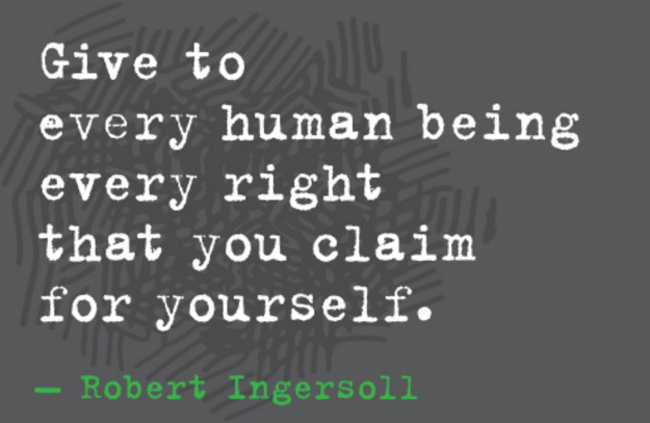
The Declaration of Human Right includes:
Ireland has ratified six of the nine core international human rights treaties. These include specific treaties on discrimination against women, the rights of children and protection against torture.
It has also been found that there is still a 14% gender pay gap, meaning women are still earning 14% less than men.
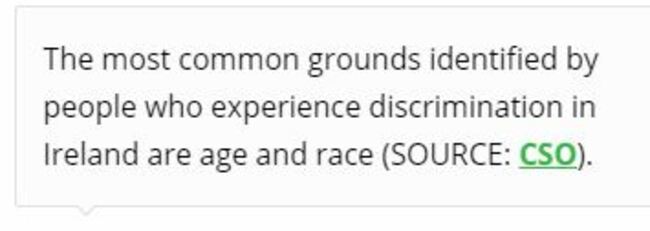
Discrimination is also still a concern for people of a different race or religion, who have a disability or those who are elderly.
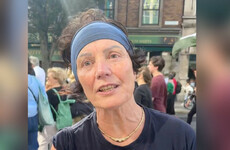
Discrimination can take place in lots of ways and places, such as Miriam Dowling’s story of discrimination in the workplace after experiencing mental illness.
Nobody should have to feel like they have to justify themselves for what they have gone through. My experience of mental illness does not make me any less of a person. I just wanted to be dealt with as an equal to all the other applicants. The equality legislation is there to ensure that this is what happens.
The Make Rights Real campaign aims to help people understand their rights by showing how human rights and equality are relevant to all our lives.
If you feel your human rights have not been respected, you’re experiencing discrimination in the workplace or in obtaining goods and services, or you just want to find out more about your human rights, you can contact the Irish Human Rights and Equality Commission and find out everything you need to know.
To embed this post, copy the code below on your site














have your say