Sign in. It’s quick, free and it’s up to you.
An account is an optional way to support the work we do. Find out more.
Sign in. It’s quick, free and it’s up to you.
An account is an optional way to support the work we do. Find out more.

YOU COULD BE forgiven for coming away from last night’s leaders debate on RTÉ feeling more conflicted than committed to any party, or party leader.
A ten-person debate is difficult to manage in any given circumstance, but as 29 November draws closer, tensions are high between parties as they take every chance given to them to set out their respective stalls.
So, who should you actually vote for? Many people may already have their hearts set on a certain party, or an Independent candidate, or a local politician who has done good for the area. Others, particularly first time voters, may find it slightly more difficult to wade through the buzz of the canvass and the debates and promises written in manifestos.
WhichCandidate, an initiative that helps voters find a politician running in their constituency that identifies best with their own beliefs, is now in its tenth year.
Founded by the University of Limerick’s Dr Rory Costello and John Costello in 2014, the website holds the motto: “Bringing policy into voting decisions”.
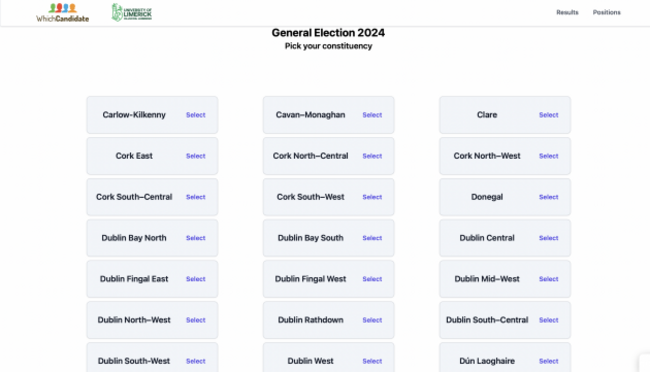
Explaining how it works, Dr Rory Costello said: “WhichCandidate is an easy way to compare candidates in your constituency and find out who you agree with and disagree with on a wide range of policy issues.
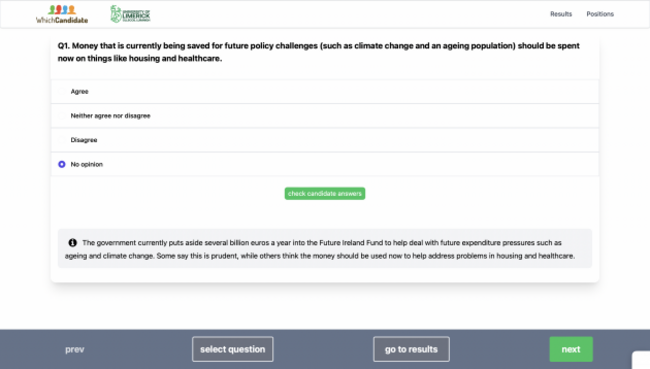
“All you have to do is to give your opinion on a set of around 30 questions, and you will receive a personalised set of results showing your level of agreement with each of the candidates. The answers you give are completely anonymous. It is a shortcut to becoming a more informed voter that takes less than ten minutes.”
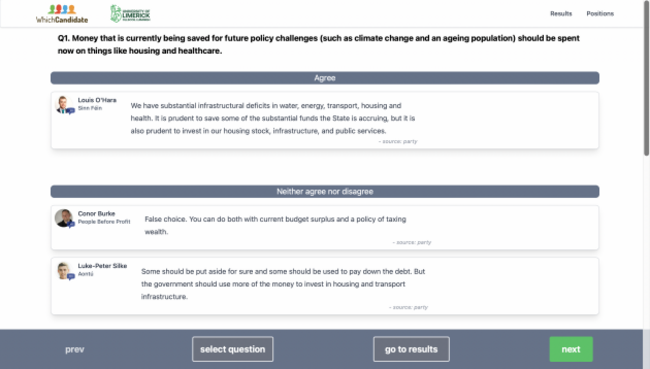
He said that the initiative was designed around the Irish electoral system, where voters have to rank candidates in order of preference.
“This is a complex task, and even people who have made up their mind about their top preference may not have given much thought to their subsequent preferences,” he added. “Your personalised results on WhichCandidate will make this task much easier. You can even fill out a mock ballot paper on the site, to make sure you are ready to vote.”
All of the information on the site comes directly from candidates or their political party, he said. He encouraged candidates who are not yet on the site to sign up and share their views.
For more information on candidates running in your constituency, you can visit The Journal‘s Candidate Database, which contains all candidates who have registered to appear on the ballot.
The Journal has also asked all candidates three questions about their plans if elected, the answers of which are available on the candidate’s page.

To embed this post, copy the code below on your site















have your say