Sign in. It’s quick, free and it’s up to you.
An account is an optional way to support the work we do. Find out more.
Sign in. It’s quick, free and it’s up to you.
An account is an optional way to support the work we do. Find out more.
IF I HAD been among the massive cohort of citizenry which apparently crammed into the GPO during the 1916 Rising, I’m pretty sure that I’d have had a decent recollection of doing my patriotic bit, ’mid cannons’ roar and rifles’ peal.
But I am old enough to have been present when similar vast swathes of the nation’s youth allegedly stood on a different plot of Dublin city’s sacred ground and bore witness to another iconic and momentous turning-point in Irish life.
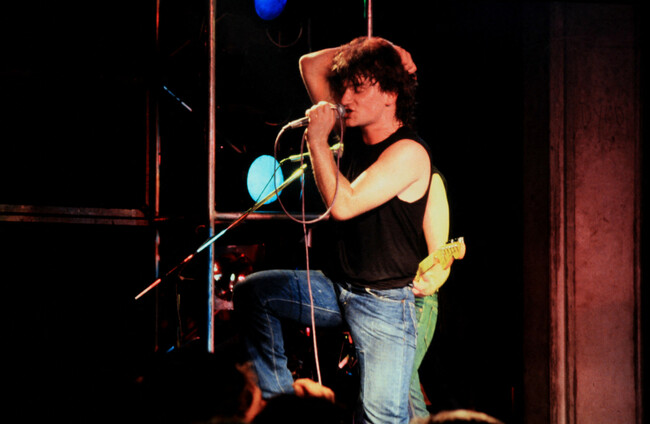
Swear to God I saw U2 play in the Dandelion Market.
What do I remember of those groundbreaking gigs, back in 1979? Very bloody little.
How did it feel to see Bono, Edge, Larry and Adam kickstart their extraordinary decades-long road trip? The main emotion was mild disappointment, to be honest, because the first time I saw U2 I had turned up expecting to see another local band instead, called DC Nein.
Now, DC Nein were everything an up-and-coming outfit should be – all swagger and style, with polished punky songs and smart lyrics. They were pure class, and the band was definitely destined for the big time (i.e. a London record deal). No question about it.
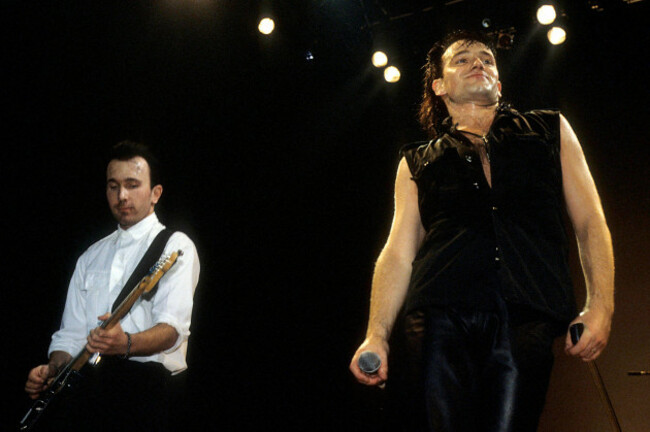
And U2? Meh.
Such perspicacity. Is it any wonder that less than a decade later I was working as a music journalist and reporting on how U2 attained the holy grail long sought by many Irish bands before them – they broke into the mainstream American market. Up until that point, even rock/blues/new wave luminaries such as Horslips, Rory Gallagher, Thin Lizzy and The Boomtown Rats had never managed to pull that off. Van Morrison did, but on a more modest scale, notching up US record sales of about 10m, compared to U2’s 52m-plus which includes eight Number One albums on Billboard.
(Sinéad O’Connor did achieve huge commercial success and break into the US music market in 1990 with “Nothing Compares 2 U” and her album ‘I Do Not Want What I Haven’t Got’, which topped the Billboard charts. But her mainstream American career was sharply derailed in the furore following her shredding of a pontifical photo live on prime time telly.)
Whether you love U2 or bristle at the sight of Bono’s visage, it is an incontrovertible fact that the band’s 1987 album ‘The Joshua Tree’ changed everything, and in more ways than one.
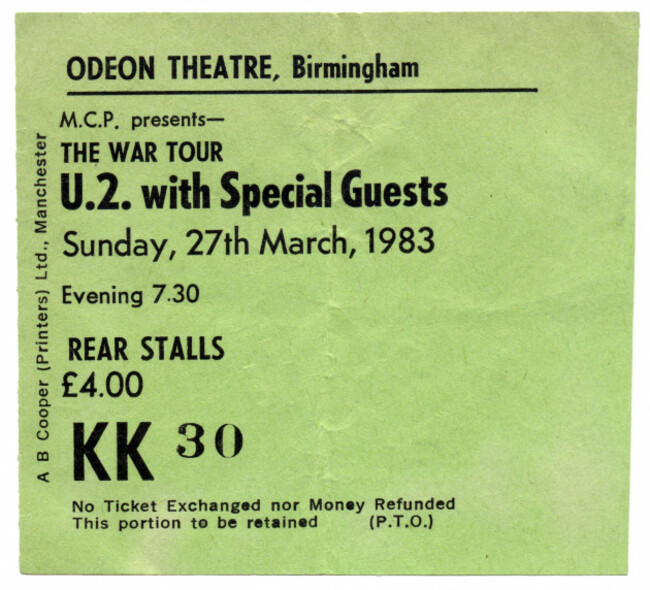
When the band flew a handful of Irish music writers to New York to catch a few gigs, we were staggered by the size of their success and the sheer scale of the tour. We landed to find the four familiar heads on the cover of Time magazine. A single from the album, “I Still Haven’t Found What I’m Looking For” was at the top of the American charts.
They were selling out stadiums. Like, stadiums! Most of us had never set foot inside such ginormous indoor venues before, and here were the lads with not a bother on them, shaking the rafters and screening images of American military hardware during ‘Bullet the Blue Sky’ while slagging off the likes of President Ronald Reagan.
Suddenly all the band’s songs and shapes made sense, let loose in the wide open spaces of America.
U2 didn’t ‘put Ireland on the map’ – Joyce, Beckett et al. might want a word – but the band did help reshape the international view of it. Post-1987, Irish travellers often found the phrase “Of course I know Bono” very useful as a letter of introduction, and it beat the hell out of patiently explaining that no, Ireland isn’t part of England, nor is the entire island being torn apart by daily bombs.
Nor was U2 solely responsible for launching a golden era for homegrown bands, but their unstoppable ascent through the ‘80s from local to global act undeniably supercharged it.
It may be 50 years this week since Paul Hewson, David Evans aka The Edge, Adam Clayton and Larry Mullen Jr first assembled in the drummer’s kitchen, but they weren’t the only bunch of teens on musical manoeuvres – over the next decade or so, bands sprang to life across the country.
For the musically-inclined in the ‘80s, it was often a choice between the two E’s: Emigration or Electric Guitar. Or one might even give rise to the other – after all, the Boomtown Rats had moved to London and made it onto ‘Top of the Pops’, the weekly worship on Thursday nights when every youngster blessed with access to BBC TV, stopped doing their ekker to pay homage.
In fact, the band scene may have been the only boom industry in Ireland in the 1980s. The counterpoint to the grim Imperial March beat of the economy was a fusillade of riffs alongside lyrics shaped by daily life. Open a door to any spare room, garage or vacant premises, and a bunch of lads – and some lassies – would tumble out pell-mell like skeletons from Donald Trump’s closet.
Music, mostly of the rock kind, seeped up through floorboards, floated out through windows, hit you between the eyes when you walked into a pub.
Bootlegged cassettes of gigs did a roaring trade; the flotilla of pirate radio stations filled the air with song; Hot Press and In Dublin magazines reviewed gigs, even the small ones.
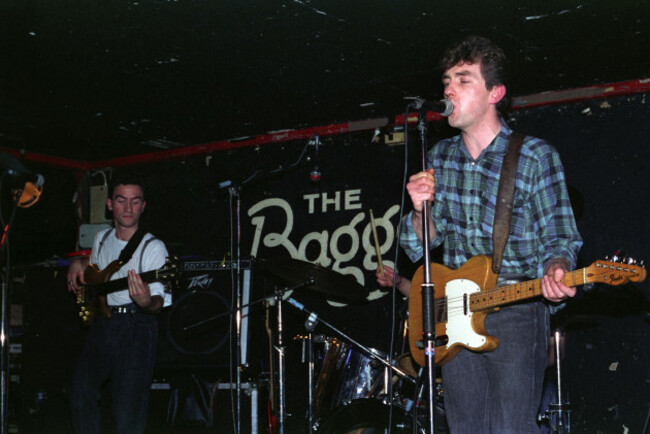
Anywhere with room for a stage could be a venue, but the capital in particular was buzzing with tiny-to-medium ones such as the Magnet, the SFX, The TV Club, The Olympic Ballroom, The Underground, McGonagles, and the Top Hat which was out in the sticks of Dun Laoghaire. And there was the music mecca of The Baggot Inn, the dimly-lit, ciggie-perfumed, shabby, sweaty backroom which hosted most Irish bands. But it also welcomed onstage the likes of David Bowie, Tracey Chapman, and a lad dressed as Jesus/Bono atop an actual donkey (not all at the same time, alas).
MTV USA, presented by Vincent Hanley – known to all as Fab Vinny – landed in 1984 and we all watched that. Slane Castle began its siren call to music’s A-List who hitherto gave damp, unglamorous, bomb-riddled Ireland a skip when planning their world tours. And some famous folk even dwelt among us in the ‘80s – albeit mostly in self-imposed exile for tax reasons.
But it wasn’t just the quantity of bands which formed and gigged in the early-to-mid ‘80s, it was the quality of them also which was remarkable.
Randomly and in no particular order – and this is by no means a definitive list so don’t be having a go – there were the likes of The Radiators, The Blades, The Virgin Prunes, Tuesday Blue, Blue In Heaven, Auto Da Fe, The Fountainhead, The Fat Lady Sings, In Tua Nua, Something Happens, Aslan, the Hothouse Flowers, Microdisney, Light A Big Fire, A House, Cry Before Dawn, Whipping Boy, My Bloody Valentine, The Stunning, The Sultans of Ping. From across the border, we listened to noisy bastards such as The Undertones, Stiff Little Fingers, Therapy? and That Petrol Emotion.
Many of them were incredible live bands, garnering devoted live followings. Anyone could catch a cracking band somewhere every night of the week and everyone had a favourite (Something Happens were mine).
The explosion of rock bands may well have taken place – pardon the obvious pun – with or without U2.
But what the success of the band did do was turn the gaze of the wider music business, in particular the British record companies, to the marvellous music melee which was in full roar across the water.
A&R men (Artists & Repertoire, always men) stampeded to Dublin in their droves in search of ‘The Next U2’, the pockets of their flashy suede jackets bulging with expenses, to do the rounds of the venues – where they would be promptly fleeced by chatty gig-heads on the lookout for free drink and then poured into a taxi just in time to catch the first flight back to London with a nagging feeling they had just signed a four-piece called ‘Yer Ma’.
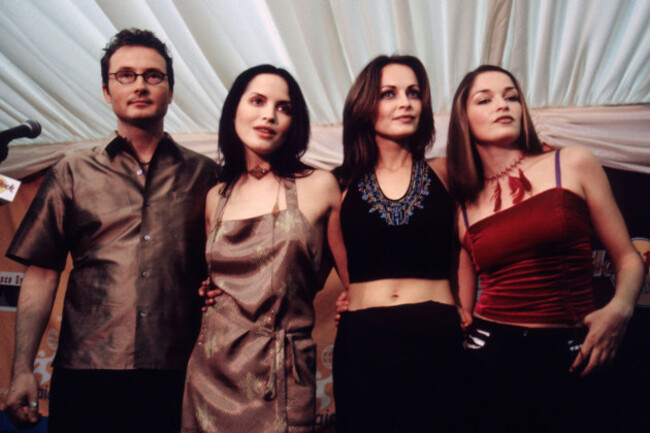
Heady times. But the enormous scale of U2’s success meant that Ireland was now regarded from London to LA as a happy hunting-ground for scouting talent, and the second wave of 1990s Irish bands including The Frames, The Corrs, The Thrills, The Cranberries and Snow Patrol were part of the crop which more easily attracted widespread attention – the first two bands also benefited from appearing in ‘The Commitments’, the 1991 movie adaptation of Roddy Doyle’s book on the Dublin music scene.
Of course Irish bands and artists are still flying it these days, both at home and abroad. But there was something special and remarkable about the profusion of brilliant bands in 1980s’ Ireland, playing as if the devil was after them, kicking against the literal and metaphorical pricks, doing it all for fame, for a laugh and for the sheer love of it.
Several decades on, and many of those band’s songs still sound vibrant, powerful and relevant.
How some of them never got to play in ginormous American stadiums, I’ll never understand.
Which makes the fact that U2 went from the Dando to US football stadiums in the space of eight years and have remained at that level since, all the more extraordinary.
I’m not ashamed to admit that this former music writer got it wrong. U2 were better than DC Nein.
But they’re still not as good as Something Happens.
Lise Hand is a journalist and writer. This column runs every Wednesday.

To embed this post, copy the code below on your site






have your say