We need your help now

Support from readers like you keeps The Journal open.

You are visiting us because we have something you value. Independent, unbiased news that tells the truth. Advertising revenue goes some way to support our mission, but this year it has not been enough.

If you've seen value in our reporting, please contribute what you can, so we can continue to produce accurate and meaningful journalism. For everyone who needs it.

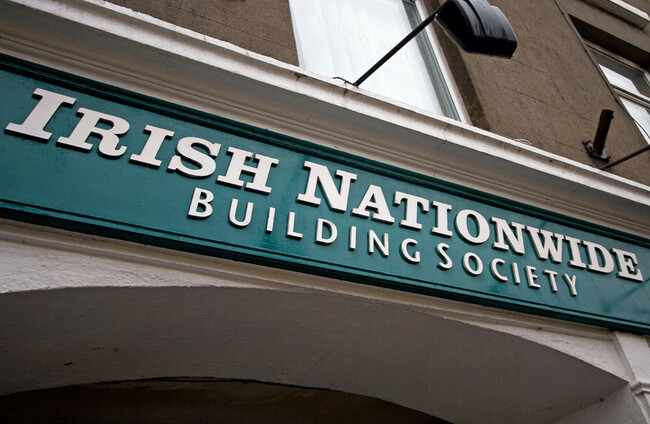
Irish Nationwide Building Society in Castlerea Alamy Stock Photo

Irish Nationwide provided millions in loans to clients before board approval, High Court hears

The civil case against former INBS chief Michael Fingleton is in its second day before the High Court.

IRISH NATIONWIDE BUILDING Society was providing millions of euro in commercial loans and top ups to clients before its board could approve them, including one to a commercial client who already had an exposure of a quarter of a billion euro when they were granted a loan for developing luxury holiday homes in France, the High Court has heard.

The civil case against former INBS chief Michael Fingleton is in its second day before the High Court, where it has been alleged that he negligently mismanaged the building society (INBS) and engaged in property “gambles” with high net-worth individuals in an informal and speculative manner.

Mr Fingleton (87), who is in ill health after a stroke, ran the building lender from 1971 to 2009, as managing director and chief executive. At its height in 2007, INBS had reported assets of €16 billion but was a high-profile casualty of the financial crisis of 2008.

Liquidators for Irish Banking Resolution Corporation (IBRC) have taken the case against Mr Fingleton, who denies the allegation of negligent mismanagement.

The losses, relating to property loans, had been estimated by the IBRC at €6 billion. However, only €250 million in damages is now being pursued by IBRC relating to five loans made by INBS, allegedly approved by Mr Fingleton, who the court was told was also “nodding through” top ups and extensions to certain clients.

At the High Court today, Lyndon MacCann SC, for IBRC, said the building society operated “flawed policies”, which were then ignored by the lender and made worse by what he called “flawed practices”.

Mr MacCann said an expert witness for IBRC will give evidence to the court that the level of “delegation of power” given to Mr Fingleton “was hideously flawed”.  

Counsel said that in one instance, Mr Fingleton approved a loan of €28M, months before it came before either the board or the credit panel of INBS in January 2009. The loan was for the purchase of two run-down hotels in the French alps despite them not having planning permission for a proposed luxury development. The application for the loan came before the board after it was already approved, it is alleged.

The court heard that Mr Fingleton “nodded” through loans, top-ups and loan extensions by phone or by “scribbling” a note on memos that reached him, as he did not have a computer or email.

Mr MacCann said the France loan, referenced ‘Ice Mountain’, was allegedly approved by Mr Fingleton despite the borrower’s company and his daughter already having a combined exposure of “a third of a billion euro” to INBS and that the company was “coming in at number seven in a Top of the Pops” – at €260 million – of those lenders with the most exposure to the bank.

The court also heard that a different loan for £71 million was “topped up” by a further £10 million, with only Mr Fingleton’s approval on record for the expanded loan.

In the case of a separate loan valued at €130 million in 2009, after Mr Fingleton had retired, INBS asked the borrower to repay the outlay. However, the borrower told INBS that the loan had been granted on a “non-recourse basis” which was disputed by the society.

The court was told that the borrower provided INBS with a letter from Mr Fingleton allegedly confirming the non-recourse status of the loan but INBS took legal advice which stated that the loans were of full recourse and that the borrower could indeed be pursued for the money, said counsel.

Mr MacCann described the letter stating the loans were non-recourse was an “extraordinary document” for Mr Fingleton to write and that a hand-writing expert will feature in the case.

In opening the case yesterday, Mr MacCann said Mr Fingelton “gambled” with the society’s money when he allegedly approved “speculative, risky” commercial loans, which sometimes had already been greenlit by him before they were taken before the board of directors, on which he also sat.

The return on the loans and interest from INBS was that if the properties could get planning permission, they were to be “flipped” for a profit, making it a “joint-venture” for INBS in profit agreements.

The five loans allegedly approved by Mr Fingleton relate to property land development projects between 2006 and 2008 despite them having no zoning or planning permission, counsel said.

It is further alleged that there were no securities in place on the loans and no personal guarantee sought for or provided by the borrowers.

Mr Fingleton was a prominent presence in Irish business during the Celtic Tiger and was reported to have been worth around €75 million in 2006. However, his son has told the courts that his father is reduced to €25,000 in two personal bank accounts and has outstanding judgment debts of more than €10.7 million.

The case continues at the High Court.

Readers like you are keeping these stories free for everyone...
A mix of advertising and supporting contributions helps keep paywalls away from valuable information like this article. Over 5,000 readers like you have already stepped up and support us with a monthly payment or a once-off donation.

Close
JournalTv
News in 60 seconds