Sign in. It’s quick, free and it’s up to you.
An account is an optional way to support the work we do. Find out more.
Sign in. It’s quick, free and it’s up to you.
An account is an optional way to support the work we do. Find out more.
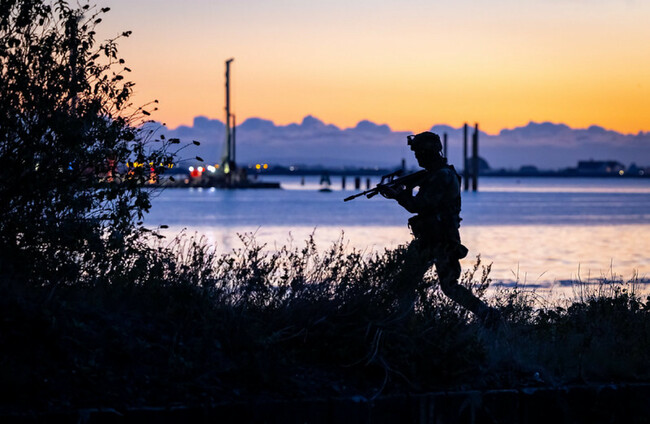
IRELAND WOULD CONSIDER sending peacekeepers to Ukraine if a ceasefire is agreed, it is understood.
However, the deployment would only happen if the ceasefire was agreed with an international mandate based on United Nations principles that needed monitoring in the same way as the Irish peacekeeping mission in Lebanon.
Just yesterday, Tánaiste and Minister for Foreign Affairs and Defence Simon Harris said the government is “not at the point yet” of deciding whether Irish peacekeepers will have a role in Ukraine.
Speaking on RTÉ’s News at One earlier, however, the Tánaiste said Ireland “certainly shouldn’t recuse ourselves from being part of the conversation should we get to that point”.
He noted also that Ireland has clear rules on peacekeeping which include requiring a UN mandate, a mandate from the Oireachtas and a mandate from the government before peacekeepers can be deployed. This is referred to as the ‘Triple Lock’.
The development today comes as Taoiseach Micheál Martin attended an online meeting of European leaders this afternoon to discuss the war in Ukraine.
The meeting was convened by President Emmanuel Macron of France and comes amid a major shift in US posture towards Russia and the war that is approaching its third anniversary.
It is understood the meeting was seen as “constructive”, lasting over two hours, and concluding with strong agreement on the need to continue steadfast support for Ukraine.
The Journal reported last year that there could be a possibility of Irish troops being deployed on peacekeeping missions to the Balkan region or even to Ukraine should a peace deal with Russia emerge.
At the end of last year there was speculation among defence and diplomatic sources that if any peace deal in Ukraine were to emerge it may need a force to act as peacekeepers and take up positions along the frontlines in the east of the country.
With reporting from Niall O’Connor

To embed this post, copy the code below on your site












have your say