Sign in. It’s quick, free and it’s up to you.
An account is an optional way to support the work we do. Find out more.
Sign in. It’s quick, free and it’s up to you.
An account is an optional way to support the work we do. Find out more.
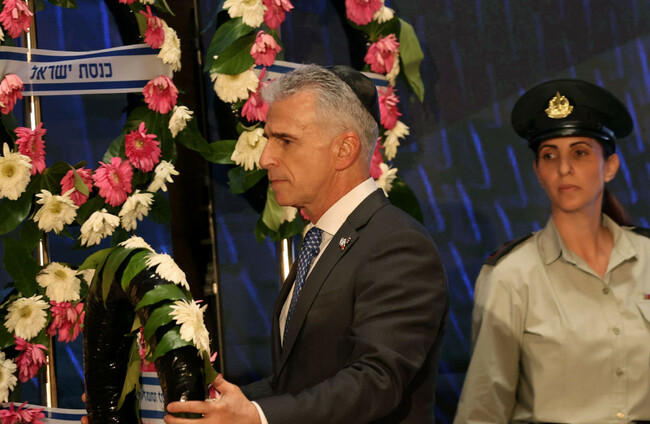
MEDIATORS FROM ISRAEL have begun a fresh round of talks with Hamas officials in Qatar, in an effort to reach a deal on a ceasefire and the release of hostages, as the conflict in Gaza enters its tenth month.
A delegation led by the head of Mossad – the Israeli intelligence agency - David Barnea, met with Qatari mediators in Doha – the Gulf state’s capital – on Friday evening.
However, Israel said that “gaps” still remain, and that they would be sending mediators for another round of talks next week.
The news of the fresh talks came during a telephone call between Netenyahu and US President Joe Biden on Thursday. He said that he welcomed the news, which provided a real opportunity for progress.
Speaking to the AFP news agency, Hamas spokesperson Osama Hamdan said that new ideas from the group had been “conveyed by the mediators to the American side, which welcomed them and passed them on to the Israeli side. Now the ball is in the Israeli court.”
He blamed the ongoing deadlock in talks on Israel, and said that the latest talks “will be a test for the US administration to see if it is willing to pressure the Zionist entity to accept these proposed ideas”.
It is as of yet unclear if any ceasefire deal will develop into a lasting peace.
In two separate statements, one on the official X account of the Prime Minister, and another on his personal account, Netenyahu reaffirmed his position that the war will only end after Israel has achieved all of its goals. While one of these is the release of all hostages, another is the total dismantling of Hamas, a commitment which could put any long-term peace deal in jeapordy.
A spokeperson for Hamas also said that they were coordinating with the Lebanese militant group Hezbollah, who have been exchanging daily fire with the Israeli Defence Forces (IDF) along the Lebanese-Israeli border since the conflict began in October.
Two weeks ago, a statement by the IDF said that plans for a potential invasion of southern Lebanon have been given the greenlight, which has led many in the region to fear that the conflict could expand.
With reporting from AFP.

To embed this post, copy the code below on your site




have your say