Sign in. It’s quick, free and it’s up to you.
An account is an optional way to support the work we do. Find out more.
Sign in. It’s quick, free and it’s up to you.
An account is an optional way to support the work we do. Find out more.
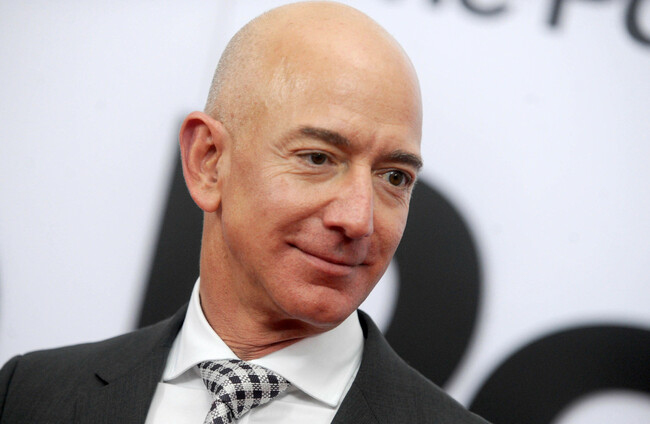
WITH OPINION POLLS predicting a close result in the US presidential election, two major American newspapers have opted not to publish an endorsement for either candidate.
The Los Angeles Times and The Washington Post have taken the decision to break with tradition and declined to come out in favour of Donald Trump or Kamala Harris ahead of the election.
“We are returning to our roots of not endorsing presidential candidates,” wrote the Post’s publisher William Lewis, who said this would remain the case into the future.
Friday’s announcement, made just two weeks before the election on 5 November, drew a pointed retort from the Post’s former top editor Marty Baron, who suggested his old newspaper was giving in to intimidation from Trump.
“This is cowardice,” Baron said on X, “with democracy as its casualty.”
In a letter published in the Post yesterday, the paper’s owner Jeff Bezos explained the thinking behind the decision, saying that public trust in the media has declined and that endorsements contribute to the image of news outlets being biased.
“We must be accurate, and we must be believed to be accurate. It’s a bitter pill to swallow, but we are failing on the second requirement. Most people believe the media is biased,” the Amazon founder wrote.
“Presidential endorsements do nothing to tip the scales of an election. No undecided voters in Pennsylvania are going to say, “I’m going with Newspaper A’s endorsement.” None.
“What presidential endorsements actually do is create a perception of bias. A perception of non-independence. Ending them is a principled decision, and it’s the right one.”
The Post’s announcement that it would not be endorsing a candidate came on the same day that the head of Blue Origin – one of Bezos’ companies – met with Trump.
In his letter, Bezos said he was unaware of the meeting.
“I sighed when I found out, because I knew it would provide ammunition to those who would like to frame this as anything other than a principled decision. But the fact is, I didn’t know about the meeting beforehand,” he said.
The Post’s decision has had a significant impact on readership, according to the newspaper’s own reporting, although it has not released figures on the number of cancellations.
Yesterday, US media outlet NPR carried a report, citing two unnamed sources, that the Post had lost 200,000 digital subscribers since the announcement, representing 8% of its total.
Readers have expressed their anger and disappointment in letters to the paper’s editor.
One reader from Philadelphia, Michele Kilpatrick, said she hoped the decision was “remembered with shame, as an example of what it looks like for an institution to fail to live up to its stated principles when it matters most”.
With reporting from AFP

To embed this post, copy the code below on your site











have your say