Sign in. It’s quick, free and it’s up to you.
An account is an optional way to support the work we do. Find out more.
Sign in. It’s quick, free and it’s up to you.
An account is an optional way to support the work we do. Find out more.
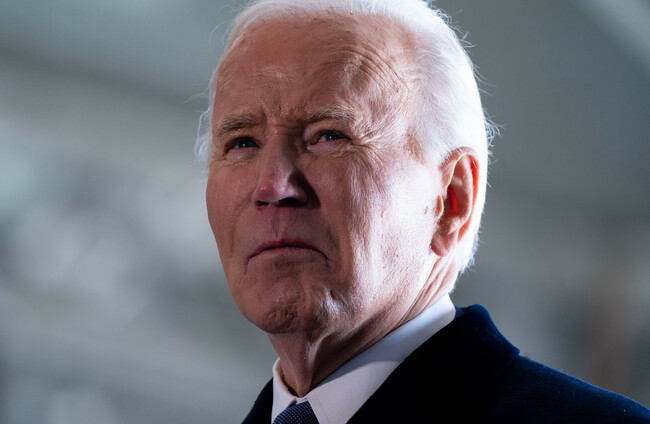
IN THE FINAL few minutes of his presidency yesterday, Joe Biden issued preemptive pardons for several family members.
Earlier in the day, he issued preemptive pardons for others including Dr Anthony Fauci, the White House’s chief medical advisor during the Covid-19 pandemic, and members of the House committee that investigated the 6 January attack on the Capitol.
“These public servants have served our nation with honor and distinction and do not deserve to be the targets of unjustified and politically motivated prosecutions,” Biden said in a statement.
Granting pardons is common, each president does it – but Biden set the record for the number of pardons granted, almost 2,500 of which related to non-violent drug offenders.
For his part, one of Donald Trump’s first actions in his second term was to pardon more than 1,500 of his supporters who stormed the Capitol on 6 January 2021, in a bid to overturn the results of the 2020 election.
Trump has repeatedly called for the prosecution of his perceived enemies, including Fauci and members of the since-disbanded committee.
Shortly after he was sworn in as the 47th President of the United States, Trump called Liz Cheney, a Republican member of the 6 January committee and vocal Trump critic, a “lunatic”.
Speaking to supporters in the Capitol Visitor Center yesterday afternoon, Trump said: “Why are we helping some of these people? Why are we helping Liz Cheney? She’s a disaster – she’s a crying lunatic.”
Trump’s remarks in the Capitol Visitor Center today were a reminder that neither lies nor the liar who tells them get better with age. The Select Committee evidence is available on multiple websites and, as a criminal defendant, Donald Trump has had access to all the transcripts…
— Liz Cheney (@Liz_Cheney) January 20, 2025
Responding to his remarks, Cheney said people should “remember Trump’s character”:
“He sat in his dining room watching on television as his supporters attacked our Capitol and brutally assaulted law enforcement. For hours, he refused to instruct the mob to leave. The truth will never change.”
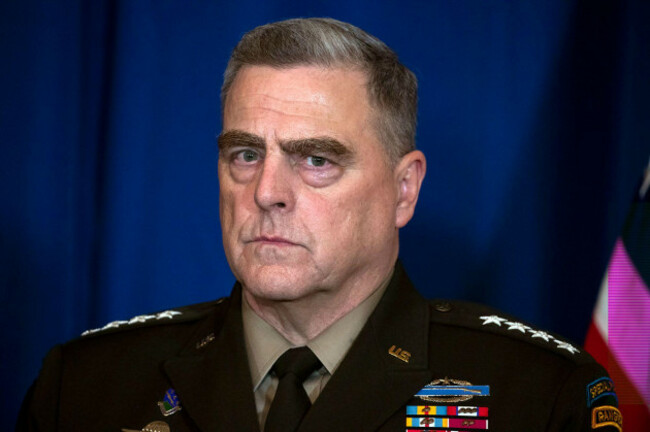
Biden also pardoned retired general Mark Milley, the former chairman of the Joint Chiefs of Staff, yesterday.
Trump and Milley have repeatedly clashed in recent years – over the 6 January riots and other issues. In 2023, Trump suggested that Milley deserved to be executed.
In September of that year, Milley told The Atlantic that, if Trump was reelected, he believed he would be top of his hit list for revenge.
“He’ll start throwing people in jail, and I’d be on the top of the list,” Milley said at the time.
Within hours of Trump being sworn in yesterday, a portrait of Milley was taken off the wall of the Pentagon, according to media reports.
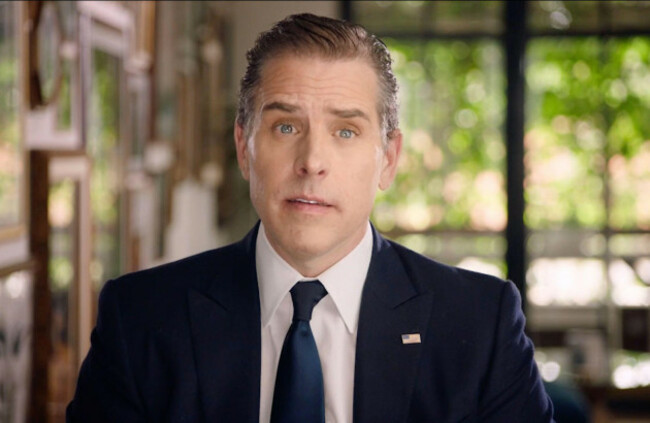
Last month, Biden pardoned his son Hunter for tax and gun crimes – despite previously saying he would not. In this case, Hunter was facing sentencing for two criminal cases related to tax evasion and lying about his drug use when he bought a gun.
However, many of those pardoned yesterday have not actually been investigated for or charged with any crimes.
Preemptive pardons are pardons given to individuals before they have been investigated for a crime.
Speaking to Katie Couric Media shortly before Biden issued yesterday’s pardons, Rachel Barkow, a law professor at New York University, said the outgoing president would likely issue preemptive pardons “because the incoming administration has indicated that they’d go after certain people, and it looks like political retribution”.
So the argument for doing it would be to spare those people from having to go through the misery of a federal investigation.
Biden issued blanket pardons for his brother James and his wife, Sara; his sister, Valerie, and her husband, John Owens; and his brother Francis.
In a statement issued minutes before Trump was sworn in as his successor, Biden said his family had been “subjected to unrelenting attacks and threats, motivated solely by a desire to hurt me — the worst kind of partisan politics”.
“Unfortunately, I have no reason to believe these attacks will end,” Biden said.
“The issuance of these pardons should not be mistaken as an acknowledgment that they engaged in any wrongdoing, nor should acceptance be misconstrued as an admission of guilt for any offence.”
House Republicans last June sent a letter to the Justice Department recommending the prosecution of Hunter and James Biden, accusing them of making false statements to Congress as part of a Republican impeachment inquiry.
James Biden’s lawyer at the time called it a “baseless partisan action”. James Biden’s business dealings were heavily scrutinised by Republicans as part of their failed impeachment inquiry.
Republicans pointed to a series of payments that they claimed showed the president benefited from his brother’s work.
House Democrats defended the transaction last year, saying James Biden was repaying a $200,000 (about €193,000) loan provided by his brother. The money changed hands while Joe Biden was a private citizen.
In a voluntary interview as part of the impeachment inquiry, James Biden said his brother “never had any involvement” in the business dealings of other members of his family.
Other US presidents have also pardoned family members. Bill Clinton pardoned his brother Roger for drug charges after he had served his sentence roughly a decade earlier.
In the final weeks of his first term as president, Trump pardoned Charles Kushner, the father of his son-in-law Jared Kushner, who was previously convicted of tax evasion and witness tampering.
Trump also pardoned multiple allies who were convicted in special counsel Robert Mueller’s investigation into Russian interference in the 2016 US presidential election.
Contains reporting from Press Association and © AFP 2025

To embed this post, copy the code below on your site











have your say