Sign in. It’s quick, free and it’s up to you.
An account is an optional way to support the work we do. Find out more.
Sign in. It’s quick, free and it’s up to you.
An account is an optional way to support the work we do. Find out more.
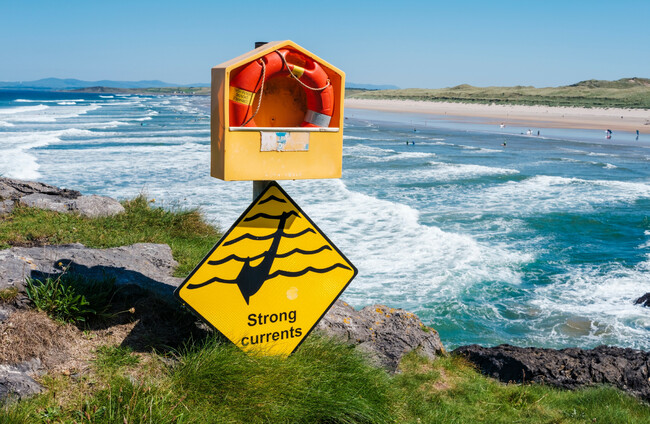
BEACHES HAVE BEEN thronged in recent days amid a late-spring warm spell, but lifeguard recruitment challenges and an outdated calendar mean swimming spots at Ireland’s seashores, lakes and rivers aren’t monitored until June.
The official lifeguard season covers weekends in June and every day of July and August, Ireland’s meteorological summer.
However, with temperatures in the mid-20s over the weekend, many beaches were already thronged with sunbathers and swimmers.
The high temperatures are set to continue throughout the week and could hit up to 28 today, according to Met Éireann’s latest forecast.
A teenage girl died on Sunday after getting into difficulty in the water at Burrow Beach in north Dublin. The full circumstances of her death are not yet known.
Councillor Cathal Haughey said the local communities in Sutton and Howth are “in shock” following the “unthinkable tragedy”.
Haughey, alongside councillors Joan Hopkins and David Healy, supports the extension of the lifeguard season to May, particularly on busy beach weekends.
Each year, the public are warned by councils and authorities that no lifeguards are on duty in May.
However, although lifeguards don’t even begin weekend duty until June each year, figures from Met Éireann show average temperatures in May are rising, and rainfall is reducing, due to climate change – meaning a likelihood of more beach days, earlier in the summer season.
Lifeguarding posts in Ireland are usually filled by school-leavers or college-aged young people seeking summer jobs.
Water Safety Ireland (WSI) trains up to 600 lifeguards a year, but many don’t choose to work in the sector because of exam clashes or more attractive opportunities abroad.
WSI deputy chief executive Roger Sweeney told The Journal crowded beaches in May “can’t be ignored”, but said local authorities, which are responsible for recruitment, are already struggling to man the existing season:
“A lot of the people qualifying as lifeguards do their lifeguard exams around the time they’re taking state exams.”
“That obviously influences full-time availability,” he said, adding that many young people now travel after their exams.
Irish lifeguarding qualifications are internationally recognised. Some lifeguards choose to work abroad, particularly in countries with a longer season.
Water Safety Ireland has recently been promoting lifeguarding as a year-round job, where recruits can work outdoors in summer and indoors at leisure centres in winter.
Asked for general safety advice for anyone heading for an outdoor swim at this time of year, Sweeney said people shouldn’t assume that the water is warm because temperatures have risen.
“Warm air does not mean warm water… the water is still cool and that’ll cool your muscles,” Sweeney explained.
He said whether a lifeguard is on duty or not, people should take safety precautions, such as avoiding waterways known for rip currents and only swimming within one’s depth.
If a swimmer gets taken out to sea by a rip current – the most common cause of drowning – often the instinct is to swim towards shore, he said, but that’s not advised.
“Olympic swimmers would find it difficult to swim back to shore against it,” he said.
Swimmers are instead advised to swim parallel to the shore until they are out of the current, which generally is only as wide as a road, Sweeney says.
Eighty people died by drowning in Ireland in 2025, while lifeguards carried out over 300 rescues.
Lifeguards also make thousands of first aid interventions each year and assist children found wandering near waterways alone.
You can find out which waterways will have a lifeguard on duty by checking watersafety.ie.
With additional reporting by Eimer McAuley
Unsure of what exactly is happening with the earth’s climate? Check out our FactCheck Knowledge Bank for essential reads and guides to finding good information online.

To embed this post, copy the code below on your site














have your say