Sign in. It’s quick, free and it’s up to you.
An account is an optional way to support the work we do. Find out more.
Sign in. It’s quick, free and it’s up to you.
An account is an optional way to support the work we do. Find out more.
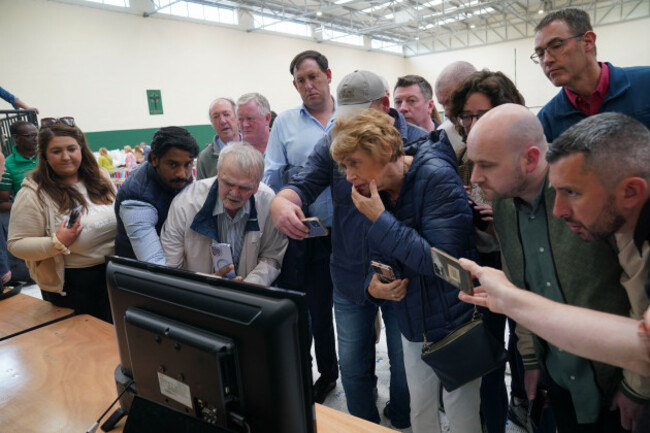
AS DAY TWO of counting in the local elections is due to kick off, here’s a wrap of some of the key takeaways we have so far.
As of this morning, 194 out of the 949 seats up for grabs across the country have been filled. There’s still a long way to go though so the below comes with the usual health warnings.
Here’s five key things we know so far:
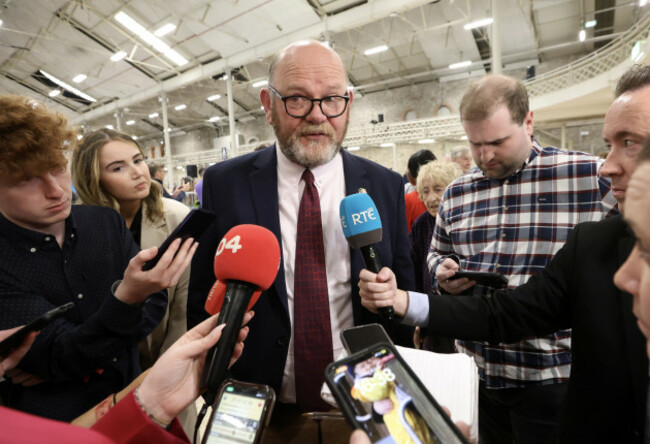
Sinn Féin leader Mary Lou McDonald has been noticeably absent from count centres with the party looking unlikely to make the level of gains it would have wanted.
The party had a low base to build on after a pretty poor showing in 2019, so while early indications point to the party gaining seats, it looks to be nowhere near the gains they have been hoping for.
After the 2020 general election, one of the key talking points surrounding Sinn Féin was that the party did not run enough candidates to fully benefit from the huge surge in popularity they experienced.
McDonald pledged that the same would not be said this time around, but it looks as though that strategy may have actually backfired on them.
In some constituencies, the party chose to run three or four candidates, a decision which looks set to have split the vote for them.
Speaking to reporters earlier, TD Pearse Doherty told reporters that there is some “disappointment” over his party’s performance so far, but that the race isn’t over yet.
He said that with some of their new candidates the party was “trying to break new ground”, adding: “it’s been a tough election”.
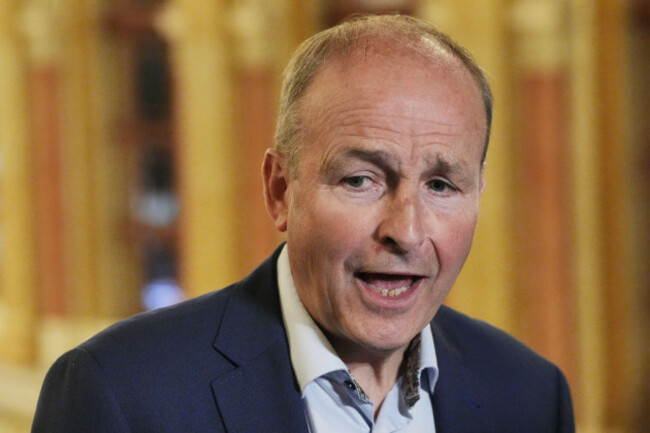
Fianna Fáil is currently the largest political party at local government level, but what is looking like a strong bounce for Fine Gael in the polls risks upsetting this.
Both parties appear to be having a good weekend and tallies and early results show them both maintaining ground.
Speaking on Saturday, Fianna Fáil leader Micheál Martin said the party is doing much better than expected.
“I have been looking at opinion polls for the last three years putting Fianna Fáil at 14-15% when clearly Fianna Fáil will be well ahead of that and well over 20% by the time all these counts are put together,” he said earlier.
Some are predicting that Fine Gael currently has the edge and are well placed to knock Fianna Fáil from the top spot. Time will tell.
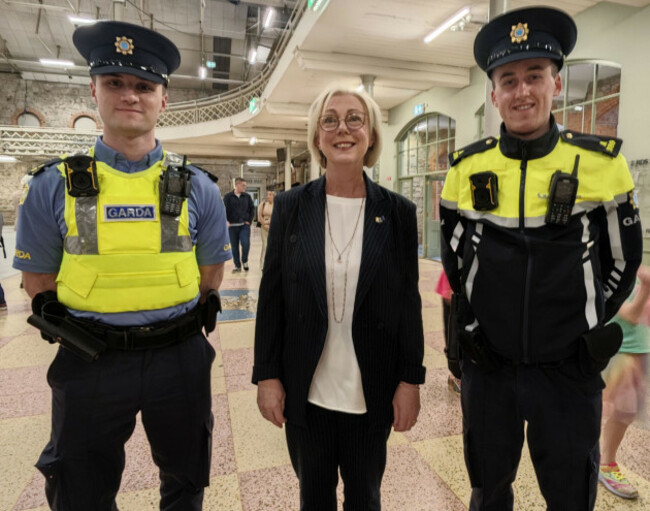
Speaking to reporters at the RDS, Fine Gael senator Regina Doherty – who looks very well placed to take a seat for Dublin in the European elections – said it would have been a tougher fight if there had not been the change of leadership in Fine Gael.
Taoiseach Simon Harris has been in the top job for just over two months now after Leo Varadkar’s shock resignation in March, and we’re sure he will be more than happy at how today has unfolded.
How much of an impact Harris’s leadership has had is difficult to say at this point, but it’s clear the party is faring much better than was predicted a few short months ago.
As expected, Independents look to be having a good weekend.
Just after 3pm yesterday, Independent councillor Thomas Welby in the Conamara North LEA, became the first councillor deemed elected in the country.
Tallies indicate it’s likely Independents will exceed the number of first preference votes achieved in 2019.
One of the major talking points of this election has been the emergence of a significant number of anti-immigrant candidates.
Figures compiled by The Journal found that there are 167 far-right candidates running in 31 out of 33 local authorities.
At the time of writing, no far-right candidates have been elected but some are definitely in the running for a seat.
In Dublin’s North Inner City Malachy Steenson and in Ballymun-Finglas Gavin Pepper (both listed as non-party) are in with a fighting chance of nabbing seats with 915 and 1,126 first preference votes respectively.
Labour’s MEP candidate Aodháin Ó Ríordáin was in high spirits when he told reporters that “it’s going to be a great few days” for the party.
Although there are extremely limited tallies for the European elections, Ó Ríordáin looks to be in with a fighting chance for the last seat in Dublin.
In the locals there were bright spots too, with tallies from Rathfarnham-Templeogue show Labour candidates Pamela Kearns and Ciarán Ahern both look set to be elected with a combined 27% of first preferences.
It was all smiles among Labour members when party leader Ivana Bacik told reporters the party looks set to make gains.
When asked by one reporter if she is delighted that reporters of Labour’s demise have been “much exaggerated” in recent years, Bacik responded: “I always knew it was greatly exaggerated”.
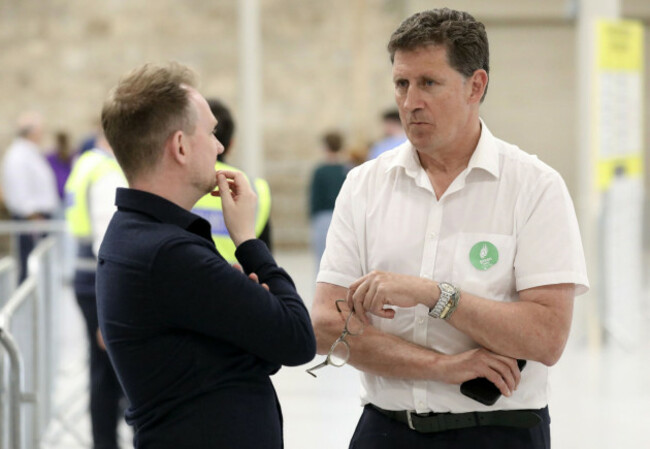
The mood in the Green Party was more tempered by comparison, with party leader Eamon Ryan admitting Ciarán Cuffe’s Dublin seat in the European Parliament is at risk.
The party looks to be faring very well in Dublin and has topped the polls in a number of constituencies, but tallies from outside the capital paint a different picture with the party looking to lose seats in a number of areas.
As Cuffe put it earlier: “It clearly isn’t a green wave but it’s not a wipeout either”.

To embed this post, copy the code below on your site












have your say