Sign in. It’s quick, free and it’s up to you.
An account is an optional way to support the work we do. Find out more.
Sign in. It’s quick, free and it’s up to you.
An account is an optional way to support the work we do. Find out more.
EVERY WEEK, WE bring you a round-up of the best longreads of the past seven days in Sitdown Sunday.
And now, every weeknight, we bring you an evening longread to enjoy which will help you to escape the news cycle.
We’ll be keeping an eye on new longreads and digging back into the archives for some classics.
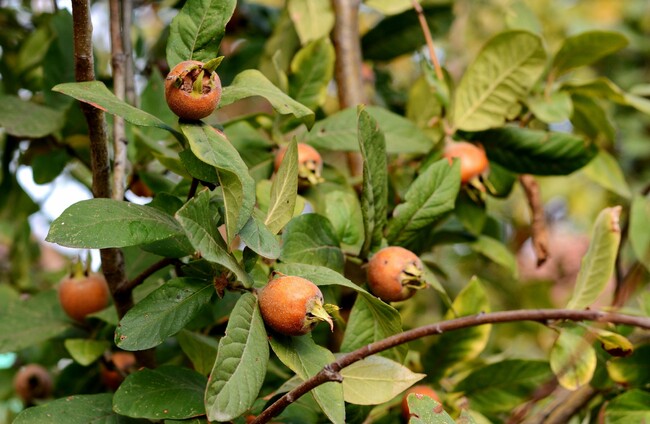
Ever heard of the medlar? Us neither – but the fruit has a fascinating and weird story.
(BBC, approx 10 mins reading time)
The polite, socially acceptable name by which it’s currently known is the medlar. But for the best part of 900 years, the fruit was called the “open-arse” – thought to be a reference to the appearance of its own large “calyx” or bottom. The medlar’s aliases abroad were hardly more flattering. In France, it was variously known as ”la partie postérieure de ce quadrupede” (the posterior part of this quadruped), “cu d’singe” (monkey’s bottom), “cu d’ane” (donkey’s bottom), and cul de chien (dog’s bottom)… you get the idea. And yet, medieval Europe was crazy about this fruit.

To embed this post, copy the code below on your site
















have your say