Sign in. It’s quick, free and it’s up to you.
An account is an optional way to support the work we do. Find out more.
Sign in. It’s quick, free and it’s up to you.
An account is an optional way to support the work we do. Find out more.
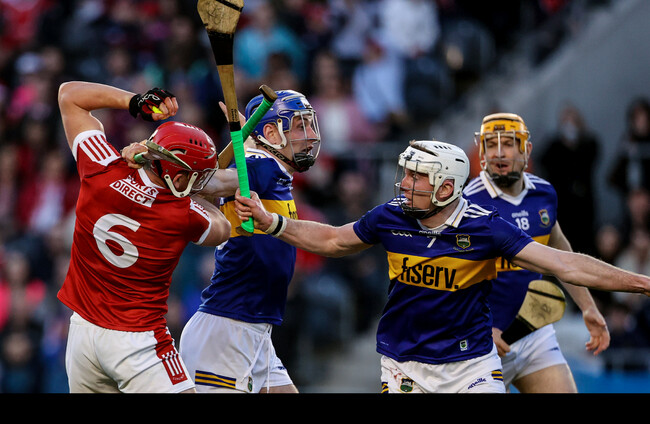
TÁNAISTE MICHEÁL MARTIN has said he is concerned about the “growing, creeping paywalling” of access to viewing sports events but said that a reduction in the licence fee is not a measure being considered by the government.
There has been heavy criticism of the GAA in recent days after the Munster senior hurling clash between Tipperary and Cork was aired on the GAAGO online platform instead of on free-to-air television.
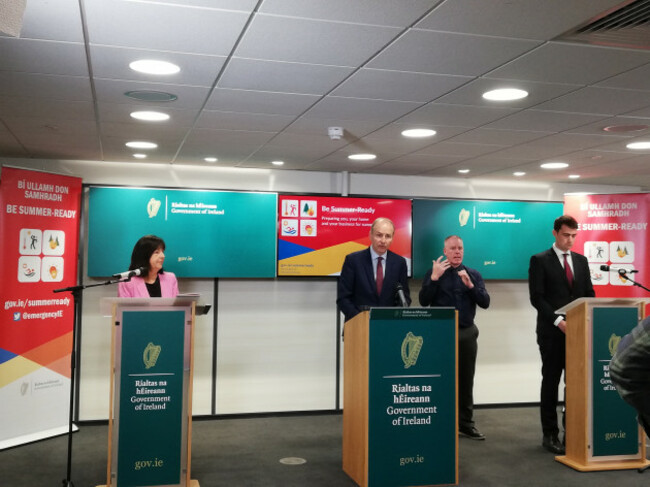
Martin was speaking today at a press conference launching the government’s ‘Be Summer Ready’ campaign.
He was asked about a tweet from Fine Gael TD a former Mayo footballer Alan Dillon who said that a €50 reduction in the TV licence fee would be appropriate now that some GAA championship games are behind a paywall.
A TV licence fee of €160 per year applies to every home an business with a TV, with exemptions for persons aged over 70. The TV licence helps to fund State broadcaster RTÉ, which is also a 50% owner in the GAAGO online platform
“There’s been much debate over the last number of years around the adequacy of the licence rather than a reduction of the licence, so I don’t believe a reduction is on the cards at all, ” Martin said.
But I think it’s a fair question though in terms of where does the citizen come into all of this?
“I think to reduce the licence fee by €50 means, in essence, an ending of public service broadcasting. It’s tantamount to that.”
The subject of public access to sporting events, he said, is a political issue that merits public debate.
“The wider issue of sport and what citizens have access to is a very real political issue because we support sporting organisations financially and fund RTE as well. So, I think there is a very legitimate public interest issue there in terms of how often we go to the well, to the citizens, and say you must pay for this, you must pay for that.
“They’re paying the license fee and I think there would be an expectation from the general public in terms of access to championship hurling and Gaelic football as well, and I think that needs to be reviewed in my opinion.
“I understand there’s pressure on the organisations as well and they have… the authority to make (their own) decisions, to a certain extent, on what’s accessible and what extra revenue measures they need to develop.
“But I’m not comfortable with what’s transpired and I think for a game like hurling, for example, a huge audience was denied access to very significant games over the last two weekends.
“The same would now apply to Gaelic football in the coming weekends when some very significant games will not be available for a general audience unless they go through the app,” Martin said.
Asked if there was a possibility that the GAA championships might be given a protected status that mandates they be free to air like, for example, the All Ireland Finals, Martin said that it was “a matter that’s open for consideration,” and that it was within Minister for Sport Catherine Martin’s remit to suggest events for that status.
One concern expressed by the Tánaiste, and echoed by Minister for Transport Jack Chambers who was also at the launch, was that making games available only through an app service makes sporting events inaccessible for some groups, particularly young children and the elderly.
“I don’t see how we’re going to encourage sport and encourage games, particularly among younger people and people in more difficult circumstances than others, if we’re going to create obstacles or barriers to accessing great moments of sport,” the Tánaiste said.
“I share the Tánaiste’s view,” said Chambers. “I think it should be reviewed and as the Tánaiste said, a lot of senior citizens have no ability or capacity to watch the games, to access GAAGO, and that’s crystallised in the public debate we’re having.”
Asked whether the GAA had a right to make these decisions as a private organisation, Martin pointed to the body’s significant influence in the country as reason enough to prompt a public debate.
“Yes the GAA is an organisation in its own right. I’m a member myself, but I think it’s fair to say that that doesn’t mean there’s no public debate in relation to an organisation such as the GAA, which has a national impact. It has an impact on every parish in the country.
“Public policy and legislation govern sport and public funding is allocated to sport as well, so it’s only natural that there would be debate around issues like this.”

To embed this post, copy the code below on your site














have your say