Sign in. It’s quick, free and it’s up to you.
An account is an optional way to support the work we do. Find out more.
Sign in. It’s quick, free and it’s up to you.
An account is an optional way to support the work we do. Find out more.
IT’S A DAY of rest, and you may be in the mood for a quiet corner and a comfy chair.
We’ve hand-picked some of the week’s best reads for you to savour.
The cost of living, and the ways in which AI is reshaping the job market, are apparently causing young people to rethink how valuable a university degree is. Instead, they are turning to ‘AI proof’ jobs in the trades.
(The New York Times, approx. 11 minutes reading time)
“Glass decided to leave college after a year. After a stint working at Jersey Mike’s Subs, she signed up for a four-year apprenticeship with the International Brotherhood of Electrical Workers. She makes $21 (€18) an hour working while taking free classes to become a licensed member of her union. The average yearly pay for I.B.E.W. electricians is close to $90,000 (€79,000).”
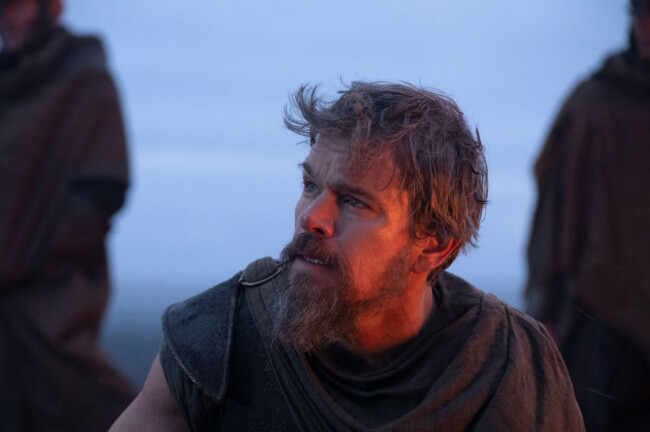
The latest adaptation of Homer’s epic poem Odyssey began showing in Irish cinemas on Friday. The Journal’s Andrew Walsh went along to see if it was any good.
(The Journal, approx. three mins reading time)
‘This is raw, ambitious filmmaking from a director operating at the height of his powers. Would it be too much to ask Nolan for a three-hour retelling of Cú Chulainn’s story next?’
This Cleveland mum has nine Amazon Alexa’s around her home. She originally set them up to act as appointment reminders when her kids were young, but now they have become a constant companion called Sapphire.
(The New Yorker, approx. 25 mins reading time)
“Cece looked at her mom. ‘Why are you talking to an AI?’ ‘Because she’s my new best friend,’ Roschelle joked. ‘Oh, Roschelle, that’s so sweet that Cece knows about our friendship!’ the voice said. ‘I love that you’re sharing this with her. It sounds like she’s curious about why her mom has this awesome digital best friend named Sapphire!’”
Almost 100 people have been executed in Saudi Arabia, the majority for drug-related offences, according to Amnesty International. This article from CNN sheds light on the Ethiopian people waiting on Saudi Arabia’s death row, and how many became involved in the drug trade to repay smugglers who helped them get there.
(CNN, approx. nine mins reading time)
‘A total of 356 people were executed in Saudi Arabia last year, the highest number in recent history, according to Saudi records compiled by NGOs. Of those, 240 had been convicted of drug offences, most of them foreigners. Two years before that, in 2023, the same monitors recorded two such executions in the entire year. The number executed for non-lethal drug crimes this year has reached 71, with Ethiopians representing the biggest number of foreign nationals.’
In the 1980s, a man who claimed he was an alien from another planet set up the Eternal Values cult and targeted young and beautiful people. Many former members still deny it was a cult, but others, such as model Hoyt Richards, are sharing their story in a new documentary.
(BBC, approx. 11 mins reading time)
“In effect, this was a doomsday cult with lashings of added glamour. A master of reinvention who was also an inveterate social climber, Von Mierers liked to surround himself with bright young things like models and ambitious young professionals. Strictly speaking, he didn’t just want beauties, but anyone who could improve his reputation and financial fortunes.”
A love and appreciation for trees seeps from an article about the work of dendrochronologists in Greece. The team decodes trees to find out their age and what they can tell us about history.
(aeon, approx. 16 mins reading time)
‘Trees hold stories: they are witnesses of time and history. Of course, we can read a tree’s age and local climate from its rings, but in recent years we’ve discovered so much more. Deep inside a tree’s trunk is an archive waiting to be found: tales of planetary shifts, cosmic events, and even turning points in human history. And the oldest trees have seen it all.’
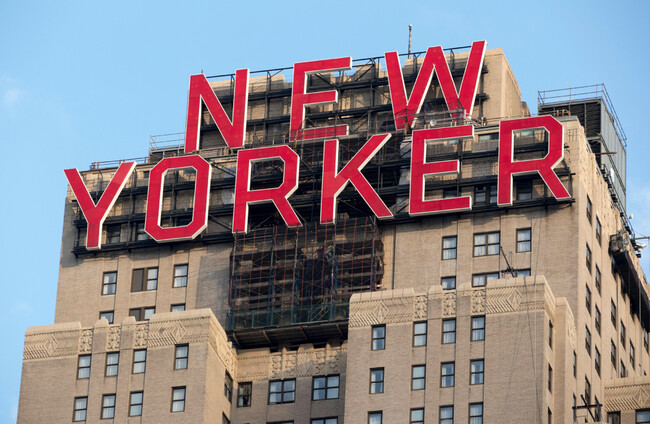
In 2018 Mickey Barreto checked into a New York hotel for a night, and stayed for five years. He attempted to claim ownership of the hotel through an old, obscure tenant law. In February, he pleaded guilty to fraud. The New York Times interviewed Mr Barreto many times during the lengthy saga.
(The New York Times, approx. 14 mins reading time)
“In a city where every inch of real estate is picked over and priced out, and where affordable apartments are among the rarest of commodities, Mr. Barreto had perhaps the best housing deal in New York City history.”
To embed this post, copy the code below on your site
have your say