Sign in. It’s quick, free and it’s up to you.
An account is an optional way to support the work we do. Find out more.
Sign in. It’s quick, free and it’s up to you.
An account is an optional way to support the work we do. Find out more.
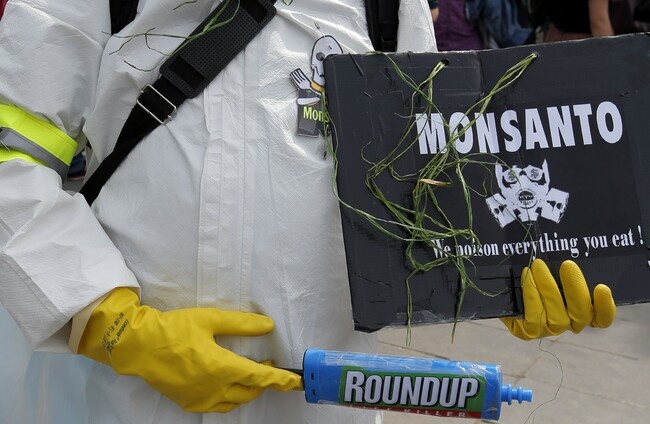
GERMAN CHEMICAL GIANT Bayer announced today a €58 billion deal to buy controversial US seeds and pesticides firm Monsanto, triggering immediate criticism from farmers and environmentalists.
After a months-long pursuit, Bayer said its US peer had accepted an improved offer of €113 per share for Monsanto in an all-cash transaction, avoiding the need to resort to a hostile takeover.
If completed, the deal would mark the largest-ever takeover by a German firm and would create one of the largest firms in the agribusiness sector.
“The combination with Monsanto represents the kind of revolutionary approach to agriculture that will be needed to sustainably feed the world,” Bayer chief executive Werner Baumann told investors in a conference call.
But investors’ reaction in the US, where Monsanto shares were 1.4% higher but remained more than €18 below the deal price, suggested deep market doubts that the deal can pass financial and antitrust hurdles.
And environmental groups geared up for a fight. In a nod to fierce opposition in Europe to Monsanto’s use of genetically modified crops and its potent herbicide Roundup, Friends of the Earth labelled the tie-up a “marriage made in hell”.
“This mega corporation will be doing its best to force damaging pesticides and GM seeds into our countryside,” campaigner Adrian Bebb said in a statement.
The deal also spurred a hostile reaction from the National Farmers Union in the US, which said the Bayer deal, along with other pending agricultural mergers, “are being made to benefit the corporate boardrooms at the expense of family farmers, ranchers, consumers and rural economies.”
The group said it looked forward to making its case at a congressional hearing next week to be chaired by Senator Charles Grassley, who has expressed skepticism about the current wave of consolidation.
The deal is expected to be completed by the end of 2017, Bayer said, though it still requires shareholder and regulatory approval.
Baumann said that he had already “received encouraging feedback” from regulatory agencies.
“There is very little overlap” between the two companies that might concern regulators, Monsanto CEO Hugh Grant told investors. “I think it’s a very clean deal.”
But the Bayer-Monsanto tie-up comes in the wake of two other proposed mega-mergers involving US companies DuPont and Dow Chemical, and Swiss company Syngenta and ChemChina.

To embed this post, copy the code below on your site









have your say