Sign in. It’s quick, free and it’s up to you.
An account is an optional way to support the work we do. Find out more.
Sign in. It’s quick, free and it’s up to you.
An account is an optional way to support the work we do. Find out more.
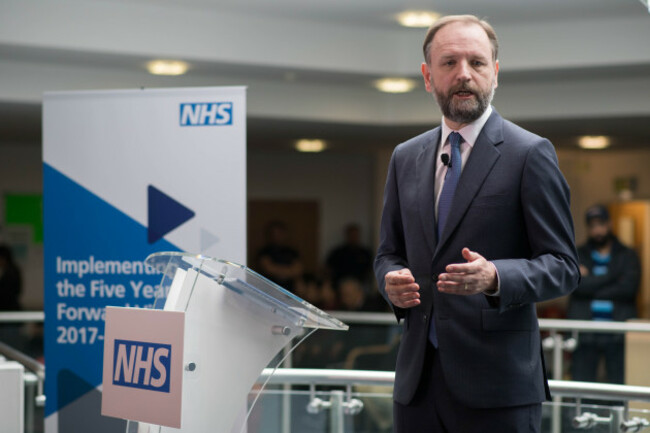
THE HEAD OF the NHS in England has said that every hospital in England has been asked to “reach out” to EU nationals among its staff about the measures they may need to take to stay in the country after Brexit.
Speaking on BBC One’s The Andrew Marr show, NHS England chief executive Simon Stevens said it is now preparing for a “no deal” Brexit, which is looking increasingly like a possibility as internal conflict rages in Theresa May’s government.
As negotiations continue to drag on with no clarity on a number of issues, including the Irish border, Stevens said the NHS has needed to plan for an eventuality where the UK has no deals with the EU after it leaves the bloc.
“There is now significant planning going on around all the scenarios," says @NHSEngland Boss Simon Stevens, including a no-deal scenario to ensure that medical supplies are not disrupted #marr pic.twitter.com/Io5yPctoX8
— The Andrew Marr Show (@MarrShow) July 1, 2018
He said: “There is immediate planning… around securing medical supply and equipment under different scenario. That will crystallise when it’s made clear later in the autumn what the UK’s position will be.
There is now significant planning going on around all the scenarios. Nobody is in any doubt whatsoever that top of the list in ensuring continued supplies for all things we need in this country, right at the top of the list has got to be those medical supplies.
Stevens added that he wanted clarity for EU nationals employed by the NHS. According to a report in February of this year, 62,000 NHS staff in England are EU nationals from outside of Britain, which is 5.6% of the overall number.
A large number – 13,016 - are Irish.
He said: “Every hospital has now been written to, asking them to reach out to staff from the rest of the EU, providing that the home secretary has set a clear process by which people can apply to stay in this country which we hope they will do.”
‘Courage and leadership’
Meanwhile, just days after backbench lawmakers told Prime Minister Theresa May that its “departure must be absolute”, Business Secretary Greg Clark refused to rule out indefinitely extending a transition period out of the EU.
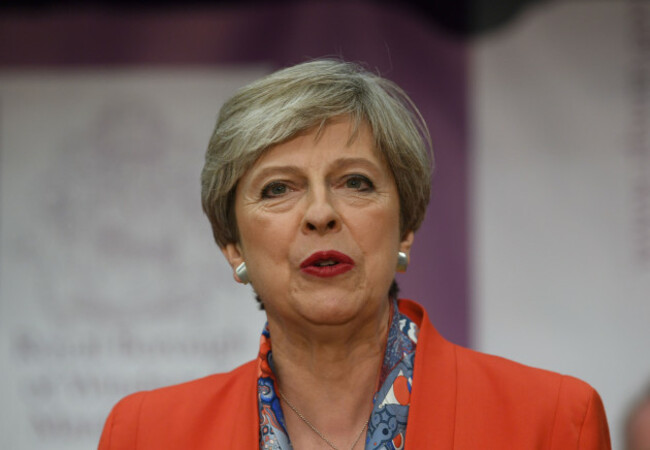
Under the current timetable the implementation period is set to end in December 2020, after Britain leaves the bloc next March.
“It seems to me that any reasonable person would have to be guided by the facts and the evidence,” Clark told Sky News.
“There are things that would need to (be) put in place, computer systems for example, posts at the border,” he added.
Andrea Jenkyns, who quit a junior government role to campaign on Brexit, delivered a letter on Friday to May signed by more than 30 Tories insisting the opposite.
Calling on her to show “courage and leadership”, the group said: “We must not remain entangled with the EU’s institutions if this restricts our ability to exercise our sovereignty as an independent nation.”
The British cabinet is also deeply divided on Britain’s future relationship with the bloc.
Environment Secretary Michael Gove last week physically ripped up proposals for possible post-Brexit customs arrangements with the EU favoured by May, according to reports yesterday.
Gove, a leading proponent of Brexit, was “livid” after concluding his concerns about the plans had been downplayed, the reports said.
Key meeting
May will gather together her warring ministers for a key Brexit meeting on Friday to thrash out a unified stance ahead of the release of a formal policy proposal the following week.
The cabinet, which has been dogged by public discord on various aspects of Brexit, is in deadlock over two options for customs arrangements after the 29 March 2019 withdrawal date.
A “maximum facilitation” model proposes using trusted-trader arrangements and technology to avoid border checks, while a “customs partnership” system would see Britain collect tariffs on behalf of the EU for goods heading to the continent.
Two groups of cabinet members have been looking at each of the plans.
Gove was reportedly among the ministers examining the partnership model, largely opposed by Brexiteers, and was reacting to a summary report of their supposed position on it prepared by civil servants.
Downing Street declined to comment.
With reporting from AFP

To embed this post, copy the code below on your site













have your say