Sign in. It’s quick, free and it’s up to you.
An account is an optional way to support the work we do. Find out more.
Sign in. It’s quick, free and it’s up to you.
An account is an optional way to support the work we do. Find out more.
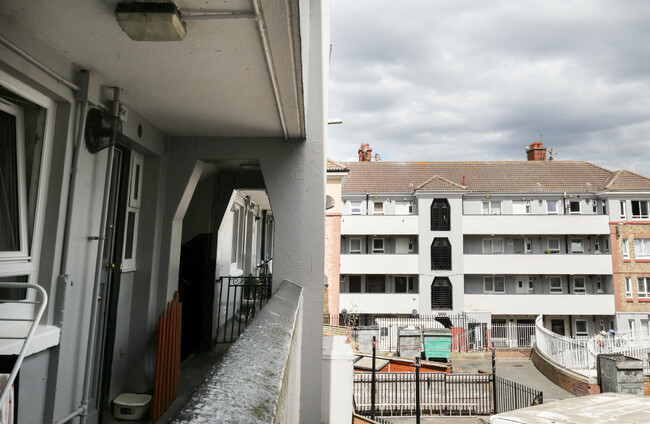
ONE OF THE residents of Oliver Bond House in Dublin has said the government’s new plan for the complex risks repeating the mistakes of the past by “cramming” families together.
Earlier this week, the Department of Housing withdrew funding for a major regeneration project that was intended to modernise the apartments and address longstanding health concerns affecting people living there.
The flats, built in 1936 in the Liberties, house around 1,200 people across nearly 400 flats.
For years, residents have been dealing with persistent issues relating to the quality and safety of their homes, including damp and mould.
Under the now scrapped plan, the modernising works were to focus on three of the 14 blocks at Oliver Bond House.
The department said that while it supported large-scale works to bring the ageing homes up to standard, it stressed that it could not back work that would result in a loss of 28 homes.
Housing minister James Browne is to meet with residents of Oliver Bond flats next week to discuss the next steps for the homes in light of the surprise U-turn on their development this week.
The future of Oliver Bond now centres on opposing visions for the complex. The now scrapped plan would have seen the number of flats reduced in one section from 74 to 46.
A local regeneration group, backed by several local politicians, has argued that the reduction could be made up for by increasing the number of bedrooms and living space in the 47 flats that would remain after the conversion process. Under this proposal, it would have seen three current units converted into two larger flats.
But residents fear that the department’s new plan will see a greater focus on one-bedroom flats.
Gayle Cullen Doyle, chairwoman of the Oliver Bond Residents Group, told The Journal that many in the local community are furious with the government’s move this week.
In a letter sent to Dublin City Council by the department this week, seen by The Journal, it outlines that the new plan should see some two-bedroom flats converted to one-bedroom spaces.
Cullen Doyle said this would risk “chaos” for the next generation in Oliver Bond House, adding that people’s living situations could change over the years to come.
This was the mistake made 30 years ago in the regeneration then. I was one of the people that grew up then and I had to share a room with my two older brothers, so I slept in a chair for most of my life because I didn’t want to share with two boys.
Cullen Doyle added that it felt like the community was “taking the brunt” for the wider housing crisis.
On the minister’s planned meeting with residents next Wednesday at the Department of Housing’s offices, Cullen Doyle said that the group “don’t want a publicity stunt” and want a positive outcome. “But it shouldn’t have come to this,” she added.
In a response to The Journal, the Department of Housing said it is working with the council on an improved proposal for retrofitting the flats at Oliver Bond House that “will not result in significant loss of housing” and will result in all homes being upgraded to modern standards.
“The minister has visited Oliver Bond House previously and is acutely aware of the need for work to be carried out. A meeting is being arranged for next week, with the Oliver Bond House Regeneration Forum to discuss the current status of the project,” the department said.
The three blocks proposed to be regenerated would see 74 flats turned into 46 as some smaller flats would be consolidated into larger apartments. The department said it would represent a 38% reduction of homes that are currently all housing tenants.
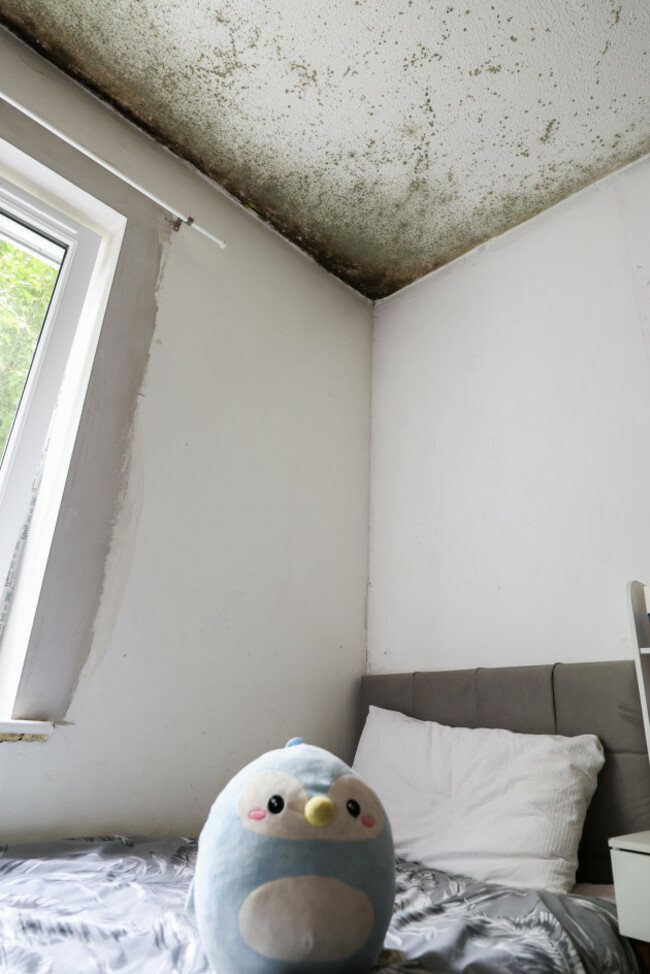
“The cost of such reductions does not represent value for money and would leave 28 households without a home,” a department spokesperson said.
The council is currently working on a proposal to build new homes on the adjoining Bridgefoot Street site, the spokesperson said.
“This will afford the council the opportunity to provide the needed larger three-bedroom homes to accommodate overcrowding issues at Oliver Bond House.”
The decision of the Department of Housing to reverse the plan to redevelop the Oliver Bond flats has left some housing experts scratching their heads.
Lorcan Sirr, planning and housing lecturer at Technological University Dublin, called the government’s decision “bizarre” in light of recent reports that up to 40,000 units could be built nationwide this year.
“The idea of the department refusing this on the basis that they will lose out on 28 units, when there are reports they may build up to 40,000 this year, is bizarre,” Sirr told The Journal.
“It doesn’t make sense in the context of the government’s targets for this year. The numbers are too small.”
Sirr added that the U-turn “begs the question on whether there is another plan at play behind the scenes” in terms of a decision for the future of the complex.
A 2024 study found that residents of the Oliver Bond flats – also known as Oliver Bond House – in Dublin city are 1.9 times more likely to have asthma than other patients in the same GP practice as them.
However, Labour councillor Darragh Moriarty told The Journal that this week’s decision has its roots in discussions between department and Dublin City Council officials concerning the number of bedroom spaces and units.
Moriarty, who has been on the Oliver Bond Regeneration Forum since it was first established five years ago, said there has always been an understanding between both the council and the department that there would have to be a reduction in the number of homes in the complex to make it fit for modern standards.
He claimed that it seems to be about “prioritising the optics of unit numbers over quality” of the homes.
“The decision by the minister and his officials to pull funding from Phase 1 reeks of just incredible shortsightedness,” Moriarty said.

To embed this post, copy the code below on your site













have your say