Sign in. It’s quick, free and it’s up to you.
An account is an optional way to support the work we do. Find out more.
Sign in. It’s quick, free and it’s up to you.
An account is an optional way to support the work we do. Find out more.
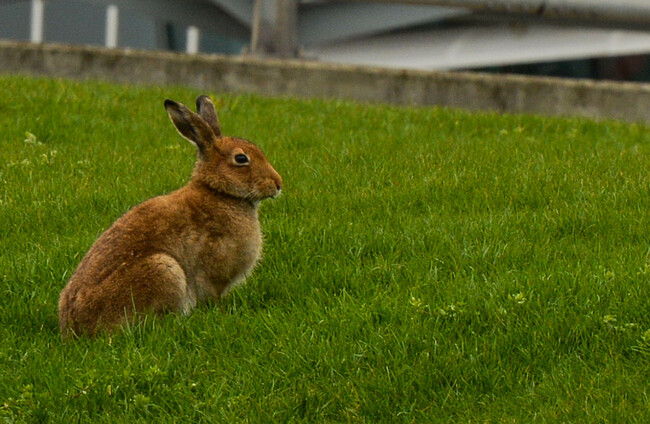
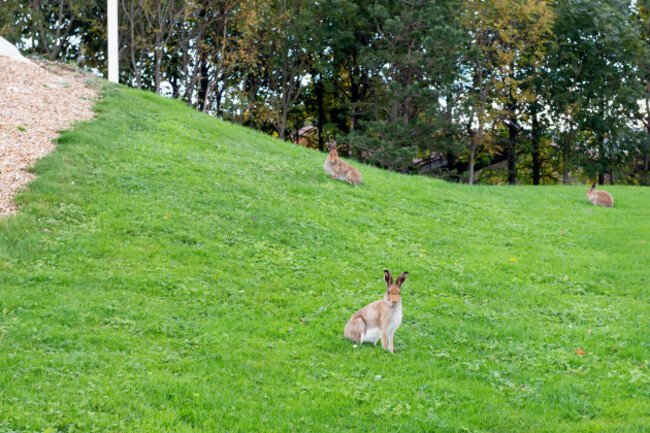
IN THE PAST three years, over 40 hares have been killed by aircraft at Dublin Airport, prompting DAA to conduct catch-and-release operations to relocate hares to Co Wicklow and Co Kildare.
There have also been 278 bird strikes at Dublin Airport in the same time frame, despite management spending around €600,000 on ‘scaring’ measures designed to keep flocks away from the runways.
Dublin Airport is licensed to capture hares using a consultant approved by the National Parks and Wildlife Service. A total of 12 were captured and subsequently released in Wicklow and Kildare during the first two months of this year.
Each catch-and-release operation costs around €1,500, according to documents released by DAA.
Bird strikes are potentially lethal events that can cause significant damage to planes and can result in jet engines losing power. Affected aircraft often need to abort their takeoff or landing attempts.
Documents released by DAA under Access to Information on the Environment (AIE) regulations show that 61 confirmed bird strikes were recorded in 2022, and this number more than doubled to 123 the following year.
In 2024, a total of 85 bird strikes were confirmed at Dublin Airport, and another eight occurred during the first two months of this year. An additional 14 unconfirmed bird strikes have been recorded since 2022.
Trained professionals are employed at the airport to scare birds in a bid to reduce the number of strikes, and around €200,000 is spent on bird-scaring cartridges alone each year, according to DAA.
These explode in mid-air after they are fired, creating a loud noise that scares birds in the vicinity of the airport. A ‘long-grass’ policy is also used to make the airfield less attractive to certain species of birds.
Last year, 179 passengers were killed when a Jeju Air flight crashed in South Korea following a suspected bird strike, while the landing of a US Airways plane on the Hudson River in 2009 following a collision with a flock of geese was the subject of the Hollywood blockbuster, Sully.
Just last month, an Aer Lingus flight bound for New York was forced to return to Dublin Airport after it hit a flock of pigeons during its ascent. The pilots reported experiencing vibrations in the aircraft’s right engine after the strike.
A spokesman for the airport authority said the safety of passengers is a “key priority”.
“Like all airports around the world, ensuring safety requires us to deal with and actively manage wildlife in the vicinity of our airfield, thereby minimising any risk to aviation,” he added.
To embed this post, copy the code below on your site






have your say