Sign in. It’s quick, free and it’s up to you.
An account is an optional way to support the work we do. Find out more.
Sign in. It’s quick, free and it’s up to you.
An account is an optional way to support the work we do. Find out more.
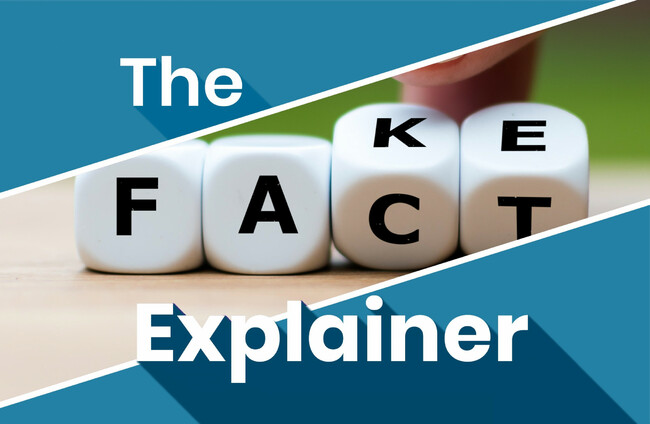
PROPAGANDA AND FALSE information are not new concepts, but since 2016, the words ‘misinformation’ and ‘disinformation’ have taken on an even more important meaning since 2016.
That year, the election of Donald Trump was just the start of a period where social media sites had to reckon with the fact their sites were used to share fake, misleading and manipulative information.
The problem hasn’t gone away: you probably remember those WhatsApp messages doing the rounds during the pandemic, or you might have seen false information about the invasion of Ukraine being debunked recently.
One of the ways of fighting this is through factchecking and debunking, which are a big part of The Journal’s work.
The Good Information Project has been looking at the fight against misinfo and disinfo, and this week on the podcast we’re taking a look at how factchecking and how it works.
Speaking to presenter Aoife Barry are the Deputy Editor of The Journal, Christine Bohan, who heads up our factchecking project, and Ciaran O’Connor, an analyst at the Institute of Strategic Dialogue.
Listen here for more:
https://soundcloud.com/the-explainer-podcast/in-the-age-of-disinformation-and-misinformation-how-does-factchecking-work/s-VnOrcmCNd7Z?utm_source=clipboard&utm_medium=text&utm_campaign=social_sharing
This episode was put together by Aoife Barry, Nicky Ryan, and Michelle Hennessy.

To embed this post, copy the code below on your site


















have your say