Sign in. It’s quick, free and it’s up to you.
An account is an optional way to support the work we do. Find out more.
Sign in. It’s quick, free and it’s up to you.
An account is an optional way to support the work we do. Find out more.
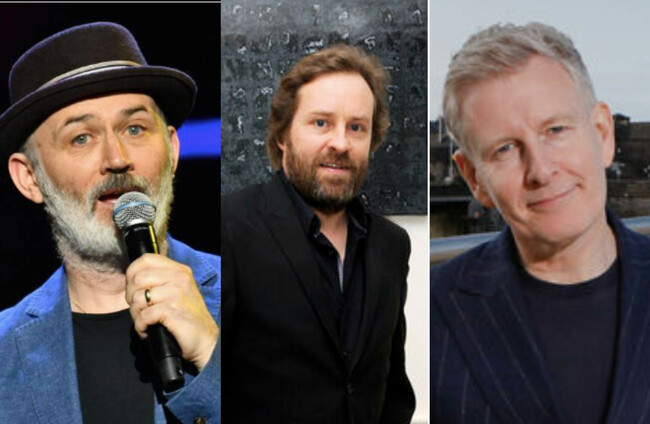

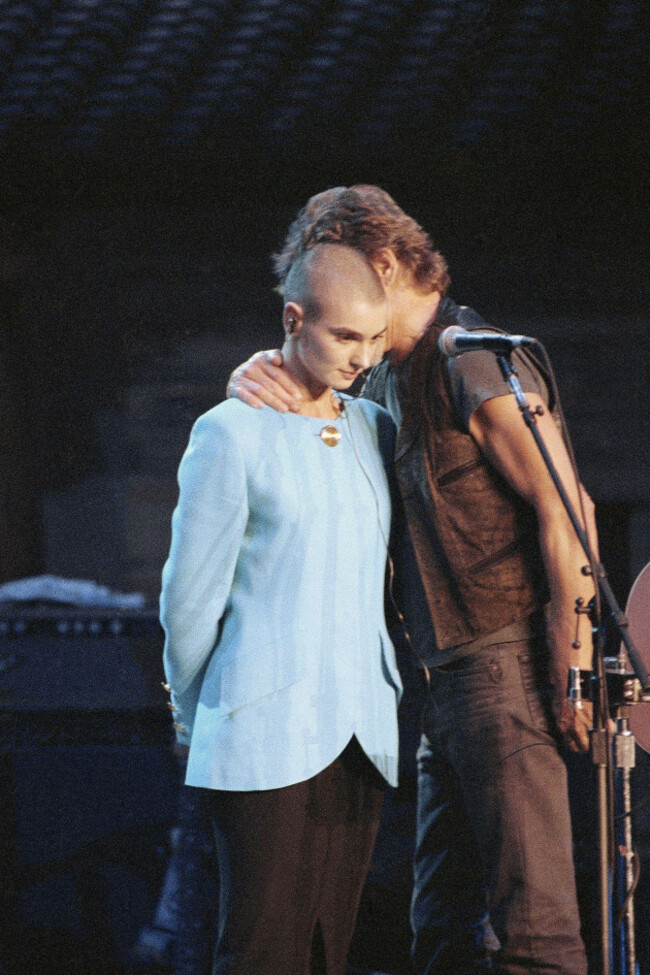
WHEN THE NEWS arrived on Tuesday that a number of Irish entertainers had been invited to an audience with the Pope, my initial thoughts moved to the iconic image of another Irish entertainer. One who took a rather more defiant approach to a different Pope, on Saturday Night Live back in 1992, when she tore up his likeness on live TV.
How far we have travelled, from a time when our artists had the courage to stand up to Rome rather than become a part of the fawning attitude that surrounds this papacy.
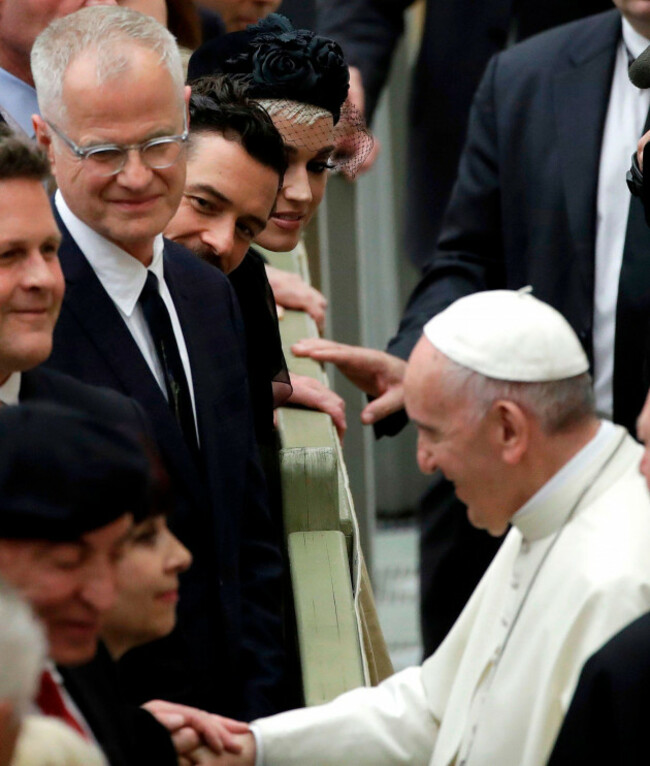
The theatre of the Vatican — the costumes, the rarefied and secretive world of the upper echelons of the Catholic Church, the overwhelming art and architecture — tends to make celebrities and public figures obsequious. From Leonardo DiCaprio to George Clooney, they all line up to bow at the altar of Catholic dominion. When Katy Perry and Ivanka Trump had audiences, they even wore black veils out of respect.
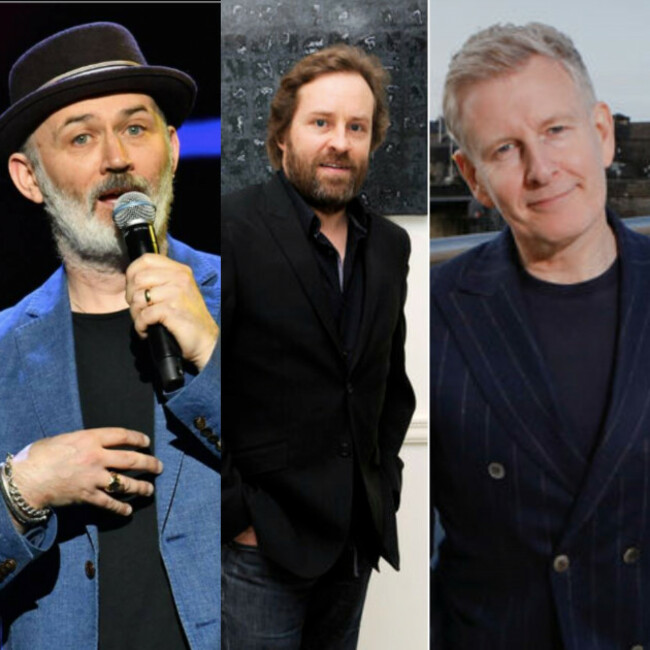
This Friday, Tommy Tiernan, Ardal O’Hanlon and Patrick Kielty will join many other figures from the world of comedy, such as Chris Rock and Jimmy Fallon, for a special audience with the Pope that a Vatican spokesman says will “aim to establish a link between the Catholic Church and comic artists.”
It seems grossly offensive, at best, that an organisation which presided over and aided in the cover up of systemic child abuse could have the audacity to suggest it is now time for some laughs.
Why would a comedian want to establish a ‘link’ with an organisation which they have traditionally satirised? Comedy has always played a hugely significant role in holding power to account, of giving voice to the anguish of the nation.
But beyond this, it seems baffling that a group of Irish comedians would want to lend succour and validation to an organisation which is overtly, and sometimes proudly, misogynistic and homophobic. Would we give them a free pass if they attended an event hosted by a private company which didn’t allow female employees or didn’t authenticate same sex employees who happened to be married?
I doubt it very much. But we are happy to give the Church a pass because we continue to willingly give them a special status, where the same rules don’t seem to apply.
Sinéad O’Connor refused to bow at the altar of papal infallibility, after her bold and timely intervention on American television in the early nineties. She paid for her actions, getting blacklisted for a period afterwards.
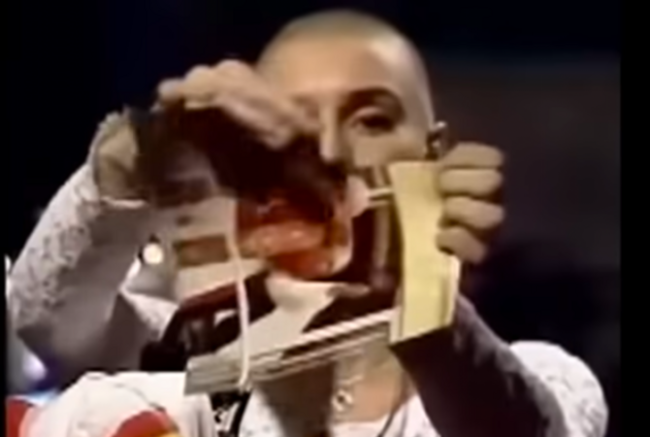
“I wasn’t sorry, I didn’t regret it. It was the proudest thing I’ve ever done as an artist,” explained O’Connor in the documentary film Nothing Compares.” They [critics] killed me, but I didn’t die. They tried to bury me, but they didn’t realise I was a seed.”
O’Connor isn’t the only Irish entertainer to make a stand.
In 2018, during the current Pope’s official visit to Ireland, the singer-songwriter Declan O’Rourke was invited to perform in the Phoenix Park event in front of Francis. On RTÉ’s Liveline programme, he discussed the moral dilemma he faced.
“I’m not a religious person, no disrespect to anyone else’s beliefs. But, you know, I feel the Catholic Church is responsible for so much suffering in this country.”
Ultimately, O’Rourke declined the invitation and took a courageous and important stand.
The presence of the three Irish comedians at the Apostolic Palace this Friday of course doesn’t equate to their support of the Catholic Church or its practices. They may sincerely feel that having an opportunity to meet with the Pope could lead to constructive progress on social issues. They may use the meeting to express concerns or criticisms. Or they may be committed Catholics and this will be the Best Day Out Ever.
These are valid and understandable positions.
However, what I do know is this: These three men are public figures in Ireland and are very popular. They have an opportunity to make a clear stand in the face of an invitation to an event which could be described as comedy washing. For the Pope to be photographed in the company of the kings and queens of comedy, such as Whoopi Goldberg and Stephen Colbert, helps suppress the damage done by this organisation. It validates its practices and helps the Catholic Church present itself as pardoned, forgiven, clean.
This jars violently with the history of clerical abuse. Do we all just put on a smile and agree that all is okay now? Or do we require our public figures to take a moral stance and demand that more atonement and reparations are required before we start adding a laugh track?
Comedians should never get too close to power. This is why the annual White House Correspondents’ Dinner in Washington, DC is such an uncomfortable affair under a Democratic administration. It makes viewers queasy to see comedians sucking up to Obama or Biden, because the role of comedy is to hold power to account, not to become its lapdog.
“An audience with the Pope” is what will happen on Friday, an expression of astonishing arrogance. It suggests that whoever is in his infallible presence is the lucky one. But in this case, the Pope is the lucky one. Because once again, the Church has found a way to drive its own narrative and convince the rest of us that what they are doing is a “step in the right direction.”
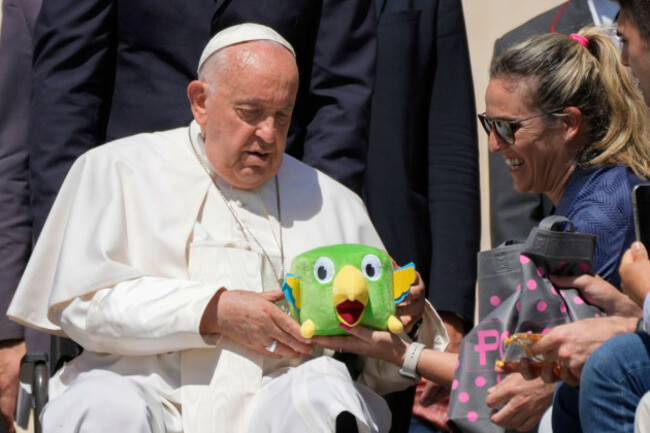
People will say Francis is the least misogynistic and least homophobic Pope in history. This is to celebrate the smallest of victories, the barest concessions imaginable. This is the least he can do, when the road ahead is so long.
The bizarre theatre that takes place every time a celebrity rocks up to the Vatican for an audience with the Pope demands to be satirised. The fawning over the ancient traditions, the arrival of the Big Man in his white cassock, the obligatory photograph.
But who will satirise it all when the comedians are too distracted by the show?
Simon Tierney is a journalist and writer.
To embed this post, copy the code below on your site






have your say