Sign in. It’s quick, free and it’s up to you.
An account is an optional way to support the work we do. Find out more.
Sign in. It’s quick, free and it’s up to you.
An account is an optional way to support the work we do. Find out more.
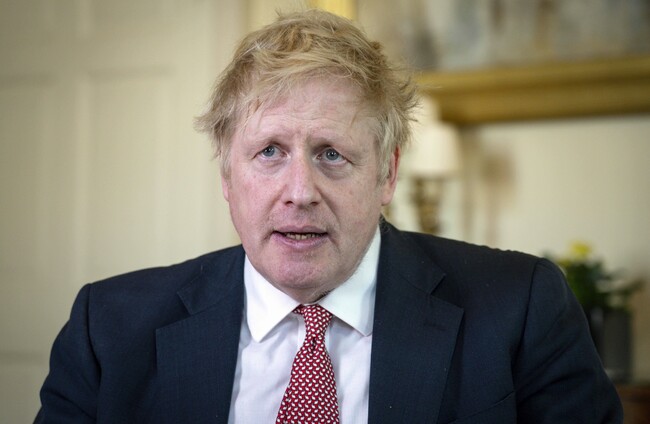

“I THINK ALL this talk of world war three and bubonic plague is demented, frankly.”
Those were the words of Boris Johnson in a television interview during the Leave campaign, dismissing the consequences of Brexit as sensationalist fear-mongering.
Incredibly, when Britain finally left the EU on 31 January, a plague is exactly what followed. As things stand, a world war may not be entirely unlikely either – at least it would give us an excuse to get out of the house. While Covid-19 cannot be blamed on English nationalism, the messy response of the movement’s leadership has turned tragedy to farce.
Bureaucratic bungling
On Tuesday, a senior foreign official claimed that the UK’s failure to take part in an EU ventilator procurement scheme in March was a ‘political decision’, contradicting the previous claim that the government had simply missed an email (he later retracted the remarks). The fact that officials could have deliberately put ideology over saving lives is outrageous.
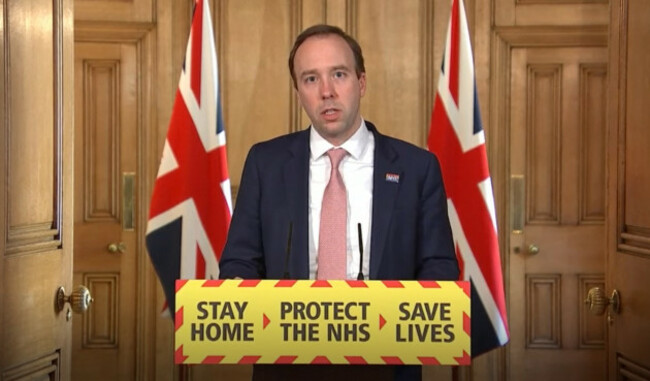
When challenged, health secretary Matt Hancock claimed to have since joined the scheme, a claim immediately rebutted by a European Commission spokesperson.
Hancock’s party’s Eurosceptic agenda is now being exposed for what it is. Brexiteers probably view the ventilator programme as just another galling affront to British sovereignty, like freedom of movement or human rights.
Life in the Brexit dust
Meanwhile the Germans – whose well-financed healthcare system has been universally praised for its ICU capacity and widespread testing – have even had the cheek to fly in sick patients from overwhelmed neighbours, another flagrant lack of respect for national boundaries. If given the chance, these dastardly Krauts would probably try to heal every sick man, woman and child in Britain!
For a nation determined to isolate itself from Europe, the UK’s initial reluctance to apply the same social distancing from one another was remarkable. As their EU counterparts went into lockdown in early March, Johnson and his team dithered and spread the virus amongst themselves, his cabinet becoming an orgy of pestilence.
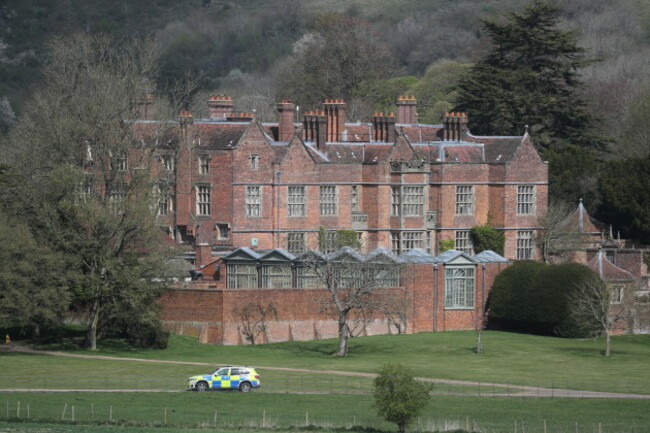
The Tory leader is now recovering from his bout of coronavirus at Chequers, thanks in no small part to the immigrant nurses who provided his care. Intolerance of foreign nationals is a luxury the UK can no longer afford, though it’s probably being stockpiled somewhere by the same people who panic-bought toilet paper.
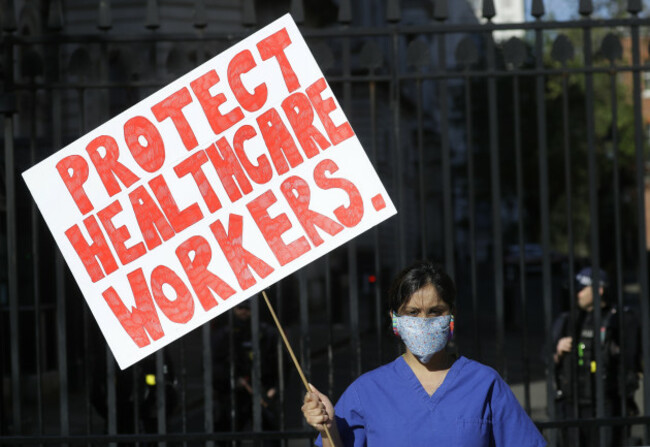
Meanwhile, a decade of underfunding of social services is reaching its logical, painful outcome. As frontline NHS staff beg for sufficient PPE gear and access to testing, the government instead led the nation in the ‘Clap for the NHS’ demonstrations, applauding hysterically like demented, xenophobic seals. As well-intentioned as the gestures have been, nurses and doctors cannot protect themselves from the virus with long-overdue goodwill.
Not all civil servants have faced delays with testing and treatment, however. Prince Charles was looked after immediately, and can now resume his essential duties: attending luncheons, waving, and giving speeches. The Queen has done her bit too with a public address, though it may have been more useful to hear from Prince Andrew – socially isolated for months. His tips could be invaluable.
The game of politics
Against this chaotic backdrop, it would have been easy to miss the election of Labour’s new leader, Keir Starmer. A centrist who blends legit working-class credentials with a reassuring professional pedigree, Starmer could have been created in the same laboratory that made Tony Blair.
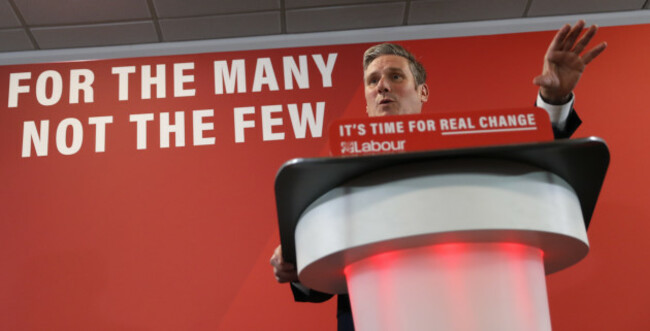
Smoulderingly boring, his dearth of charisma is intoxicatingly refreshing compared with the extremes to which we have become accustomed. All he needs to do is give the government enough rope to hang itself, and he’ll have a decent chance of taking power, undoing the Tory’s radical spending agenda, and finally implementing some proper conservative policies.
The prime minister has rivals within his own cabinet too of course, though the supply of credible contenders is vanishingly thin. His chosen stand-in Dominic Raab has the shaky confidence of a substitute teacher in an inner-city school.
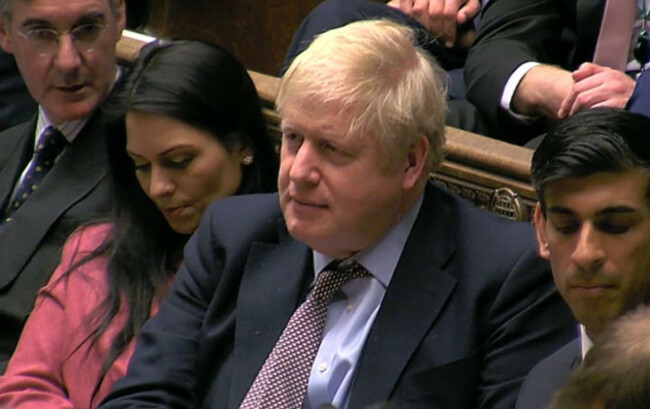
Rishi Sunak has won fans with his Oprah Winfrey style of fiscal policy (Everyone looks under their seats! You get a subsidy! And YOU get a subsidy!) but this will change if and when he rolls out an austerity budget to pay for it.
Priti Patel suggested Britain threaten Ireland with food shortages during the Brexit negotiations and has been accused of bullying by her staff – she might have less likeability than the Wuhan bat. It’s a testament to the lack of talent on the Tory front benches that even a premier in intensive care needn’t have worried about being replaced.
For now, then, Johnson’s position remains secure. Elevated to the status of national martyr by the tabloid press, the fetishisation of his recovery took precedence over reflection on why the UK’s mortality rate has gradually outpaced that of neighbours like Ireland.
The Mirror, for example, thought it newsworthy that the bed-bound premier watched the movie Home Alone – the harrowing tale of wealthy parents abandoning their son without putting him into a boarding school first.
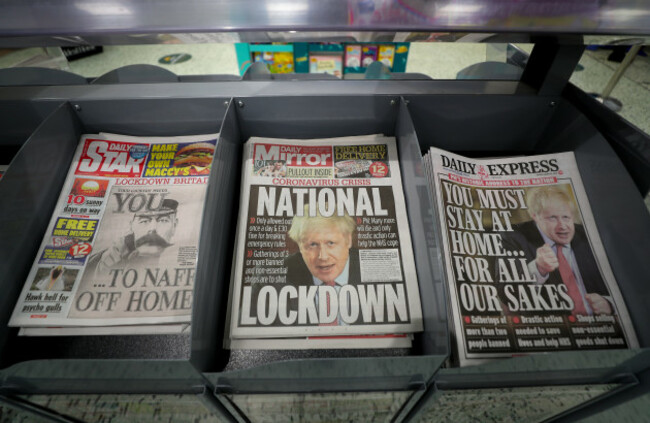
As Johnson continues his rehabilitation in Chequers, it is personnel like Raab who will take the brunt of criticism for the bungled pandemic response that has brought the nation to its knees. Nevertheless, the reality is dropping on the public like a guillotine, and the reckoning Johnson is due has surely only been postponed.
A frat boy masquerading as a public servant, I would argue that his leadership has been a calamity for the country. While his health is recovering, his daft politics of delusion must not.
Peter Flanagan is an Irish comedian and writer. You can find him on Twitter at @peterflanagan.
To embed this post, copy the code below on your site











have your say