Take part in our latest brand partnership survey

We need your help now

Support from readers like you keeps The Journal open.

You are visiting us because we have something you value. Independent, unbiased news that tells the truth. Advertising revenue goes some way to support our mission, but this year it has not been enough.

If you've seen value in our reporting, please contribute what you can, so we can continue to produce accurate and meaningful journalism. For everyone who needs it.

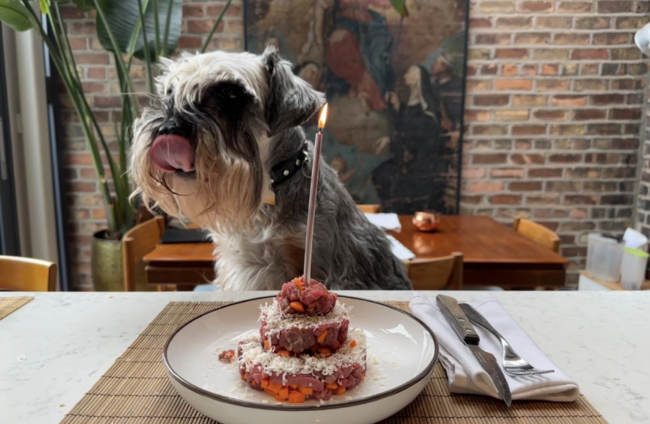
Fred – died 18 July. Partial to treats, he gently wove himself into manys a heart. Garvan Gallagher

When they leave us Understanding grief after the loss of a pet

The grief at the loss of a beloved pet can be difficult and complex, but it’s important to acknowledge it, writes dog behaviourist Suzi Walsh.

LOSING A PET can be devastating, and often people will tell you it can be just as heartbreaking as losing any other member of the family. Many pet owners form deep, enduring bonds with their canine companions. Yet when a cherished pet dies, the grief that follows is frequently misunderstood or even trivialised by society.

Crucially, recognising the significance of pet grief does not diminish the grief we feel for human loved ones; it simply affirms that love and loss transcend species. Grief is a deeply personal and individual emotion, and no one has the right to tell you what or whom you are allowed to mourn.

Pets are more than “just animals” they are companions, confidants and family.

Psychologically and emotionally, humans have a remarkable capacity to form strong attachments to their pets. Pets share our homes and daily routines. They greet us with wagging tails after a long day, sit silently beside us in times of sadness, and offer a kind of unconditional, judgment-free presence that few human relationships can match.

They also make us healthier. Research has consistently shown that pet ownership is linked to better physical and mental health outcomes. A 2017 study published in Scientific Reports found that pet owners had a significantly reduced risk of cardiovascular disease and all-cause mortality. Dogs help regulate our stress response: studies have demonstrated they can lower heart rate, reduce blood pressure, and ease symptoms of depression and anxiety.

WhatsApp Image 2025-07-24 at 16.04.15 Fred – died 18 July. Partial to treats, he gently wove himself into manys a heart. Garvan Gallagher Garvan Gallagher

Given this, it’s no surprise that losing a beloved pet can feel shattering. A 2002 study published in The Journal of Mental Health Counselling found that grief following the death of a pet often mirrors and can equal the emotional impact of losing a close human relative or friend.

Those who haven’t experienced a close bond with a pet may quietly (or not-so-quietly) question: “Why all the fuss? It was just a pet.” But neuroscience shows that our brains don’t make a sharp distinction between species when it comes to attachment. The neurobiological systems that govern bonding and grief are activated by love, not species. Love is love.

Euthanasia, sudden loss and the guilt complex

Many owners are faced with the agonising decision of euthanasia when their pet is suffering from an incurable illness, pain, or declining quality of life. Choosing to end a pet’s life out of mercy is often the kindest and most responsible act of love, but that does not make it easier.

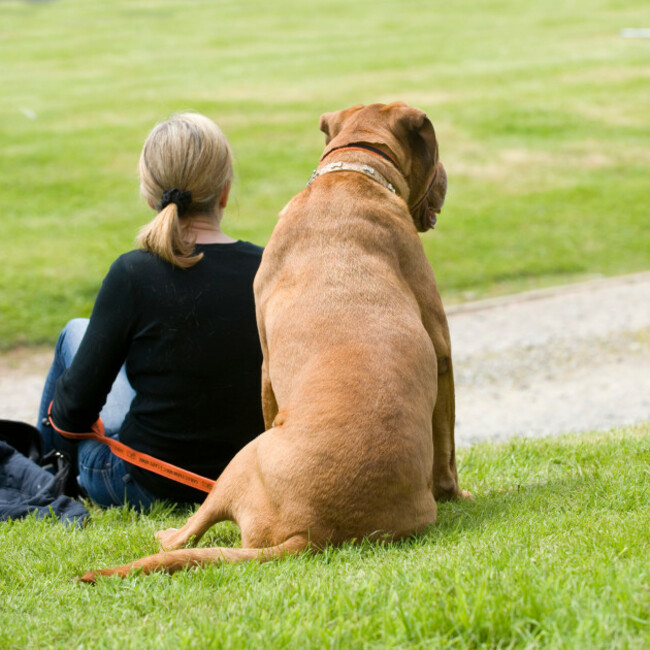
woman-and-her-dog-sat-watching Alamy Stock Photo Alamy Stock Photo

Even when we know it was the humane choice, it’s natural to be haunted by doubt and grief. “Did I do it too soon?” “Did they know?” “Did I have the right to decide this?” These are questions that surface often, even in the most compassionate endings.

Interestingly, research published in 2024 in Frontiers in Veterinary Science examined the experiences of over 1,200 bereaved pet owners and found that those whose pets were euthanised reported lower levels of guilt, on average, than those whose pets died suddenly or naturally. The authors suggest that being able to prevent prolonged suffering may bring comfort and a sense of control.

Conversely, when a pet dies suddenly, whether from an accident or an acute illness, the grief may be marked by trauma and shock. Owners often describe an unbearable sense of unfinishedness: no chance to prepare, no proper goodbye. Research from the Journal of Pet Loss and Bereavement (2020) found that sudden and unexpected losses were more likely to result in complicated grief, with higher levels of anxiety and feelings of helplessness.

lonesome-dog-owner-walking-along-the-coast-with-unleashed-dog-on-sandy-beach-silhouetted-at-sunset-on-a-cold-evening-in-winter Alamy Stock Photo Alamy Stock Photo

If your pet’s death was sudden, remind yourself that you gave them a wonderful life, even if their ending was beyond your control. In both cases, seeking support can help immensely in processing the complex emotions.

Different cultures, similar heartache

In some cultures, pets are honoured with funerals and rituals much like those for humans. Here, across the world, people have developed meaningful rituals to honour the loss of a beloved pet.

In Japan, Buddhist beliefs hold that animals have souls, and as a result, the death of a pet is often treated with the same reverence as the passing of a human family member. Pet funerals are commonly held at temples or shrines. In Mexico, the annual Día de los Muertos (Day of the Dead) extends remembrance to pets as well as people.

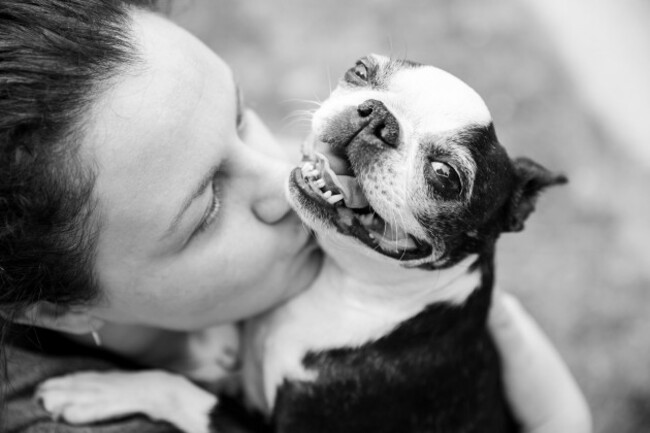
closeup-of-a-female-dog-owner-kisses-her-boston-terrier-on-the-neck Alamy Stock Photo Alamy Stock Photo

During this tradition, families build colourful altars to honour loved ones who have passed, and many include their cherished pets alongside human relatives. Pet cemeteries have existed for over a century with some dating back to the late 1800s and a cross-cultural study comparing Japanese, Polish and American pet owners found striking similarities: many bring flowers or toys to pet graves, light candles or incense, and express hope or belief in a spiritual reunion with their pets someday.

Grieving a pet is not a niche experience or a private eccentricity. It is a profoundly human expression of love and loss.

Coping with the loss of a pet

When you are grieving the loss of a pet, it can feel like your world has been turned upside down. There is no magic fix for the pain, grief has to be lived through. However, there are several strategies that may ease the pain and support you as you mourn your beloved pet:

  • Allow yourself to grieve: First and foremost, give yourself permission to grieve fully. Your pet was part of your life. It’s natural to feel empty, sad or angry. Don’t tell yourself you’re “being silly” or “overreacting.” If you need to cry, cry; if you feel anger or guilt, acknowledge it.
  • Seek understanding support: Try to surround yourself with people who “get it.” Not everyone will understand pet grief, and that’s unfortunate, but many do (remember, lots of others have loved and lost pets).
  • Maintain self-care and routine: Grief can be physically and mentally exhausting. You might find it hard to eat, sleep, or focus on daily tasks at first. Try to take care of your basic needs even if you don’t feel like it. Don’t pressure yourself to feel better right away or judge yourself for still being sad. Healing takes time, and there is no fixed timeline for grieving a friend.
  • Celebrate your pet’s life: Finding a meaningful way to memorialise your pet can be profoundly healing. You might consider creating a small memorial or tribute to your pet. Some ideas include: painting a tree or rose bush in your pet’s honour, or even writing a goodbye letter to your pet expressing what they meant to you.
  • Cope with triggers gradually: It’s normal for small everyday moments to trigger a surge of grief, like driving by the park where you always walked your dog, or seeing their empty bed or leash at home. Identify these grief triggers and give yourself permission to handle them at your own pace. You might put away the dog’s toys for now if seeing them is too painful, and bring them out later when it feels okay. Or you might find comfort in keeping a certain reminder (like their ID tag on your keychain) with you. Everyone is different. The key is to anticipate difficult moments and have a coping plan.
  • Consider professional help if needed: If your grief feels overwhelming or prolonged to the point where it’s affecting your ability to function day to day, consider seeking help from a professional counsellor or therapist, ideally one experienced in pet bereavement. Complicated or persistent grief can happen after any major loss, including a pet’s death.

There is no shame in needing extra support. Grief may come in waves, some days easier, some harder, and that’s normal. Our pets are hugely woven into our daily routine, and the loss of that in itself can be upsetting. There’s no set timetable by which you must “get over” the loss of your pet. In fact, you may never completely stop missing them, and that’s okay.

To grieve a dog is not silly or weak; it’s a natural response to losing someone who was a part of your everyday life. They were by your side with love, loyalty, and comfort. Their absence hurts not because they were pets, but because they were part of our lives.

Suzi Walsh is an expert dog behaviourist and dog trainer. She has an honours degree in Zoology and a Masters in Applied Animal Welfare and Behaviour from the Royal Dick School of Veterinary. She has worked as a behaviourist on both TV, radio and has also worked training dogs in the film industry.  

Readers like you are keeping these stories free for everyone...
A mix of advertising and supporting contributions helps keep paywalls away from valuable information like this article. Over 5,000 readers like you have already stepped up and support us with a monthly payment or a once-off donation.

View 12 comments
Close
12 Comments
This is YOUR comments community. Stay civil, stay constructive, stay on topic. Please familiarise yourself with our comments policy here before taking part.
Leave a Comment
    Submit a report
    Please help us understand how this comment violates our community guidelines.
    Thank you for the feedback
    Your feedback has been sent to our team for review.

    Leave a commentcancel

     
    JournalTv
    News in 60 seconds