Sign in. It’s quick, free and it’s up to you.
An account is an optional way to support the work we do. Find out more.
Sign in. It’s quick, free and it’s up to you.
An account is an optional way to support the work we do. Find out more.
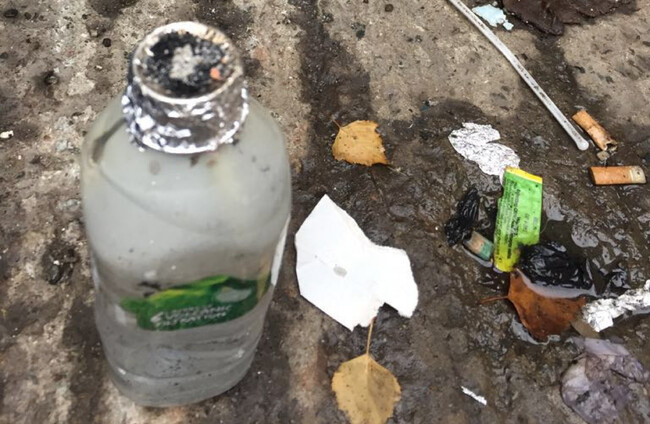

I HAVE WORKED with people who use drugs for more than 30 years, and I have seen drug trends change many times.
In the late 1990s, working at The Passage day centre in London, I saw crack cocaine take hold among the people we worked with. At the end of the 2000s, head shops spread across Ireland selling new psychoactive drugs legally, until they were shut down in 2010.
Through the 2010s, street tablets became a bigger part of the mix in Ireland. These are just some examples. There are many more.
Each time, the people hit hardest were those already on the margins. And each time, harm reduction services were among the first to see the changes.
That frontline perspective matters today. Eddie Mullins, chief executive of Merchants Quay Ireland, recently spoke about the deteriorating health of people using crack cocaine.
Eddie’s concerns are reflected in the data. Cases treated for crack as the main problem drug rose from 173 in 2017 to 1,741 in 2025, according to the Health Research Board.
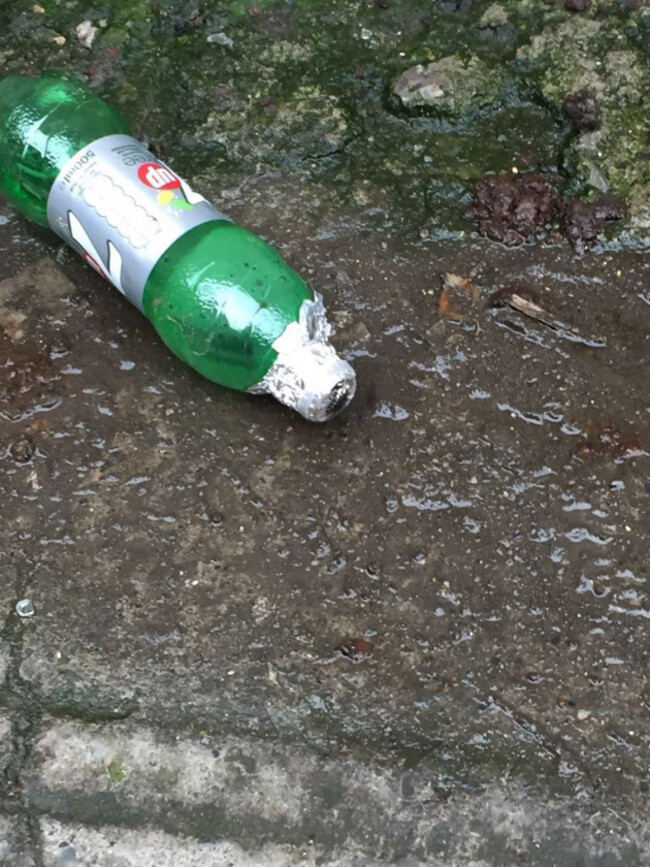
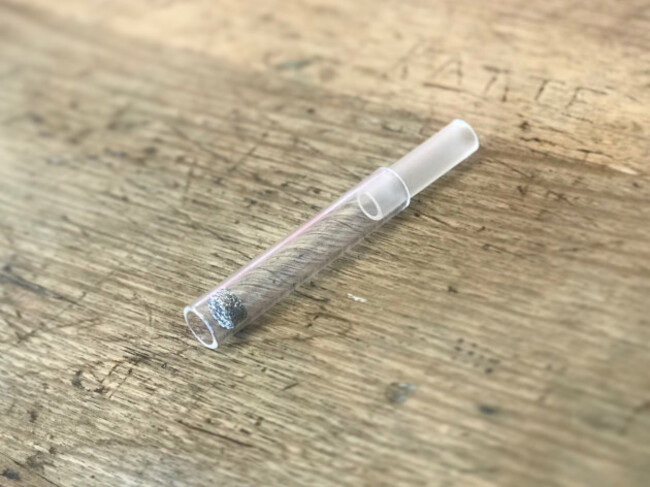
The shift towards crack is also reflected in demand for harm reduction equipment. Michael Considine, CEO of One-Use Harm Reduction Products, which supplies services across Ireland, recently described how smoking equipment now accounts for four in five items supplied to Irish services, up from about one in five a few years ago. He attributed this mainly to crack, with straight glass pipes the most requested item.
For decades, needle and syringe programmes were built around heroin and injecting. Now pipes are central to that work too. A clean pipe can prevent burns and cuts, and helps to reduce infections like hepatitis C passing between people who share.
Every pipe handed over is also a conversation, and a chance to offer advice, support and referrals.
But crack is often used alongside other drugs. Among people treated for crack in 2025, more than half also used opioids.
That matters, because the heroin market is shifting too.
Most of Europe’s heroin has come from Afghanistan. After the Taliban banned opium poppy in 2022, production collapsed, and the market has largely run on stockpiles since.
The UN recently reported that opium production rose fivefold this year. It is too early to tell whether production is returning to pre-ban levels. Opium harvested in Afghanistan typically takes one to two years to reach consumer markets as heroin.
So what might happen? There are two possible scenarios.
First, heroin could become scarcer as the stockpiles run down. Synthetic opioids such as nitazenes, which are far stronger than heroin, could fill the gap, often mixed into heroin or fake tablets without people knowing. Ireland has already seen the danger: nitazenes caused clusters of overdoses here in 2023, and further alerts followed in 2024.
Second, heroin supply could recover. Cheaper and more plentiful heroin could draw people who use crack and opioids further towards heroin, and more people could become dependent on it.
Either way, the risk of overdose rises, and the people most at risk are the same. They are often street-involved (for example, sleeping rough, begging or spending much of their day on the streets) and usually using more than one drug.
We know what works. Naloxone in more hands. Easy access to all forms of opioid agonist treatment. Drug checking in its different forms. Drug consumption rooms where people can smoke as well as inject. None of this depends on predicting which drug comes next.
Alongside these services, we need to decriminalise possession for personal use, going further than the new Health Referral Scheme. Removing the fear and harm of criminal penalties could give us a better chance of reaching people earlier.
The new National Drugs Strategy 2026–2030 commits to “expand evidence-based harm reduction responses for all types of drugs”. That is the right ambition, and we need to move decisively to put it into practice. The action plan includes commitments to review, research and explore harm reduction approaches and services. There is already substantial evidence supporting harm reduction. These reviews need to happen quickly and lead to wider access to services. Wider access gives us the best chance of saving lives, keeping people healthy and supporting them into treatment and rehabilitation.
In the 1980s, heroin caught Ireland unprepared, and many people paid for that with their lives.
Four decades later, we have experienced frontline services, with staff who have responded to changing drug trends over many years. They are often among the first to see what is changing on the street. And we have data to back that up.
Harm reduction saves lives, keeping people with their loved ones. It reduces the transmission of blood-borne viruses, reduces other health harms and creates opportunities for care and treatment.
Harm reduction is cheap and works. By building on existing investment, the government can widen access to harm reduction and help prevent further harm as the drug market continues to change.
Tony Duffin is Lead Consultant with Progressify, Chair of Correlation – European Harm Reduction Network (C-EHRN), a trustee of Harm Reduction International, co-host of the Hot Press podcast Dealing With Drugs and he is an Adjunct Teaching Fellow at Trinity College Dublin.
To embed this post, copy the code below on your site













have your say