Sign in. It’s quick, free and it’s up to you.
An account is an optional way to support the work we do. Find out more.
Sign in. It’s quick, free and it’s up to you.
An account is an optional way to support the work we do. Find out more.

LAST UPDATE | 15 Jul
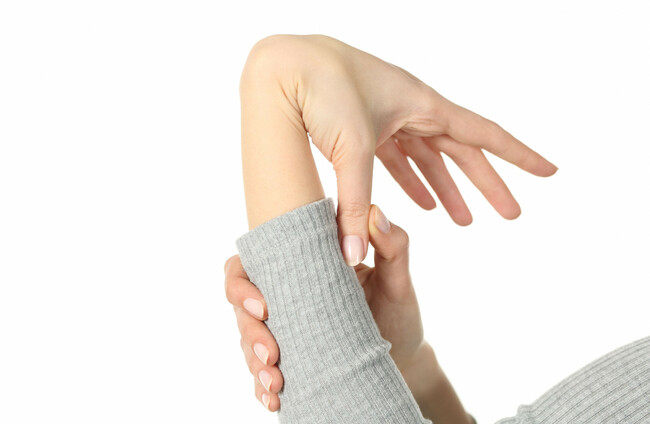
MANY PEOPLE WITH hypermobility have just thought they are simply flexible. Being dubbed ‘double-jointed’ and showing off your ability to bend your thumb back to your forearm is a great party trick.
Effortless days cartwheeling around the garden, dropping into the splits without a hint of a warm-up, providing family entertainment. Excelling at gymnastics due to your natural ability and repertoire of tricks is common among those with hypermobility.
Yet what started as an amusing party trick can, for some, evolve into a lifetime of joint pain, recurrent injuries, fatigue and frustration.

If you have spent years collecting ankle sprains, dealing with unexplained aches or wondering why your body seems to tire easily, being ‘super bendy’, may not be the superpower you thought it was.
For some, this is just a normal, benign trait, how their body was built. But for others, it could be a sign they have a hypermobility condition.
Hypermobility refers to movement in our joints, hyper meaning a joint moves more than the normal expected range of movement for that joint.
Many elite dancers and athletes are naturally flexible, often spending years working to achieve and maintain this. Having flexible joints alone is not the issue. The issue is when that flexibility is accompanied by other symptoms affecting much more than just joints.
Hypermobility-related conditions can affect different systems in your body, leading to pain, fatigue, dizziness, digestive symptoms and joint instability. It can have a profound impact on quality of life and often people do not realise that the symptoms they are having may all be connected to being hypermobile.

Generalised Joint Hypermobility (GJH), Hypermobility Spectrum Disorder (HSD) and Hypermobile Ehlers-Danlos Syndrome (EDS) are three terms often used to describe different hypermobility-related conditions.
Generalised Joint Hypermobility (GJH) refers to joints that move beyond the normal range and, on its own, may not cause any other symptoms. Hypermobility Spectrum Disorder (HSD) is diagnosed when hypermobility, and is accompanied by symptoms such as pain, fatigue, joint instability or frequent injuries that affect your daily life.
While hypermobile Ehlers-Danlos Syndrome (hEDS) is a more complex inherited connective tissue disorder that includes generalised hypermobility alongside other symptoms that affect multiple body systems, including the skin, digestive and cardiovascular systems.
In recent years, awareness of hypermobility, HSD, and hypermobile hEDS has grown substantially. However, unfortunately, many people continue to spend years searching for answers and a potential diagnosis.
As a physiotherapist working in low back pain, I frequently meet people who have lived with pain and unexplained symptoms for years.
Not everybody who is flexible has a hypermobility disorder requiring assessment. However, if you or a family member is experiencing symptoms such as recurrent joint pain, frequent injuries or dislocations, significant fatigue, dizziness, digestive symptoms and are very flexible, seek advice.
If these symptoms interfere with participation in work or exercise, affecting your daily life, early assessment and treatment can help prevent years of unnecessary frustration and delayed treatment.
There is no single blood test or scan that can diagnose a hypermobility or connective tissue disorder. Diagnosis begins with a detailed clinical assessment and review of a person’s symptoms.
A large part of the diagnostic journey involves ruling out other conditions that can cause similar symptoms, including inflammatory and autoimmune diseases like rheumatoid arthritis and lupus, thyroid disorders, as well as other inherited connective tissue conditions.
Your GP can arrange blood tests that include inflammatory markers and thyroid function tests. A rheumatologist may become involved if inflammatory conditions need to be excluded or if onward referral for genetic testing. Genetic testing via blood or saliva samples can help identify certain types of Ehlers-Danlos Syndrome (EDS).
A GP or CORU registered Chartered Physiotherapist can offer advice, assessment and onward referral for further tests and/ or specialist intervention as required.
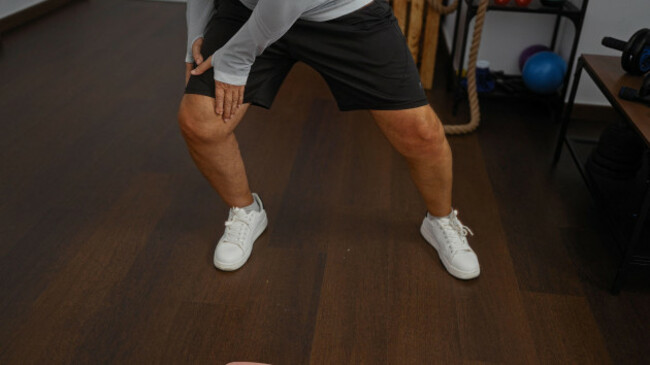
The Beighton Score is a simple nine-point physical assessment used to look for joint hypermobility. This simple measure looks at how flexible certain joints are, including the fingers, thumbs, elbows, knees and spine.
A higher score suggests greater joint hypermobility. It is not a diagnostic test on its own, but alongside a person’s symptoms, age and medical history, can help identify people where hypermobility may be present. Your physiotherapist or GP can help guide you through this assessment.
The assessment and treatment of hypermobility centres around a multidisciplinary team approach, with physiotherapy playing a key role.
Strength training is considered one of the most important long-term treatments for hypermobility. It has excellent research to support its use with the right approach. It is important to focus more on strength than stretching in hypermobility-related conditions.
The goal is not to be less flexible but to become more stable, protecting joints and hopefully reducing recurrent injuries. Start light and slow and build from there. If you are new to resistance training, body weight exercises are a nice place to begin, working towards resistance bands and progressing to weights.
youtube.com/watch?v=A_WJxNvFhYg
A physiotherapist can work with you to build a progressive loading program suited to your level to help improve your strength, joint stability and body awareness.
Hypermobility disorders are complex, whole-body conditions rather than simply being ‘double-jointed’. Many patients experience an array of symptoms that greatly impact their daily lives.
Symptom management and pacing are also key a focus of learning to live and manage hypermobility disorders. Pain specialists, occupational therapists, rheumatologists, physiotherapists and your GP may be involved in overall care, depending on what symptoms are most bothersome.
Early intervention is recommended. However, people often struggle to access appropriate care because of limited awareness among healthcare professionals and a lack of clear diagnostic pathways. Researchers are calling for earlier diagnosis and better multidisciplinary care, stressing that hypermobility should be recognised as a complex, whole-body condition with lifelong health implications that affects much more than just a person’s joints.

New research has also highlighted the challenges faced by people living with hypermobility disorders, with a UK study finding that patients in Northern Ireland wait an average of 21 years for a diagnosis.
This is noted as one of the longest delays in the NHS, with nearly 40% of people having to travel outside the region to get a diagnosis. In Ireland, progress has been made through specialist bimonthly clinics led by Dr Anand Saggar, Consultant in Genetics at the Beacon Hospital. This has improved access to care for people with EDS and HSD. However, significant gaps still remain. Professor Saggar holds a clinic once a month in the Beacon; however, the current wait list is around 18 months.
Studies suggest around 2,000 people have been diagnosed with EDS and 650 with HSD. However, they also suggest at least 6,250 people in Ireland may be living with one of these conditions, meaning many could still be undiagnosed, and similarly many patients also have to travel to England for specialist care.
It highlights the need for a coordinated national approach to diagnosis and treatment of hypermobility-related conditions, with greater investment in specialist and long-term multidisciplinary services across Ireland.
Resources are available for those experiencing hypermobility disorders. The Ehlers-Danlos Society is an international organisation providing fantastic evidence-based educational resources.
The Irish EDS website is also a great starting point for resources, support groups and sign posting of other international resources and supports.
Stephen O’Rourke is a Clinical Specialist Musculoskeletal Physiotherapist at the Mater University Hospital, Dublin, with a specialist focus on spinal care and low back pain. He is also a guest lecturer at the Royal College of Surgeons in Ireland and is a health contributor to TheJournal.ie.
To embed this post, copy the code below on your site












have your say