Sign in. It’s quick, free and it’s up to you.
An account is an optional way to support the work we do. Find out more.
Sign in. It’s quick, free and it’s up to you.
An account is an optional way to support the work we do. Find out more.
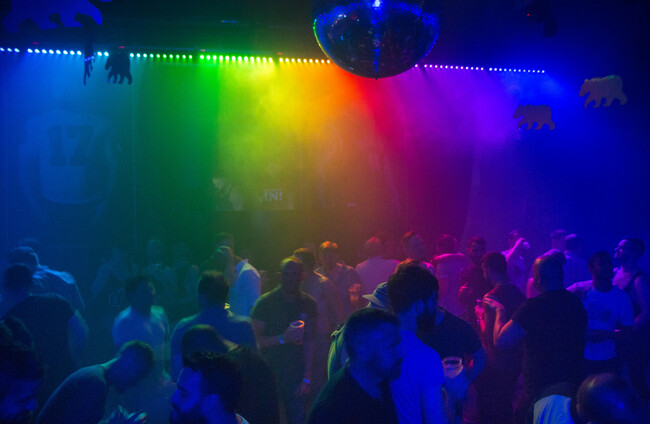

AS SOMEONE WHO has been well-embedded in Ireland’s LGBTQ+ community since I was a teenager, I had major concerns about what my relationship with the community might look like if I stopped drinking alcohol. Much of today’s queer culture has been shaped by bars, clubs and pubs, which previously represented the only safe place that the community could convene, connect and express themselves.
We were reminded of this last month, when The George celebrated its 40th birthday, which was enthusiastically celebrated by the community and allies alike. Throughout the celebrations, it was noted that The George opened eight years before the decriminalisation of homosexuality in Ireland, reminding us that the past isn’t as distant as we’d like to think.
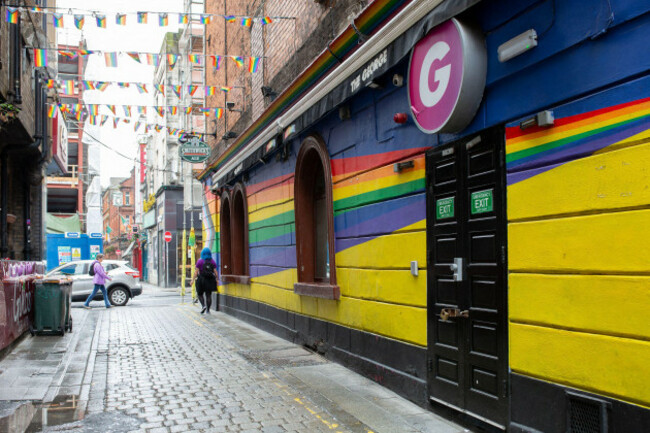
In the subsequent decades after decriminalisation, as attitudes towards the LGBTQ+ community have shifted, there are still people in the community who experience a significant amount of shame and stigma while coming to terms with their identities.
Many LGBTQ+ people sympathise with this, knowing firsthand that alcohol can temporarily alleviate those feelings. Even those who have parted with that inner turmoil still voraciously consume alcohol, because in a space that’s designed to let you be yourself, there’s something exhilarating about pushing the limits of how much you can abandon your inhibitions.
Alcohol and substance abuse are major problems within the LGBTQ+ community, with the community more likely to drink to excess than heterosexual and cisgender people, as noted by Drink Aware.
While alcohol is intertwined with Irish culture in general, remaining present in all of our significant milestones, our social lives and people’s daily routines, the role it plays in the lives of queer and trans people is quite unique.
From the moment that I first began to enter queer spaces, the presence of alcohol was very apparent to me. In fifth or sixth year of secondary school, a friend of mine invited me to an event at the now-defunct Seomra Spraoi, which was a radical social centre near Mountjoy Square.
It was run by the community and for the community, offering free language classes, bike repair workshops, pay-what-you-can dinners and a genuine third space, where you could drop in and out as you pleased. It was one of the most resourceful and optimistic spaces Dublin has played host to in recent decades.
On that faithful day, when I attended that first event with my pal from school, we were surrounded by lesbians in their 20s. They were running workshops on trans inclusion, zine-making and other crafts, with an emphasis on skill-sharing. The older people were fawning over me and my pal, who were comparatively infants.
It was a blisteringly sunny day, and everyone around me was not only unyieldingly queer but also living and thriving within a community that seemed utopian to me. The only thing that was outnumbering the alternative lifestyle haircuts was the number of cheap cans people were nursing.
A few months later, when I was old enough to get into nightclubs, this theme continued. Venturing into ‘War’ at Andrew’s Lane Theatre for the first time, tall, trendy gay guys with razor sharp cheekbones were decked out in Topman’s finest, greeting me at the door and smearing the club’s hallmark warpaint on my face. They ushered me into a sea of lesbians queuing for the bar in River Island’s then-ubiquitous Rihanna t-shirts.
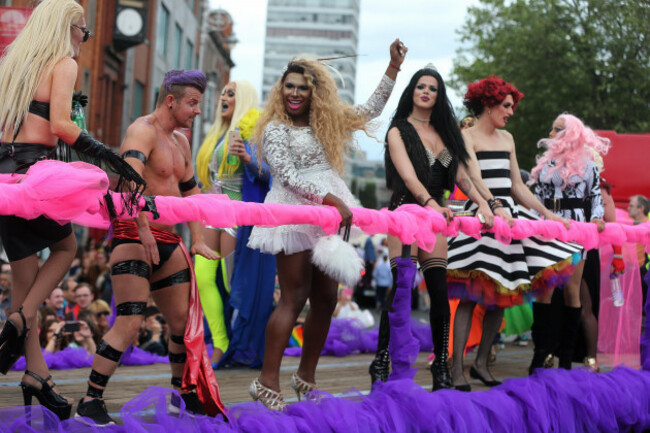
Drink deals encouraged bulk purchases. In those days, a night out under €30 was feasibly achievable, with the strategic combination of a naggin and a three for €9 deal on bottles, or three for €12 deal on jaegerbombs. I took to this environment like a fish to water, arriving home each night to stare at the ceiling, manifesting that I’d survive the caffeine-induced palpitations.
In the back of my head, I understood that the alcohol wasn’t actually all that important to me. Rather, it was the environment itself that was intoxicating.
I wasn’t going to queer club nights or gay bars to drink, but to be around queer and trans people. Secondary schools in Ireland were very different to what they became in the wake of the marriage referendum, which made the sense of refuge in queer clubs even more stark. It felt like lifting my head above the water.
I know I’m not alone in thinking this. Back then, it was almost palpable how many people were dropping their shoulders and relaxing as they entered Andrew’s Lane Theatre or Lost Society.
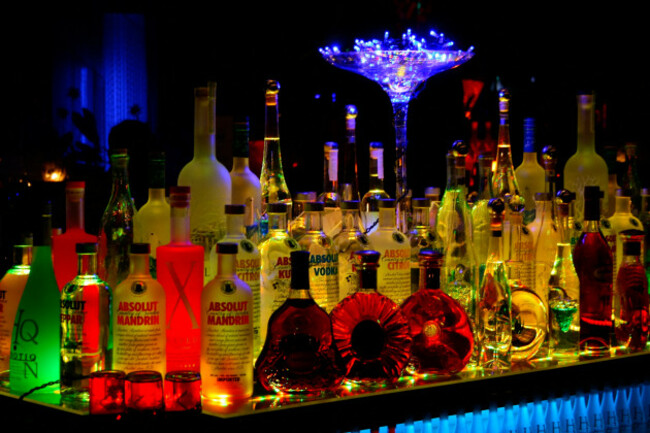
Alcohol was an important catalyst for many in those environments, fast-tracking friendships and taking awkward teenagers from a place where they violently recoiled from any semblance of intimacy, to turn them into people who could easily talk about themselves and be vulnerable with one another. Drink seemed like the key to connecting with people, allowing anyone to feel understood.
When I decided to end my relationship with alcohol (another story entirely), I was genuinely worried that I’d be leaving all of this behind. In my final years of drinking, I might as well have had a residency in Street 66, I was there so often.

The funny thing is, I don’t think I’ve ever been closer to the LGBTQ+ community than I have been in the past year, since I stopped drinking. The headspace away from hangovers, the improvements to my health and being able to reclaim so much free time have been hugely conducive to getting involved in new ways.
I’ve been able to volunteer within and beyond the LGBTQ+ community, getting to know people in new ways and contributing more meaningfully to the community.
Looking back, while alcohol was a valid accelerant for connection, it ultimately became an impediment to my involvement in more beneficial ways, because of the toll it took on my body, my time and my financial circumstances.
Now, I can’t help but think about how much the community would stand to benefit if more of us disentangle alcohol from our relationship with it.
Kelly Earley is a writer and podcaster from Coolock, who has a deep interest in culture, technology, community and social justice. She writes for The Journal every week.
To embed this post, copy the code below on your site












have your say