Sign in. It’s quick, free and it’s up to you.
An account is an optional way to support the work we do. Find out more.
Sign in. It’s quick, free and it’s up to you.
An account is an optional way to support the work we do. Find out more.

LAST UPDATE | 26 Jul
IRELAND HAS BEEN dubbed the puppy farming capital of Europe. Every year, tens of thousands of dogs are bred for profit, often by backyard sellers and illegal breeders in cruel conditions that lead to devastating conclusions.
Animals are suffering as illegal and unscrupulous breeders north and south of the border, exploit gaps in regulation and enforcement, while puppies are trafficked into lucrative overseas markets.
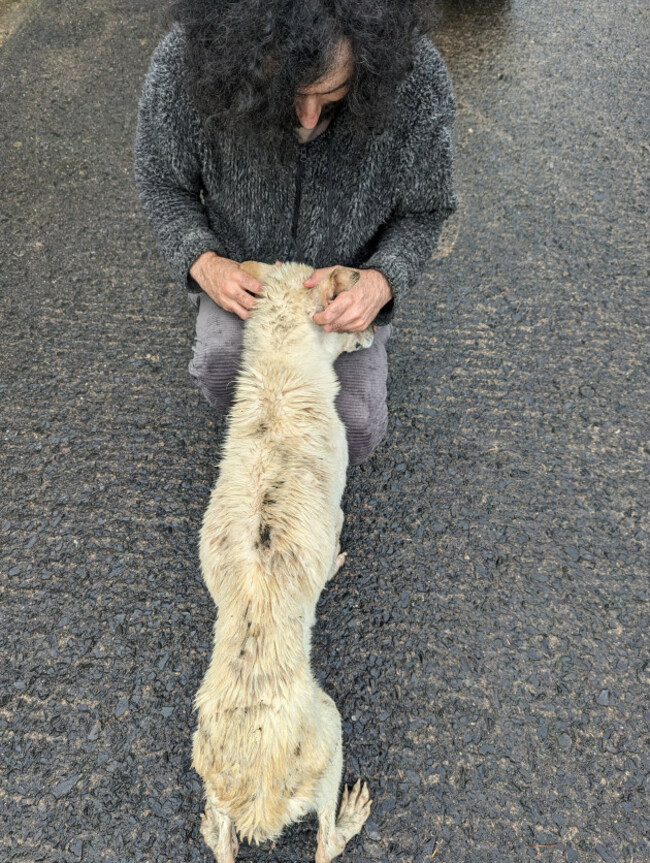
We witnessed the brutal reality of illegal dog breeding on a Sunday afternoon three years ago. At our gate, on an isolated road in rural Fermanagh, stood an emaciated white shepherd. She had shambled up our driveway, matted in mud and covered in scars and open sores.
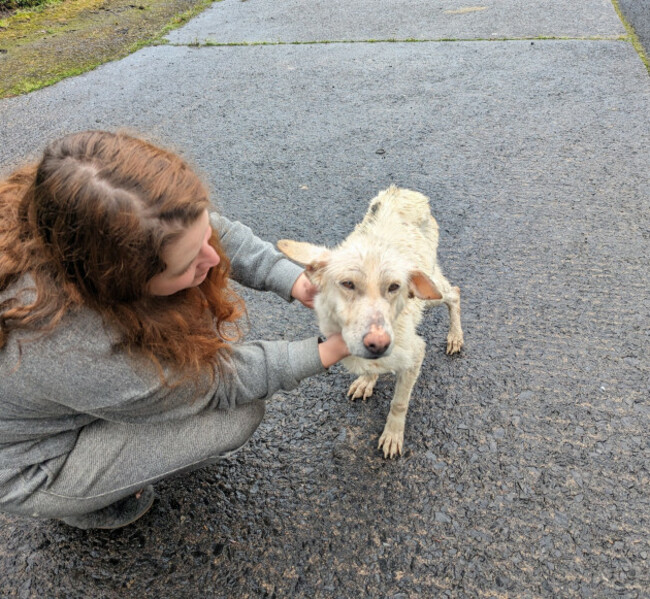
It was clear she had been starved; her ears were severely damaged from untreated infection, and her distended teats suggested she had very recently been bred, then discarded once she was no longer of use. She was abandoned on a remote lane near the Irish border.
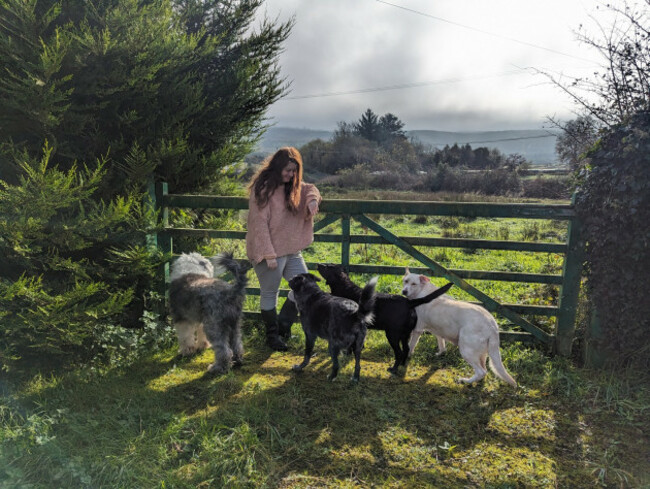
That evening we named her Wraith – aptly given she was a walking skeleton at 18kg. By contrast, today she is a remarkably spry 38kg. The day she walked up our drive, we gave her a medicated bath, fed her a light meal to not overwhelm her system, and one at a time, introduced her to our three boys; Galaxy, Shadow and Rogue, who all somehow seemed to understand the fragility of her condition.
What followed were six months of extensive recovery; the vets could not determine her precise age, but estimated that she was between six and eight years old, and that she had had many litters, including at least one delivered by caesarean.
Her ear canals were so badly damaged that they had calcified and malformed, and she would scream if the slightest pressure was applied anywhere near them. In spite of the pain, she was compelled to itch her ears almost constantly, wailing, but with persistent care we were able to avoid the worst outcome: having her ear canals surgically removed.
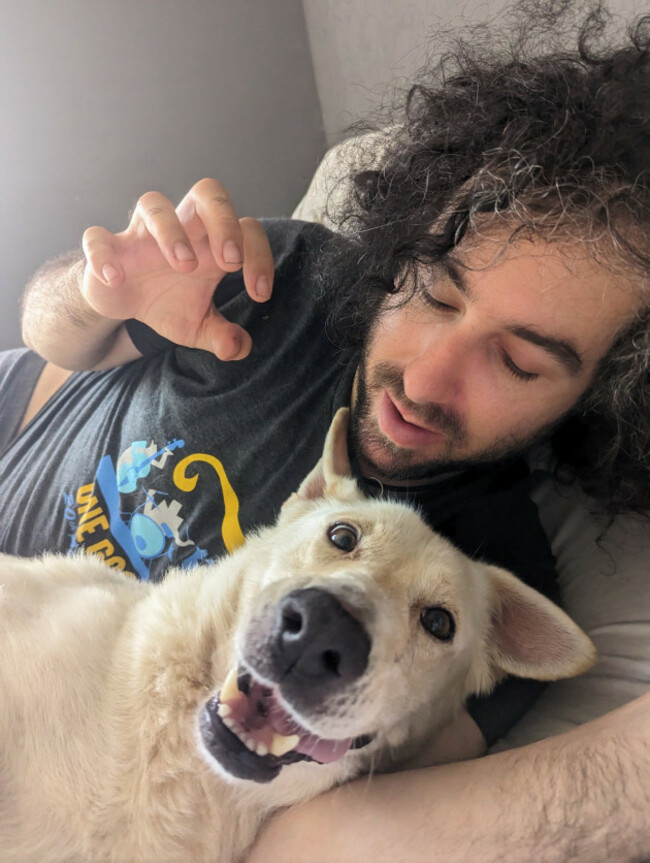
As long-time dog owners, it was clear that Wraith had endured a life of suffering. She did not know how to habituate inside a home or how to play with people, dogs or toys. In the years since, she has adopted many of our three boys’ habits, while her own unique personality continued to develop.
Thankfully, she got over her propensity for trying to eat hard metals, stones and entire dog toys. It would be years before we’d hear her first bark – unfortunately at our neighbour’s cows – but this felt like a milestone for a dog conditioned to be silent.
One of the most challenging aspects of adopting a dog who had been used for illegal breeding is the lack of information or accountability. To this day, we have no idea who is responsible for dumping Wraith that day, nor do we know the fate of any of the puppies she was forced to carry.
What we do know is that she was not alone; on 30 April 2023, she was dumped close to the border alongside another comparably abused German shepherd. This boy was also found severely emaciated and was completely blind. He was estimated to be between four and five years old, and was adopted by another local resident in the area.
A month later, another German shepherd boy was found near Carnmore Rock; his injuries were so severe he had to be put to sleep. Not long after, two German Shepherds were found further into Fermanagh and South Tyrone, tied with weights and drowned in a lake near Aughnacloy.
Before we found Wraith, two female German shepherds had been recovered in the area with indications of breeding and abuse. One was missing an ear.
These are just the dogs that were found; many more may have simply been lost to the unforgiving rural environments in which they were dumped, and these are only the cases publicly known in Fermanagh; more recently, German shepherds have been recovered with severe injuries in both Monaghan and Dundalk.
These are not isolated incidents; it’s believed around 30,000 puppies a year are bred in Irish puppy farms and smuggled to the UK using the Irish border to gain access to ports in Larne and Belfast. This is in addition to an estimated 70,000 puppies that are born to illegal breeders and sellers every year. The exploitation of dogs for profit is a reported whopping 187 million (euro) enterprise, which includes illegal breeding by criminals and abuse networks. If people didn’t insist on buying dogs, this market wouldn’t exist.
Many of those involved in illegal breeding also engage in other forms of animal cruelty, including dog fighting.
A 2025 joint investigation by the Ulster Society for the Prevention of Cruelty to Animals (USPCA) and the League Against Cruel Sports uncovered a sophisticated cross-border dog fighting network operating between Ireland and Northern Ireland.
Efforts are underway in both the Dáil and Northern Ireland Assembly to tighten legislation.
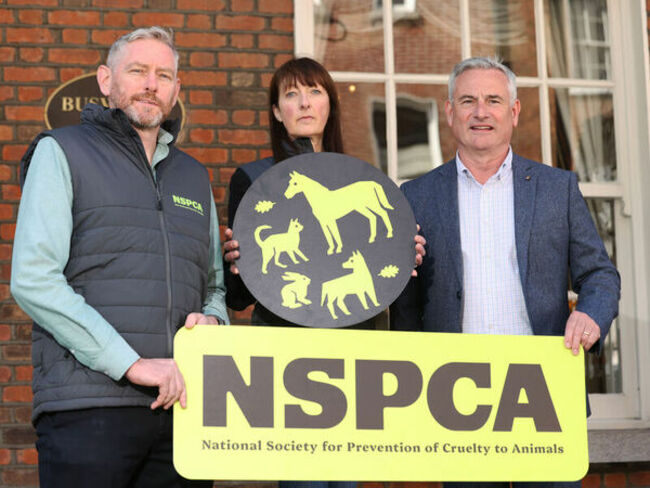
In Northern Ireland, plans are in motion to force mandatory registration for all sellers of puppies and kittens under six months old with local councils, alongside enforced welfare rules. In Ireland, The Dog Breeding Establishments (Amendment) Bill seeks to place breeding limits that aim to improve the welfare of dogs, including restricting breeding to one litter per year, no breeding of dogs under one-year-old, a lifetime limit of four litters (increased to six with veterinary approval), and a complete ban on third-party selling.
The problem is enforcement; whilst strengthened legislation and increased fines are welcome, how effective will these deterrents be at dismantling a well-organised criminal empire, and the culture of silence in communities that protect them?
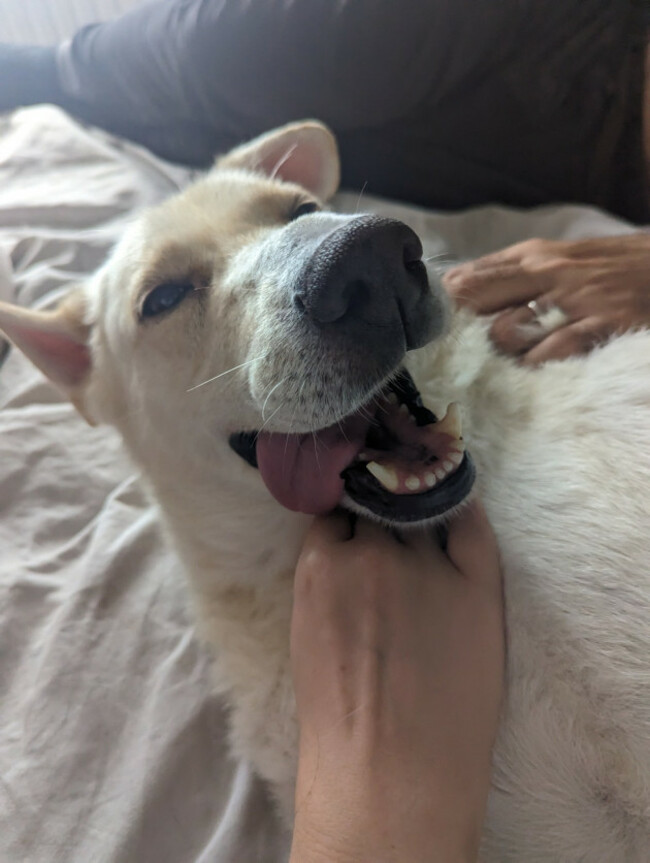
Today, Wraith is a happy, goofy girl who has brought our family more joy than we could have known. We will likely never learn the identity of whoever is responsible for her suffering or for the suffering of every other dog these criminals brutalised and killed.
The disturbing likelihood is that the individuals responsible are still operating, which means that at this moment, many other dogs are living lives of suffering while their captors enrich themselves.
Once they are deemed too old and worn to turn a profit – when these dogs are at their most vulnerable – they are abandoned or killed.
These animal abusers are someone’s neighbour, they’re members of someone’s family, and there are people in our communities who know exactly who they are.
If we hope to end Ireland’s illegal puppy trade, we not only need stronger legislative deterrents at an inter-governmental level – we need to be more vigilant within our own communities.
Emma DeSouza is a writer and campaigner.
To embed this post, copy the code below on your site













have your say