We need your help now

Support from readers like you keeps The Journal open.

You are visiting us because we have something you value. Independent, unbiased news that tells the truth. Advertising revenue goes some way to support our mission, but this year it has not been enough.

If you've seen value in our reporting, please contribute what you can, so we can continue to produce accurate and meaningful journalism. For everyone who needs it.

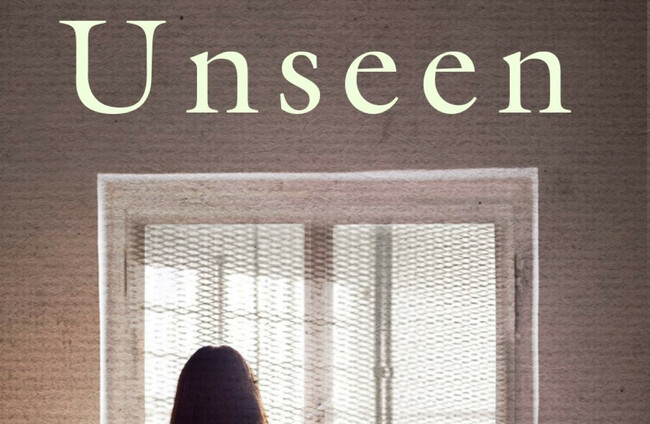
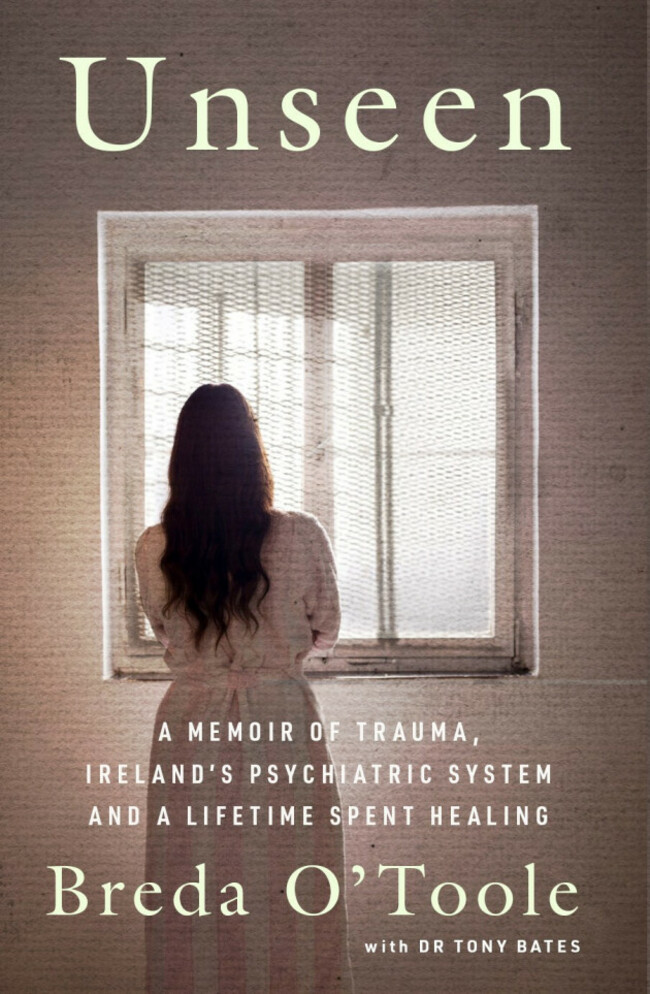
Unseen: A memoir of trauma, Ireland’s psychiatric system and a lifetime spent healing by Breda O'Toole, with Dr Tony Bates, is available now. Gill

Books 'Life in the convent was all about power and domination'

Breda O’Toole’s memoir is a story of the resilience of the human spirit.

In her new memoir, Breda O’Toole uses her own experience to give an unflinching look at mental health treatment in Ireland across several decades. 

Using 23 years worth of psychiatric records, she tells her story of navigating a system  that, instead of helping her, frequently did the opposite. She faced misdiagnoses, incorrect medication, being bound in a straightjacket for eleven days, and being subjected to electroconvulsive therapy. Breda was treated as a problem, not a person.

But despite it all, she was determined to reclaim her voice, and her sense of self. She did find professionals who look at the person as well as the condition. One of those was Dr Tony Bates, a clinical psychologist of over 30 years, who wrote this book with her about a system that too often loses sight of the human being at its heart.

In this chapter, Breda offers a glimpse of the three years that she spent in a convent in Co Offaly as a teenager. 

CONVENT LIFE IN Brosna, County Offaly, run by the Salesian Sisters, was far from what I expected. Now aged 15, I had hoped for a nice life. I did not get it. Talk about from the frying pan into the fire.

A shrill bell rang out each day at 6.30am. We jumped out of bed, dressed quickly and lined up like soldiers at attention. The school was housed in a huge, intimidating building, surrounded by fields. We marched to the refectory, bound by the rule of silence, and ate breakfast. Daily chores were conducted in fear of the nuns. They were very stiff and stern, regimental, a distant authority.

Everything was clockwork. You would never be asked how you felt about something or were you okay. You might as well have been in the army; it was so regimental. Like at home, there was a total lack of kindness, and an expectation of heavy domestic work. I remember being on my hands and knees, polishing the tiled floor of an enormous hallway, terrified of missing even one black scuff mark.

On Saturday mornings, we helped with household chores. There was also gardening to be done. The afternoon was spent pulling out large patches of weeds. The flowerbeds had to look pristine before visitors arrived.

I recall the afternoon we were sent to the fields in our long black dresses to dig out mangels for the cows with our bare hands. My fingers stung and felt like icicles. I was angry that we were treated like that, but what could I do? One didn’t dare protest.

UNSEEN COVER RGB Unseen: A memoir of trauma, Ireland’s psychiatric system and a lifetime spent healing by Breda O'Toole, with Dr Tony Bates, is available now. Gill Gill

Now and then, on a Saturday afternoon, a nun escorted us on a long walk, and even though special friendships were forbidden, we were allowed to have a few words with our companion. Apart from short recreational periods, we girls were forbidden to speak to one another. To break this rule was regarded as a sin. You were supposed just to be in communication with God – whoever God was; I never had a clue.

Life in the convent was all about power and domination.

Attending school during the week was a welcome relief. I liked being in fifth year. One morning, I was writing in my copy when, unexpectedly, I was called out of the classroom. The Intermediate Examination results from my previous school had arrived in the post. The nun scanned my results and acknowledged that I had passed every subject. But then she added, ‘You are weak at Irish. You will have to stay back and repeat the year. Follow me.’ Numbed, I walked down the corridor obediently without knowing what to expect.

She led me to a different classroom, full of faces I didn’t recognise. Suddenly, I became an Intermediate Certificate student again. That tore me asunder inside. It was so cruel. I had worked really hard, I even got Irish despite having grown up in England. And then just to have this towering figure standing over you, and you feeling totally diminished, as they are telling you what they want you to do. I had been happy and content in my class. The feeling of having no power within your own life; it was a bizarre world we were living in.

The first Sunday of every month, 2 to 4 p.m., was visiting day. Mirrors were forbidden, but we found a way around that. We stood behind a glass door in our black dresses and checked our reflections to see if we looked okay, even with our embarrassing haircuts (a short, straight line across the back and a short fringe across the forehead). Had we been found out, we’d have been in big trouble. Why? Because we had been perceived to be guilty of pride. I vaguely recall nuns standing on a pulpit in the refectory, admitting to a sin they had supposedly committed that day. I had severe reservations about the practice. The monthly visits provided two hours of bliss when we could wander the grounds without supervision.

During the Leaving Certificate year, my mother told me that my father hadn’t spoken to her for two years after I entered the convent. He blamed her because I had decided to leave home and become a nun. This person that he could depend on to be there, doing all this work, and keeping everything ticking over was gone. Now the responsibility to make it work was fired back on them, because I had played a major role in keeping everything at least manageable. I was a domestic slave, cooking meals, cleaning, helping to run the shop, keeping the house going while my mother did her time in the shop.

When our visitors left, we had to hand over biscuits, cakes, sweets, and any gifts received. We never saw them again.

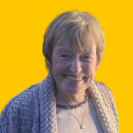
Breda O’Toole is a music teacher, a mother of eight, three of whom died as babies, and a grandmother to twelve. She lives in Connemara, County Galway.

Readers like you are keeping these stories free for everyone...
A mix of advertising and supporting contributions helps keep paywalls away from valuable information like this article. Over 5,000 readers like you have already stepped up and support us with a monthly payment or a once-off donation.

Close
JournalTv
News in 60 seconds