Sign in. It’s quick, free and it’s up to you.
An account is an optional way to support the work we do. Find out more.
Sign in. It’s quick, free and it’s up to you.
An account is an optional way to support the work we do. Find out more.
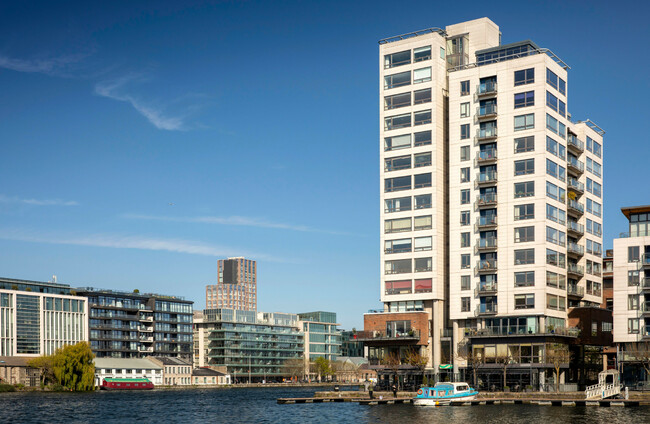
MARKET RENTS ROSE by 1.4% between March and June of this year, which is significantly lower than the record high seen in the first quarter of 2026, according to a Daft.ie study.
In February, new rules for landlords came into effect that prohibit them from resetting rents to market value for existing tenants, even if their tenancy is up for renewal.
At the time, Ireland’s largest private landlord firm, Ires Reit, told its investors the new regulation would result in a major boost in rental income. As it turned out, the average rent rose by 4.4% in the first quarter of the year.
The newly recorded market rent rise of 1.4% is slightly below the 1.6% average increase seen over the last decade, said Ronan Lyons, associate professor of economics at Trinity College Dublin.
The average market rent for a two-bedroom apartment in Ireland is now €2,204 per month.
Rent inflation is still high in the four major cities outside Dublin, the Daft report said.
The report shows that market rents in the second quarter were 13% higher year-on-year in Galway city, 12% higher in Cork, up 11% in Limerick.
The rate in Waterford city, at 5.5%, was comparable to that seen in Dublin, where market rents in June were 6.5% higher than a year before.
Outside the cities, annual inflation in open-market rents was between 9% and 10% across Leinster, Munster and Connacht-Ulster.
“Among the most striking developments of the last five years has been the geographic change,” Lyons said.
“A two-bedroom apartment in Dublin cost close to three times its Connacht-Ulster equivalent for most of the 2010s, peaking at just over three times in 2018.
“That ratio has now fallen below 2, its lowest since the series began in 2004.”
There were just under 2,400 homes available to rent across the country on 1 August, which is a 5% increase compared to last year.
However, the Daft report noted that this increase “masks a sharp divide” because availability in Dublin fell by 18% over the year to fewer than 1,150 homes.
Across the rest of the country, availability rose by 40%.
“Across the country, availability remains well below pre-pandemic norms, when there were typically over 4,300 homes to rent at any one time,” the report said.
Lyons concluded that “the implication is that rental scarcity is no longer a Dublin problem, or an urban one, with a national fringe, but a national one”.

To embed this post, copy the code below on your site










have your say