Sign in. It’s quick, free and it’s up to you.
An account is an optional way to support the work we do. Find out more.
Sign in. It’s quick, free and it’s up to you.
An account is an optional way to support the work we do. Find out more.

OVER THE PAST 10 years the Democrats have faced repeated criticism for ‘picking the wrong candidates’.
This time around, with their resounding victories in the midterms, it seems like they’ve finally cracked it.
But questions are already being raised about whether these election results say more about what Democrats got right or what Republicans got wrong.
Are the results driven by Democrat victories, or Republican failures?
Texas is undoubtedly the main story to come out of these elections. James Talarico’s victory here was seismic for the Democrats.
The seminarian captured independent voters and convinced disaffected Republicans with his progressive, yet moderate stances and his focus on issues like the cost of living.
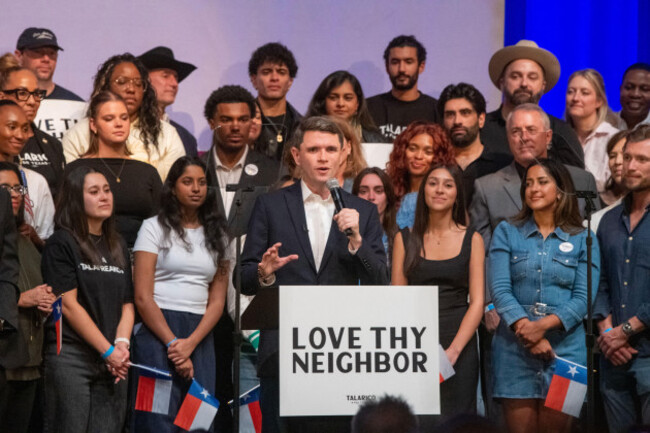
But his victory shouldn’t be viewed in isolation from his opponent, former attorney general Ken Paxton.
Paxton was almost a comically bad choice for the Republican nominee, with his less-than-squeaky-clean past.
Over the years he’s been accused of and indicted on charges of fraud, his staff accused him of improper influence, abuse of office, bribery and of firing whistleblowers for reporting his alleged misconduct.
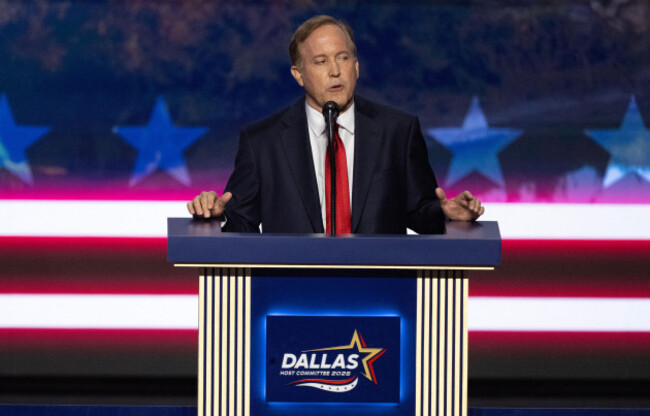
He also sought to overturn the 2020 election to keep Trump in power.
He wasn’t the only candidate where voters may have been voting more against the Republicans than they were voting for the Democrats.
The Michigan race also got nasty, with Republican candidate Mike Rodgers and even Donald Trump himself repeatedly attacking Democrat Abdul El-Sayed in various racist and Islamophobic tirades.
Then there was the now infamous campaign ad from Republican Vivek Ramaswamy’s camp which used his opponent Amy Acton’s estranged mother to try and sow doubts in voters’ heads about her competency.
Her mother lost custody of Acton after her husband, Acton’s stepfather, was indicted for raping Acton when she was 12. Trump and others came out to defend the ad. Ramaswamy lost by eight points.
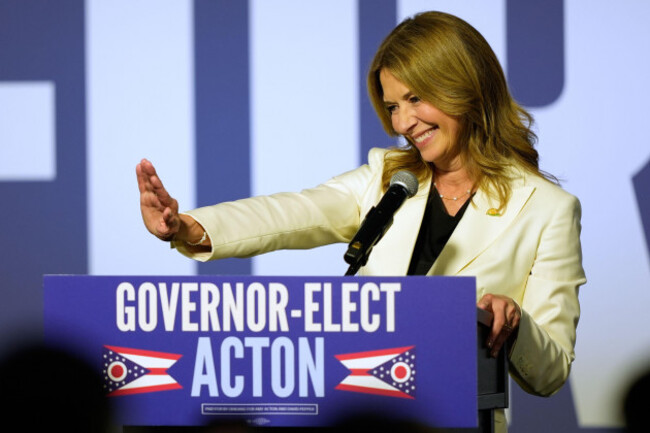
This has been a long-running strategy for Trump and the MAGA elements of the party; this time around voters seemed to care more about the cost of living than any ongoing culture wars.
These candidates and others like them clearly put sour tastes in the mouths of voters, even those who would tend to vote Republican.
Through this election we saw also saw Republicans punished for their support of Trump and the MAGA movement that is being blamed for people’s economic struggles and for the feelings of betrayal Trump voters have.
With their control in both chambers gone, Republicans may now be thinking about how to distance themselves from Trump, JD Vance and other prominent people in the MAGA camp.
On the other side, Democrats appear to have capitalised on their strategy of focusing on the basics while broadening their base.
If we look at what their Senate seat winners spent most time doing, it was talking about cost of living, healthcare and, in most cases, not talking about their opposition.

Candidates in the south like Talarico, pastor Adam Hamilton from Kansas and Annie Andrews from South Carolina consistently reframed questions back to these issues and away from Democratic stances that appeal less to voters in their states.
When asked about Trump’s attacks on his ethnicity and religion, El-Sayed repeatedly said that these things have nothing to do with the price of people’s groceries.
This raises the question of what problems having such broad views in the party might have. We’ve already seen internal conflict in the Democrats played out publicly like their stance on Israel’s bombardment of Gaza.
The Republicans used to be the party that focused on the economy and the practical issues that matter to voters. Now with Trump’s war in Iran and rising inflation, they capitalised on being able to blame the president for people’s economic struggles.
But one can find little ideologically in common between self-described centrist Hamilton and the most progressive El-Sayed. In 2028, they won’t have the opportunity to pick candidates to appeal to everyone.

People have already touted Georgia’s Jon Ossoff as a potential middle ground candidate, who was reelected on Tuesday night.
He’s seen as a good choice with him being from the South, and his policies being liberal enough to keep progressives happy but centrist enough to not lose independents and swingable Republicans.
We will probably never know how much of the Democrats’ successes over these midterms can be put down to how unpopular Republicans and Trump are right now.
Many would argue it’s a lot.
With Democrats targeting wide appeal, Republicans seemed to rely on the base Trump created for them over the past 10 years.
But, this election, even the reddest of red states made it known they are unhappy with how things are because, as John F. Kennedy said: “Sometimes party loyalty asks too much.”
To embed this post, copy the code below on your site












have your say