Sign in. It’s quick, free and it’s up to you.
An account is an optional way to support the work we do. Find out more.
Sign in. It’s quick, free and it’s up to you.
An account is an optional way to support the work we do. Find out more.
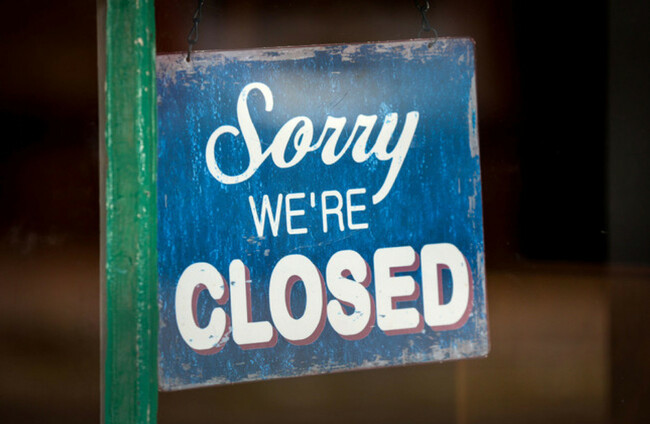
THE FOOD SAFETY Authority has shut down eight businesses for a variety of violations including rodent infestations, dead cockroaches and dirty kitchen surfaces.
Four of the shuttered businesses were in Dublin while the other four were in Donegal, Limerick, Offaly and Tipperary.
Two closure orders were given under Ireland’s FSAI Act 1998 and six closure notices were issued under the European Union (Official Controls in Relation to Food Legislation) Regulations 2020.
The two food businesses ordered to close under the FSAI Act, 1998 were:
The six businesses order to close for EU regulation violations were:
Some of the details outlined in inspectors’ reports make for gruesome reading.
Jazz Chinese Restaurant had “an active rodent infestation in the kitchen,” and there were droppings “in multiple areas”, including under the microwave, under the rice cooker, and in the storage area, the report noted.
“The kitchen was dirty to the extent that food produced in these conditions is likely to be contaminated with dirt,” which the inspector said “poses a grave and immediate danger to public health”.
Freshly Chopped & Neat Pizza also had an active rodent infestation in its kitchen, with “recent” droppings found in cupboards and under appliances.
Letterkenny Kebab and Pizza was generally filthy, the report said.
The wash hand basin and taps were “ingrained with dirt” and sinks for washing food equipment had a build-up of dirt and old food.
“There was a large build-up of old food, dirt and food packaging underneath all equipment within the kitchen area.”
The inspector said that light switches and plug sockets were “filthy with dirt and grease”. The handles on the fridge and freezer were also ingrained with dirt.
“Numerous non-food items, including hammers, saws and bolts were stored beside the sink at the smaller preparation area,” the report noted.
The restaurant also failed to maintain documentation of the food supply chain to ensure traceability.
“A bucket of rice was found stored in the fridge near the wok cooking station. The rice was covered in blue mould and was turning purple in colour.”
At Baalbec, the potato peeling station was in an outdoor shed, and there was no wash basin there. The shed was not fully enclosed and open to the elements.
“There was no protection against contamination and in particular pest control with notable large gaps in the walls and ceilings of [the] potato peeling area.”
Al Huda Grocery was inspected after a complaint was made by someone who said they saw cockroaches at the premises.
“During this inspection, I found 2 dead cockroaches on traps laid in the shop floor area,” the inspector said.
At the deli counter, “there was no documented or other evidence that a pest control management system was in place,” and “substantial fly activity”.
There was also no hot water or soap available for washing hands.
“There was a lot of old food residue, dust and cobwebs evident on the floor under equipment in the deli area. A pan and an electric hob were also stored on the floor under a preparation table in the deli which is unhygienic. There was also food residue, dead insects, cobwebs, packaging, etc. noted on the floor under shelving units on the shop floor.”
When it came to management at the deli, “Nobody was in control, nobody was managing food safety and nobody was aware of the critical control points required to control and operate a food business.”
At Cafe India, food items were stored in a yard outside and some food was found to be past its use by date.
“There was no evidence to demonstrate that the food workers were trained in food safety,” the report said.
“The food workers demonstrated poor food safety knowledge when questioned.”
There was also no information about allergens on the menu.
Divine Catering was operating out of a domestic premises and was not maintained to industry standards.
At Anchawa Honey Pot, “There was no Approved Supplier List available and no information available to verify where the food supplied to the premises had originated.”
“The general level of cleaning at the time of inspection was noted to be poor and it was evident that there was no systematic approach to cleaning,” the inspector noted.
FSAI chief executive Dr Pamela Byrne warned that there is a legal responsibility for food businesses to act responsibly and ensure the food they provide to their customers is safe to eat.
“Whilst most food businesses follow high food safety standards and are compliant with food law, inspectors continue to encounter cases where consumers’ health is put at risk through a failure to comply with food safety and basic hygiene requirements.
She added that the FSAI has a “zero tolerance” approach to poor food safety.
“Food businesses must do better,” she said.

To embed this post, copy the code below on your site













have your say