Sign in. It’s quick, free and it’s up to you.
An account is an optional way to support the work we do. Find out more.
Sign in. It’s quick, free and it’s up to you.
An account is an optional way to support the work we do. Find out more.
LAST UPDATE | 10 Apr 2025
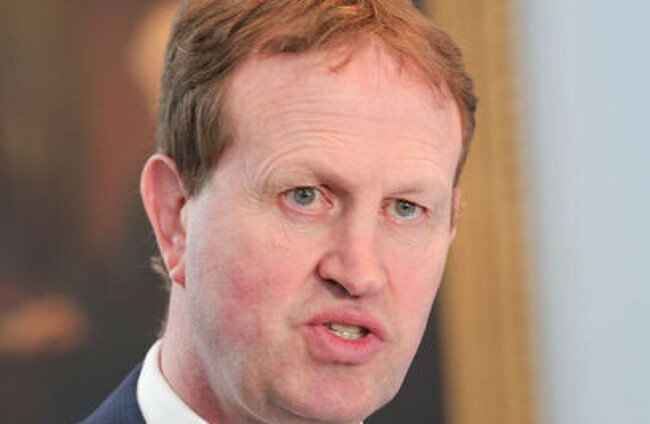
LEGISLATION ALLOWING for naturalised Irish citizenship to be revoked in serious cases is to be recommenced, by order of Justice Minister Jim O’Callaghan.
The minister has the power to revoke Irish citizenship granted by naturalisation under Section 19 of the Irish Nationality and Citizenship Act 1956.
However, a Supreme Court judgment in 2021 found that the process lacked some necessary safeguards, resulting in necessary amendments having to be made to the law.
The minister has now signed the commencement order of that legislation, re-establishing the revocation process effective from 7 April 2025.
“The signing of this order reestablishes the important and necessary power to revoke naturalised Irish citizenship.
“Where citizenship has been obtained fraudulently or when an individual poses a serious risk or threat to the State, it is essential that the power to remove the citizenship which has been granted to them is there,” said the justice minister.
“The order is not designed to disadvantage or be punitive against naturalised Irish citizens. It does, however, provide repercussions and remedy when citizenship is acquired by fraudulent means, or when a person poses a serious threat to our society,” he added.
O’Callaghan added: “Revocation of Irish citizenship is only undertaken in the most serious of circumstances and I am aware that the loss of citizenship has serious consequences.”
The revocation of citizenship has been used sparingly in the past, fewer than 10 times since 1956, the Dáil was told last year. The revocation is only done “in the most serious of circumstances” including fraudulent acquisition of citizenship and terrorist activity, former Minister Helen McEntee said at the time.
The Irish Human Rights and Equality Commission (IHREC) has said it “regrets” the decision, “particularly given the momentous impact it will have on the lives of those it affects, including the risk of rendering some of them stateless”.
IHREC said it is concerned that the legislation has the potential to empower any Minister for Justice “to use revocation of naturalised citizenship in inappropriate or disproportionate circumstances”.
It said the Government “rushed this legislation” through the Oireachtas in eight days last July, adding that it had engaged with then-justice minister Helen McEntee last summer and urged her to delay its enactment until Autumn “to allow for proper legislative scrutiny before enactment, and the introduction of appropriate safeguards”.
“While Minister McEntee had proceeded to nevertheless enact the law, the Commission had been heartened by the fact that the decision had been taken not to commence it and bring it into effect,” IHREC said.
“In the Commission’s view the Government’s approach and this new law raises serious rule of law concerns, in relation to the application of law to a cohort of Irish citizens, namely those who are Irish by naturalisation rather than birth.
In our view, as these new provisions enter into force, further litigation is inevitable.
IHREC also said that the legislation of this nature “does not engender confidence in our system of revocation – particularly for our fellow citizens who are Irish by naturalisation”.
Chief Commissioner Liam Herrick said: “Any legal framework for revoking Irish citizenship must be grounded in principles of proportionality and fair procedures, particularly for our fellow citizens who are Irish by naturalisation. Unfortunately, this law does not meet these standards.”

To embed this post, copy the code below on your site














have your say