Sign in. It’s quick, free and it’s up to you.
An account is an optional way to support the work we do. Find out more.
Sign in. It’s quick, free and it’s up to you.
An account is an optional way to support the work we do. Find out more.
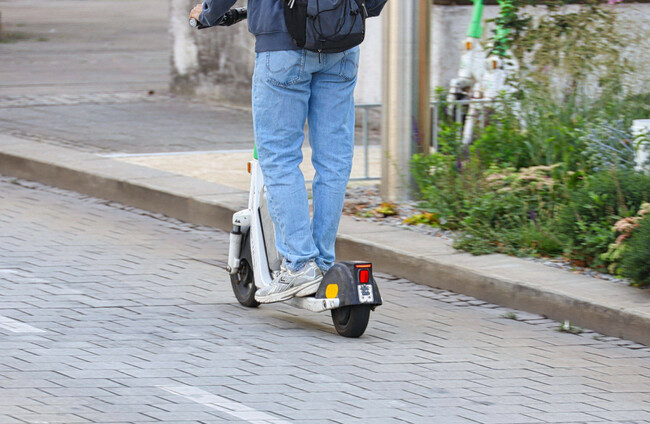
EMERGENCY DEPARTMENT PRESENTATIONS linked to e-scooters and e-bikes have risen sharply at the Mater Hospital, according to unpublished data from the emergency department due to be presented to the Oireachtas justice committee later today.
Dr Shane Broderick, a consultant at the Mater, will tell the committee that emergency department presentations relating to these vehicles have roughly doubled in recent years.
E-scooter related injuries have risen from 173 in 2021 to 309 last year.
E-bike related admissions are even higher, more than doubling from 53 in 2024 to 115 in 2025. In the first half of this year alone, 76 people have presented to the Mater’s A&E following an e-bike related incident.
Following the rise in children being admitted to hospital with severe brain injuries, the government banned the use of e-scooters for under 18s, which will come into effect next month.
But there are concerns that this is not enough. Paula Butterly, deputy chair of the justice committee, told The Journal that tackling the use of e-scooters and associated vehicles involves a “multi-faceted approach”.
“There’s never one solution to one problem… parents have to take a certain sense of responsibility here. At the end of the day, not very many children… are in a position to go in and buy these scooters or scramblers for themselves.”
She also said that there is an “absolute need” for a program to be rolled out in schools to make children aware of the dangers of e-scooters, e-bikes and scramblers.
According to Broderick, e-scooters are now the leading cause of paediatric brain injury admission to the national neurosurgical centre, with 18 children admitted last year, an increase of 50%.
Between July 2021 and June 2023, 30 children were admitted to the Mater with an e-scooter brain injury. The vast majority had a skull fracture, and nearly half needed intensive care and emergency brain surgery.
In these cases, the average stay in hospital is just under three weeks. 40% of children have cognitive difficulties a month later.
Of the 380 adults admitted in the same time period with an e-scooter injury, 11 had bleeding on the brain.
While the number of admissions relating to scrambler incidents is lower, the nature of the injury is often more serious. Over a quarter of people who present to A&E with injuries caused by scramblers were admitted to hospital for further treatment including operations, critical care, or rehabilitation.
Broderick told The Journal that injuries include limb fractures, spinal fractures, and organ injury, such as to the spleen and liver. In some cases, there is severe traumatic brain injury, which requires the intervention of a neurosurgeon.
In April, Grace’s Law came into effect, which bans the use of scrambler bikes and quad bikes in public places. It was named after Grace Lynch, who was killed by a scrambler bike in Finglas, Co Dublin in January this year.
Dr Luke Phillips, consultant at the Mater Hospital, is also expected to tell the committee that while they welcome Grace’s Law, they are also recommending further legislation, including banning the import and sale of these vehicles, mandatory vehicle registration, and “real enforcement” of age limits and the use of protective equipment.
The committee meeting will take place at 3pm today.
To embed this post, copy the code below on your site














have your say