Sign in. It’s quick, free and it’s up to you.
An account is an optional way to support the work we do. Find out more.
Sign in. It’s quick, free and it’s up to you.
An account is an optional way to support the work we do. Find out more.
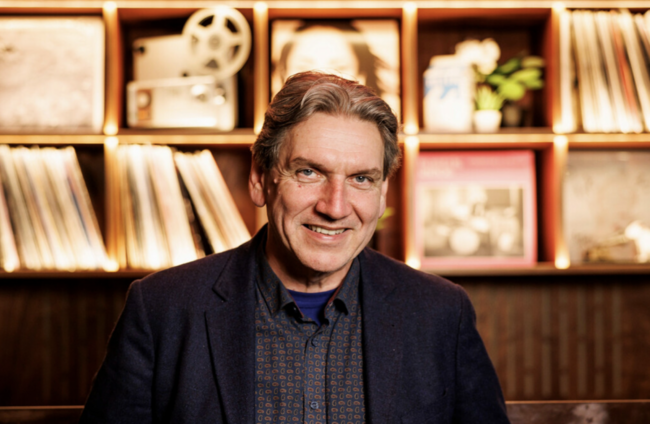
SEÁN ROCKS’ WIDOW Catherine Bailey has said a misclassification of her late partner’s role at RTÉ has left herself and her two young children in a “very disadvantaged” position financially.
Rocks, who passed away aged 64 last July, was a veteran presenter and producer for RTÉ Radio 1 and best known for his 16 years of work on Arena, an arts and culture show that aired on weeknights.
It has emerged that he was being paid a producer salary and only had an additional allowance in respect of his presenting duties, which wasn’t included in his pensionable pay.
Speaking on RTÉ’s Today with David McCullagh this morning, Bailey said “the amount in [Rock's] pension pot had no reflection at all on the years he had spent in service of RTÉ”.
“Seán has worked in RTÉ since the year 2000, where he started in Lyric FM, and the pension doesn’t remotely reflect that. There’s no comparison between what he got in his salary and his pension.”
“We’re very disadvantaged financially because of this, particularly in missing out on those pension payments over the years… I’m a single mother now with two very young children left in this precarious situation,” she said.
“My children are very young, and going forward I need this money for their future, and I think Sean would have wanted them to be looked after.”
“Seán deserved better,” she added in this morning’s emotional interview.
RTÉ said: “Sean Rocks was employed as a presenter with RTÉ from 2010 until his untimely death in 2025.”
“As previously mentioned, we have engaged with Catherine Bailey frequently since then with respect to her entitlements under RTÉ’s Group Life scheme for all employees and Sean’s pension payment and we remain available to meet with her. We continue to express our deepest condolences to Catherine and the rest of the Rocks family.”
Yesterday Bakhurst was urged by members of the Oireachtas media committee to intervene, if at all possible, in the financial situation facing the family of the late presenter.
Bakhurst said he had spoken with Bailey and that he had lots of “sympathy” with her situation. However, he emphasised that many people within the broadcaster currently have the same salary situation.
“There needs to be one rule for everyone in the organisation,” Bakhurst stressed.
Speaking today, Bailey said: “Clearly there wasn’t a one rule fits all”.
“Seán was treated differently, you can’t argue that financially he was treated very, very differently to other presenters. He couldn’t work out why, he was so celebrated as a broadcaster, so hardworking, so committed and loyal to the organisation.”
Bailey said she would like to meet Bakhurst personally to discuss these issues.
“We’ve never met face-to-face, try and understand and work out why this happened. How could somebody work in RTÉ for nearly a quarter of a century, and at the end for their pension, what’s in it is totally unreflective of their career in RTÉ, it’s just beggars belief.”
“Seán did his job to the best of his ability, but all he got was his RTÉ income, and we heavily relied on that. He got a very modest wage.”
In a letter to RTÉ staff today, Bakhurst said: “I wanted to acknowledge some of the issues which have arisen in relation to our much-loved colleague Seán Rocks.”
“Seán was employed (and classified) as a presenter with RTÉ from 2010 until his untimely death in 2025. He was deeply respected in RTÉ and beyond, and his loss is still felt right across the organisation. This was very clear in the interview I listened to this morning with Seán’s partner, Catherine Bailey, on Today with David McCullagh on RTÉ Radio 1.”
Bakhurst said he frequently meets with individuals who wish to discuss their contractual situations and related benefits and said he is happy to meet again with Bailey.
“But I am limited in terms of my ability to intervene on behalf of individuals or to make specific requests in relation to individual cases, as much as I may want to,” he added.
“I hope and believe that when we deal with bereaved family members, we do so with compassion and understanding. Having said that, we can always do better and we remain committed to doing so.”

To embed this post, copy the code below on your site












have your say