Sign in. It’s quick, free and it’s up to you.
An account is an optional way to support the work we do. Find out more.
Sign in. It’s quick, free and it’s up to you.
An account is an optional way to support the work we do. Find out more.
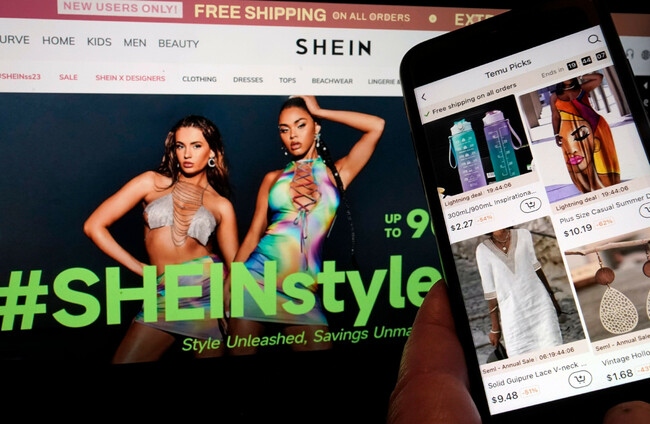
IRISH CHARITY SHOPS are seeing an influx of donations of garments bought from the fast fashion brand Shein, many of which have never been worn and still have tags on.
It’s the byproduct of Irish shoppers’ “hauls” of ultra cheap clothes from the online retail giant – which was revealed yesterday to be selling clothes made by workers who often get just one day off per month.
A BBC investigation found many workers in Guangzhou in China were behind their sewing machines for 75 hours a week, trying to make a living from piecework in factories that are part of the Shein supply chain.
Mark Sweeney, chairman of Charity Retail Ireland, which represents 43 charities with 420 shops across the island, urged people to “be more considerate about what they buy…to think before they purchase”.
Sweeney said donations were always welcomed, but the influx of low quality, ultra cheap clothes, sold at further discounts in charity shops, was undermining charities’ efforts to raise funds.
In a statement Shein said it was committed to ensuring “fair and dignified treatment of all workers” and was investing “tens of millions of dollars” in strengthening governance and compliance, as well as working with auditors.
Fianna Fáil MEP Barry Andrews said Shein should “never have been permitted” to locate its Europe, Middle East and Africa headquarters in Dublin. Then Minister for Enterprise Simon Coveney launched Shein’s Dublin base in May 2023.
The Department of Enterprise last night defended supporting Shein to base operations here, stating that the IDA, the state’s inward investment agency, had “sought and received assurances in relation to the company’s commitment to environmental sustainability”.
The Department said Shein had also “stated it has signed international pledges and committed funding to improve worker conditions in its partner companies”.
The Department said Shein was “a signatory to the United Nations Global Compact Agreement and supports the ten principles focused on human rights, labour, environment, and anti-corruption”, and told The Journal any further queries should be directed to Shein.
Barry Andrews said the forthcoming programme for government should enshrine commitments to uphold EU laws aimed at combating exploitation and environmental damage.
“It is shameful that just last week, Shein’s general counsel refused to comment on serious allegations surrounding the company’s exploitation of Uyghur-produced cotton when questioned in the UK’s House of Commons,” Andrews told The Journal.
At charity shops in Dublin city centre yesterday, it didn’t take long flicking through the clothes rails to find garments from Shein with tags still on.
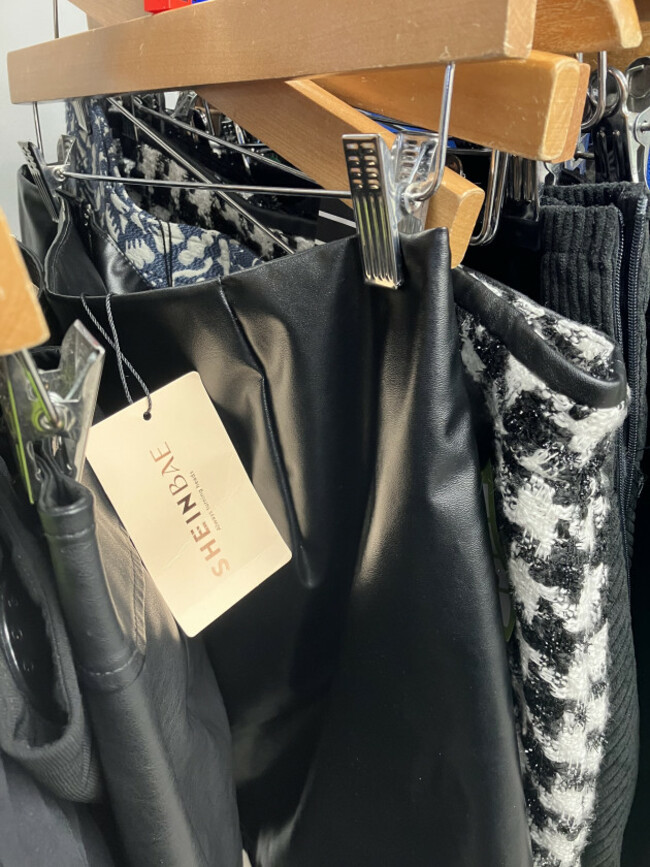
However, Shein was by no means the only fast fashion or high street brand well represented on the rails, with many garments from H&M, Zara, Asos, River Island, Stradivarius, Boohoo and – in particular – Penneys present also, including items with tags on.
Few of these brands, however, are as cheap to buy new as Shein, which offers many types of jeans for €15 or less, dresses for half that, and tops for less again.
Mark Sweeney of Charity Retail Ireland said it was striking how much clothing from Shein arrived into charity shops with tags still on.
“Shein is not a clothing company, it’s a tech company and it works off algorithms and produces what they want,” Sweeney said.
He said Shein gave consumers the “ease of being able to buy something that’s extremely cheap”.
“It arrives on your doorstep, you don’t like the look of it, you don’t like how it fits, and the easy thing for you to do is just pop it into a charity shop – and we have seen a massive influx.”
This influx of low quality clothes “causes a lot of problems for charities”, Sweeney said.
If a Shein t-shirt, for example, is €2.50 new, a charity shop may only be able to sell it for €1.
“What people have to realise is that charity shops have to raise funds so putting a Shein low quality t-shirt out for €1, if anyone would even buy it, is not worth putting it out on display,” Sweeney said.
As such, some low quality clothes donated to charity shops end up being sent for recyling – but because they are made of mixed fibres, they are difficult to recycle, increasing the likelihood that they will end up as waste.
“You’d prefer to get Primark than you would to get Shein or Temu, that’s the level it has got to,” Sweeney said.
In a statement to The Journal, Shein characterised its model as “on-demand…based on real-time insights and product performance”.
“We respond to customer demand with agility, ensuring that we deliver only what customers actually want,” Shein said.
The Singapore-headquartered company said its model entails “testing new products by launching them in small initial batches of 100 to 200 items, evaluating customer feedback in real time, and restocking products that are in demand”.
“This reduces inefficiency, helps us to lower wastage of material, and helps us maintain consistently low levels of unsold inventory.”
Sweeney said there has been a huge increase in the number of people shopping in charity shops since the pandemic, but this means charity shops need to be even more considerate of their customers, who “don’t want to walk into a charity shop and see it full of Shein”.
He said all items donated will be always be considered for resale, and donations are always welcome. Clothes that can’t be sold by the shops are sent to companies which sort them for resale abroad or for ragging or other recycling, wherever possible.
Charity Retail Ireland has reported that the quality of textiles it receives has greatly decreased with the rise of Shein and its rival Temu.
Shein pays for sponsored posts on Google, meaning it is very often at the top of search results when customers go to buy clothes online.
The company charges €4.50 for returns from Ireland, so customers who have purchased cheap items may find it just as convenient to drop unwanted purchases to a charity shop.
Shein is not alone in charging for returns. Its fast fashion competitor Boohoo charges €3.99, while at the more expensive end of the high street, H&M-owned Other Stories, for example, charges €4, which it says is a deterrant against the environmental impact of freight from unnecessary purchases and returns.
On social media platforms, users post videos trying on and modelling “hauls” of new clothes they have bought online, with Shein often featured.
With prices for a women’s t-shirt starting at €1.37, Shein is among the accessible brands for a “haul” of new clothes. The ultra low prices also facilitate buying more than one size.

To embed this post, copy the code below on your site














have your say