Sign in. It’s quick, free and it’s up to you.
An account is an optional way to support the work we do. Find out more.
Sign in. It’s quick, free and it’s up to you.
An account is an optional way to support the work we do. Find out more.

THE NUMBER OF women enrolled in Springboard’s computer or IT courses is at 27%, which is almost double that entering through the CAO system to mainstream IT courses (which stands at 15%).
Springboard, which provides free higher education for the unemployed, was designed to help reskill people who lost their jobs as a result of the recession, and is funded by the Irish government and the European Social Fund.
One of Springboard’s quarterly assessments included this testimony from Sinead Finn:
“Three months after finishing my Springboard+ course I gained employment. It has worked out really well for me.
“Without Springboard I am not sure I would have had the confidence to go into another position as quickly. The course gives you the opportunity to upskill, to meet new people and to meet new companies.”
This, however, must be compared with figures in their quarterly assessment which show that the number of participants who are long term unemployed are increasing.
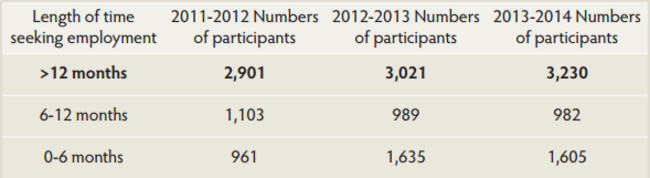
In the first year of Springboard, 2,901 participants had been out of work for 12 months or more. This number rose to 3,201 in 2012-2013 and to 3,250 in 2013-2014.
Ireland’s overall level of longterm unemployment is decreasing – earlier this year it hit its highest level of employment since mid-2008 – with more than 2 million recorded in work.
The long-term jobless rate has dropped from 5% to 4.2% over the year to the third quarter of 2016.
A report to be launched this week by Minister Skills and Training Minister John Halligan will evaluate the function and effectiveness of the Springboard programme from 2011-2016.

Some of the findings of the report, entitled ‘Developing Talent, Changing Lives’, are:
According to Springboard’s report for July – September, the quality of employment is also high – with 62% of respondents in managerial or professional roles, and 85% of those who are employed are in full-time jobs.

To embed this post, copy the code below on your site















have your say