Sign in. It’s quick, free and it’s up to you.
An account is an optional way to support the work we do. Find out more.
Sign in. It’s quick, free and it’s up to you.
An account is an optional way to support the work we do. Find out more.
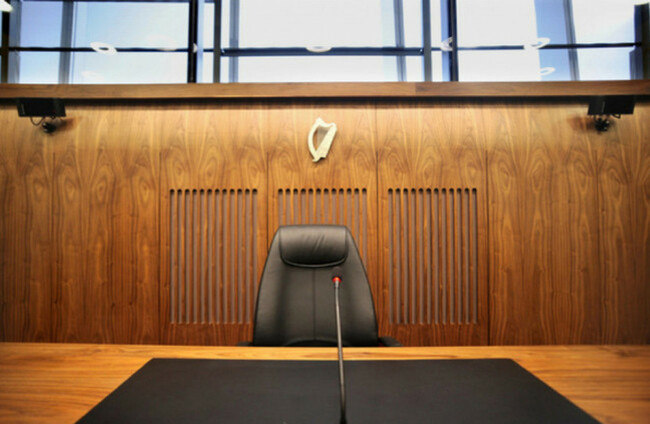
A NEW STUDY suggests that defendants and complainants in criminal sexual assault trails are equally likely to distort details and absorb false or misleading claims from other people about the incident.
Researchers from University College Dublin (UCD) and University College Cork (UCC) sought to challenge long-held assumptions about memory-led evidence in legal cases.
Associate Professors Ciara Greene, of UCD’s School of Psychology, and Gillian Murphy, of UCC’s School of Applied Psychology, said many legal cases around sexual assault incidents often rely on the recollections of the people involved as evidence.
This, they said, can often lead to victims being treated as unreliable narrators, while there is less of a focus on the account of the accused.
More than 1,300 people participated in a study, which presented them with a fictional first-person simulation of a date that ended in sex. The study included male and female victims and perpetrators, but memory distortion effects were not affected by gender.
Regardless of what version of the video they had seen, participants were then presented with the same misinformation about the case shortly after. They were then split into two groups and were shown false recollections of the events from the video, respectively.
In one example, a barman said the accused was plying the victim with drinks, but the video showed nothing of the sort. Researchers noted that, in all test groups, the participants were likely to absorb false statements and later believe them to be true.
The completed study, published in Nature’s Scientific Reports this week, also found that participants playing the roles of defendants and complainants in the case were equally likely to misremember the details of events leading up to the sexual encounter.
Green and Murphy’s study – named ‘He Said, She Said’ – found that both parties are often are influenced by the false recollections of witnesses involved in the case.
Greene said: “We hope that this study will encourage people to re-examine their assumptions regarding the role of memory in sexual assault cases.”
Murphy said that their work stresses that “our memories mostly serve us very well and provide a good account of our experiences, but they can sometimes be prone to error, no matter what side of the courtroom you’re on”.

To embed this post, copy the code below on your site













have your say