Sign in. It’s quick, free and it’s up to you.
An account is an optional way to support the work we do. Find out more.
Sign in. It’s quick, free and it’s up to you.
An account is an optional way to support the work we do. Find out more.
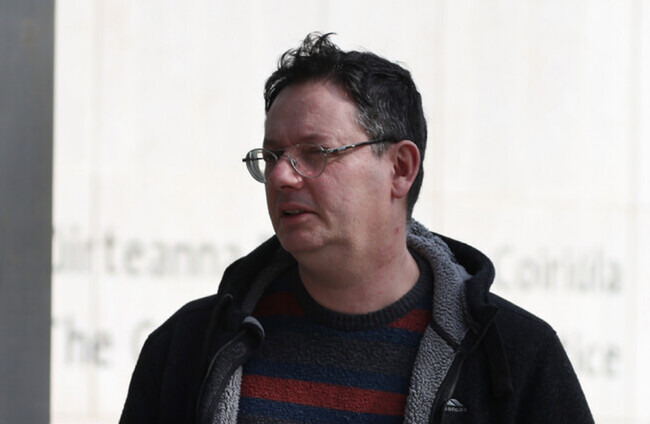
PROSECUTORS HAVE TWO weeks to produce the book of evidence for an archaeology lecturer accused of hacking students’ personal data and harassment, or the case involving over 100 alleged victims will be struck out.
University College Dublin (UCD) assistant professor Dr Stephen Davis (53) is accused of using “a piece of software to steal students’ passwords and access their accounts”.
Davis, who is British but has an address at Elgin Wood, Killarney Road, Bray, Co Wicklow, allegedly harassed about 50 students, but the case involves overall more than 100 complainants.
He appeared again at Dublin District Court on Friday.
The prosecution follows a Garda National Cyber Crime Bureau (GNCCB) probe that began in 2023 into the use of malicious software (malware).
The academic faces 148 charges in total, including multiple counts of harassment and breaches of sections 2 and 8(1) of the Criminal Justice (Offences Relating to Information Systems) Act 2017.
Under information systems-related offences, it is alleged that he “did without lawful authority or reasonable excuse, intentionally access an information system by infringing a security measure”.
The offences are said to have taken place at various locations, including the UCD campus, Belfield, Donnybrook, Dublin 4; a university office; and his home address on various dates in 2023.
He has not yet entered a plea.
The Director of Public Prosecutions (DPP) had directed trial on indictment in the Circuit Court, which has wider sentencing powers. Gardaí were due to serve him with a book of evidence on Friday.
However, Judge Karen Dowling noted from State solicitor Mark Donnelly that while it had been completed, it was still being typed and the State asked for a short adjournment.
Defence counsel Noah Rossiter objected, stressing that this was the third occasion the matter had been listed for the book of evidence and a trial order; the case had commenced in March, and the DPP’s direction had been issued at the outset.
He added that his client was interviewed last year, the investigation went back three years, and it was not in the interest of justice to extend time for the State.
Counsel said he is privately retained, and the legal aid dispute did not impact the case.
He applied for a strike out over the delay.
“The amount of [charge] sheets your client has before the court, it seems like it was an extensive investigation,” replied Judge Dowling.
Donnelly resisted the defence request for a strike out. He cited the complexity of the case where the evidence involves both compromised personal information and personal information that remains private.
He added that the prosecution has to go through it with “a fine-tooth comb” as to what could be used and what should be redacted.
Judge Dowling refused to strike out the case but marked it peremptory against the State, so the book of evidence must be ready in two weeks.
Davis was remanded on continuing bail.
Earlier, Detective Garda Colin Noonan told the court that the accused faces 51 harassment charges under section 10 of the Non-Fatal Offences Against the Person Act and 96 charges of unlawfully accessing an information system.
The final charge relates to unlawfully using software to access an information system.
Garda Noonan alleged that the case involved UCD campus accounts and the “use of a piece of software to steal students’ passwords and access their accounts”.
The more serious charges relate to the nature of personal material stolen.
As part of his conditions, he has surrendered his passport, must sign on two days a week at his local garda station, and must remain away from the library in Bray.
To embed this post, copy the code below on your site









have your say