We need your help now

Support from readers like you keeps The Journal open.

You are visiting us because we have something you value. Independent, unbiased news that tells the truth. Advertising revenue goes some way to support our mission, but this year it has not been enough.

If you've seen value in our reporting, please contribute what you can, so we can continue to produce accurate and meaningful journalism. For everyone who needs it.

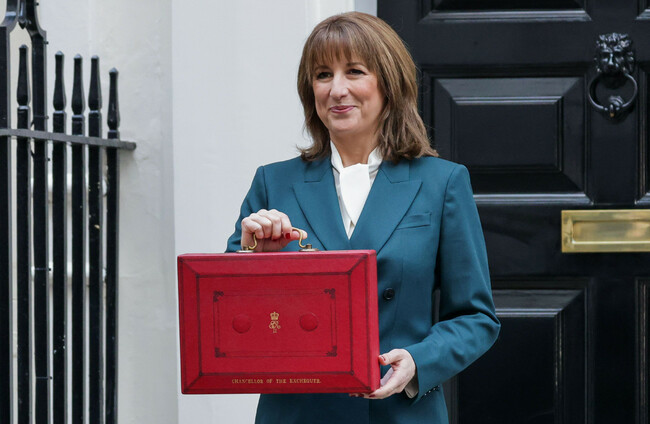
Chancellor of the UK exchequer Rachel Reeves ahead of delivering her budget last week. Alamy Stock Photo

UK tightens loophole allowing Irish savers to get a pension on the cheap - here's what we know

The chancellor of the exchequer, Rachel Reeves, said it’s about being fairer to British taxpayers.

THE UK GOVERNMENT has announced the closure of a loophole that has for years let Irish people who once worked there to claim a British state pension with very inexpensive contributions.

The chancellor of the exchequer, Rachel Reeves, mentioned the change to the pension system in her budget announcement last Wednesday, saying that “taxpayers’ money should not be spent on pensions for people abroad… who only lived here for a couple of years and may never even have paid a penny of tax”. 

The impact of the change on Irish people was first reported by the Irish Independent

What is the current situation?

The arrangement has made it possible for people who had worked in the UK for three years in a row but then left the country to top up their pension years through purchasing voluntary national insurance contributions (VNICs). 

They were able to buy these at a “class two” rate. This is a relatively inexpensive rate – just £182 (€207.12) for the current UK tax year.

In order to qualify for the lower rate, under the outgoing rules, people had to have been working up until their departure from the UK and to have worked outside the UK after that. 

What’s changing? 

Reeves said that she would abolish access to “class two” rate for people living outside the UK and increase the time that someone has to have lived or worked in Britain to ten years, a significant increase from the current three-year requirement. 

Now, people will have to pay the “class three rate” of £923 (€1049.09) a year – more than five times higher than many people were paying until now.

The changes will come into effect on 6 April next year, meaning that if Irish people who previously worked in the UK want to continue to pay voluntary contributions after that date, they will have to pay the higher rate.


Readers like you are keeping these stories free for everyone...
Our Explainer articles bring context and explanations in plain language to help make sense of complex issues. We're asking readers like you to support us so we can continue to provide helpful context to everyone, regardless of their ability to pay.

Close
36 Comments
This is YOUR comments community. Stay civil, stay constructive, stay on topic. Please familiarise yourself with our comments policy here before taking part.
Leave a Comment
    Submit a report
    Please help us understand how this comment violates our community guidelines.
    Thank you for the feedback
    Your feedback has been sent to our team for review.

    Leave a commentcancel

     
    JournalTv
    News in 60 seconds