Sign in. It’s quick, free and it’s up to you.
An account is an optional way to support the work we do. Find out more.
Sign in. It’s quick, free and it’s up to you.
An account is an optional way to support the work we do. Find out more.
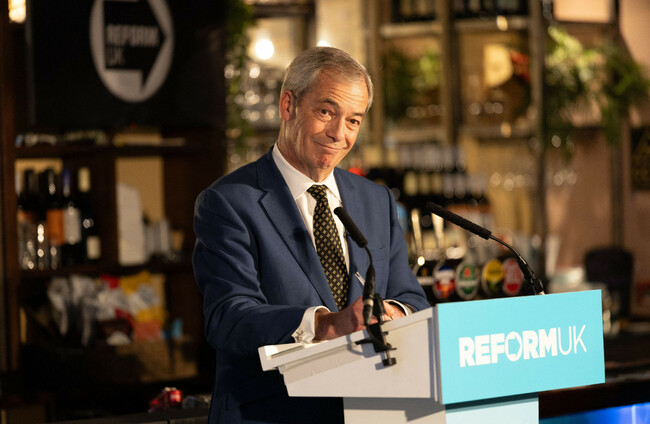
RESULTS ARE STILL pouring in across England in the council elections and parliamentary elections in Scotland and Wales, but one thing is clear so far: Labour and the Conservatives have taken a battering.
Counting will continue on Saturday in some constituencies, but a decent picture of the current political landscape in Britain is already beginning to emerge.
Here are the five key things you need to know (for now) to keep you up to speed.
At the time of writing, Nigel Farage’s right-wing nationalist party Reform UK has picked up over 600 new council seats and won control of four councils, achieving a vote share of circa 30% so far – significantly more than Labour, the Conservatives, the Greens and the Liberal Democrats, all of whom are between 10 and 20%.
In the wards won by Reform, analysis by the BBC has shown that average turnout was up 10 percentage points compared to the last election, showing that the party has been able to mobilise a section of the electorate that was not previously engaged.
It is an astounding result for a party that was founded less than a decade ago (2018).
Farage himself said his party’s gains mark a “truly historic shift in UK politics”, and many commentators say it now puts him in a position to become prime minister of the UK if his party can hold this level of popularity through to the next general election.
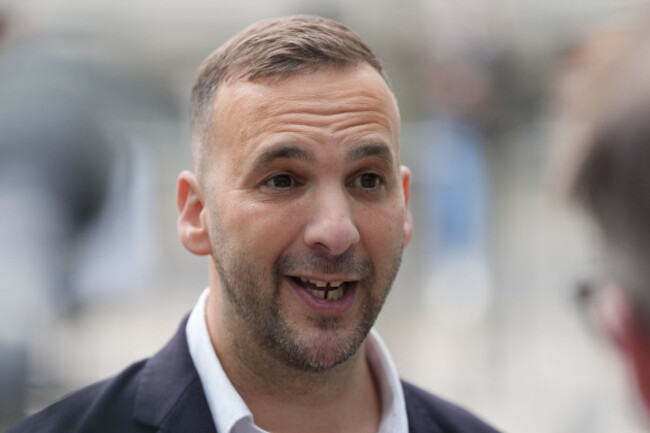
Green leader Zack Polanski’s popularity took a dip recently following controversy over his response to a terror attack targeting Jewish people in Golders Green, but despite this it has still been a historic day for his party at the ballot box.
So far, the Greens’ share of votes is up across England with 32% in Reading, 31% in Exeter and 29% in Oxford.
In Wales, the Welsh Green Party leader Anthony Slaughter has made history and won the first-ever Green seat in the Senedd (the Welsh parliament).
Speaking earlier, Polanski declared the era of two-party politics “is not just dying, it is dead and it is buried”.
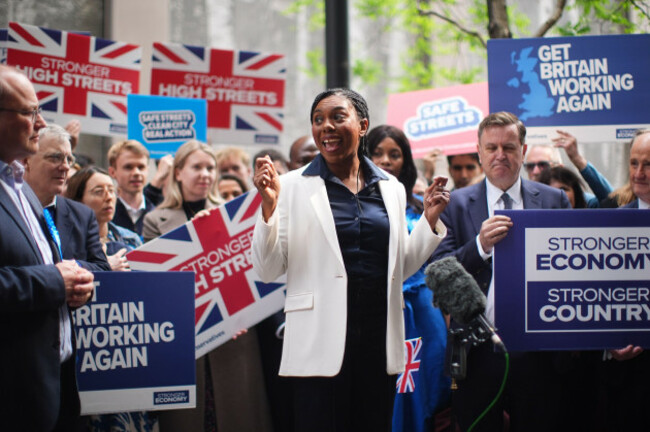
At the time of writing, Labour has lost over 500 council seats while the Tories have lost over 300.
It’s not been a good day for either party, with both leaking voters to Reform, the Greens and the Lib Dems.
But while things remain on a downward trajectory for the Tories under Kemi Badenoch’s leadership, the party has seen strong performances in parts of London.
Badenoch has been trying to put a less-than-convincing positive slant on things, arguing the Conservatives are showing “signs of renewal” in these local elections.
People aren’t buying it.
For Labour, all eyes are now on Keir Starmer and his leadership.
The PM conceded early today that the results are “very tough” and said it would be a time for his party to “reflect”.
He has said he will not resign despite the heavy losses.
It’s worth noting, though, that so far it has just been the usual voices in the party calling for Starmer to go. Things will change if any ministers start calling for his head.
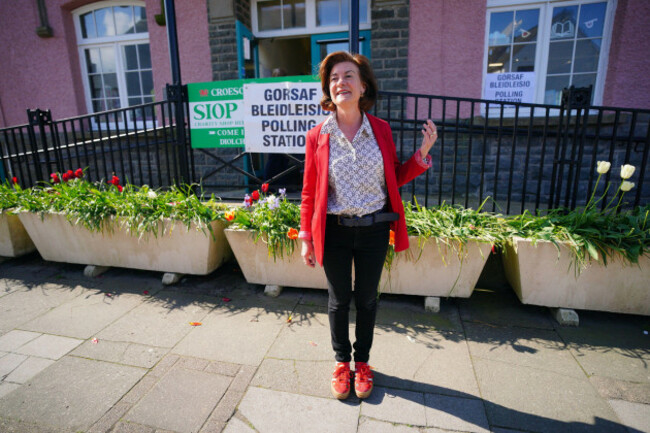
Labour’s defeat in Wales can only be described as staggering.
This election represents the biggest shake-up of the Welsh parliament since powers began to be transferred from Westminster in 1999. The number of members of the Senedd (MSs) will be expanded from the current 60 to 96 representatives as 16 new constituencies are created.
As one BBC commentator succinctly put it earlier: Labour has lost Wales for the ‘first time since David Attenborough was a toddler’.
First Minister and Welsh Labour leader, Eluned Morgan, has lost her seat.
It is a historic loss for Starmer’s party as Labour drops to third place behind Reform, with the centre-left nationalist party, Plaid Cymru, in the lead so far.
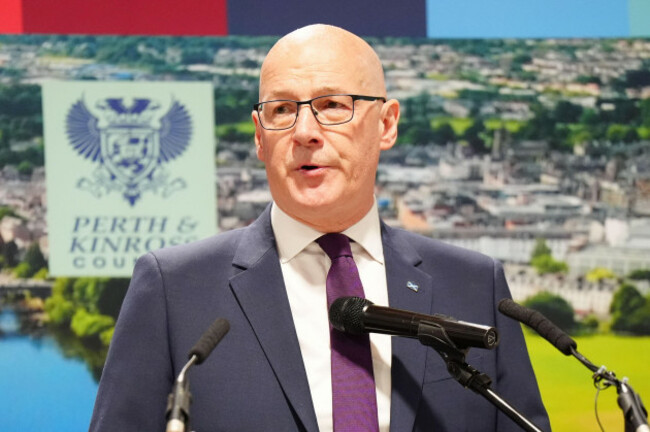
Up in Scotland, the BBC is forecasting that the Scottish National Party (SNP) will end the election as Scotland’s largest party, but will fall short of a majority, with between 60 and 63 constituency seats.
First minister and SNP party leader John Swinney has already claimed victory: “It is becoming clear that the SNP will emerge as the largest party”.
Meanwhile, Scottish Labour leader Anas Sarwar accepted defeat: “We made an argument for change and ultimately, it’s an argument we lost.”
For the first time in history, Scotland, Wales and Northern Ireland will simultaneously be controlled by nationalist politicians after this election.

To embed this post, copy the code below on your site






have your say