Sign in. It’s quick, free and it’s up to you.
An account is an optional way to support the work we do. Find out more.
Sign in. It’s quick, free and it’s up to you.
An account is an optional way to support the work we do. Find out more.
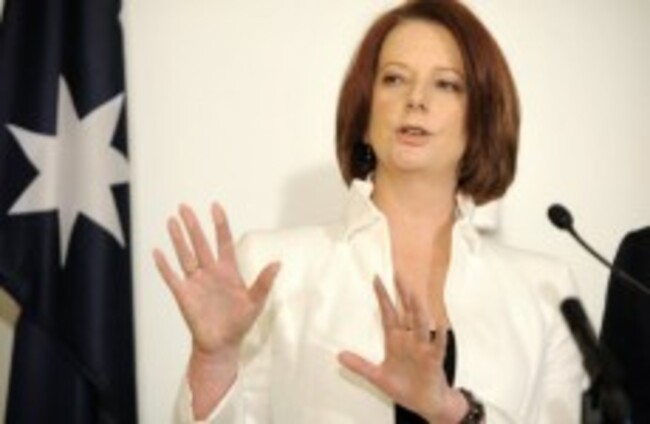
THE PRIME MINISTER of Australia has confirmed that she will back the installation of a controversial internet filter, despite protestations from critics who are accusing her of censorship.
Julia Gillard has said that the proposed filter is driven by a “moral question”.
The proposed filter would be administered by internet service providers (ISPs) and would block access to images and material relating to rape, drug use, bestiality, detailed instruction in crime, child sex abuse, and material that advocates terrorism.
Speaking at the Queensland Media Club in Brisbane, Gillard said:
My fundamental outlook is this: it is unlawful for me as an adult to go to a cinema and watch certain sorts of content, it’s unlawful and we believe it to be wrong.
If we accept that then it seems to me that the moral question is not changed by the medium that the images come through.
The plan has drawn criticisms both domestically and abroad, with the US State Department expressing concern.
An online group, the Digital Liberty Coalition, have blasted the move saying that the filters which the government plans to use are of “questionable accuracy” and that they will slow the internet down by an average of 30 per cent – or up to 80 per cent.
The group also says that the filter will “impact legal as well as illegal material”.
Unflattering comparisons have also been drawn with countries which impose severe internet censorship on citizens, such as China, Iran and Saudi Arabia.
Gillard said that the government is now considering how the internet filter could be implemented without slowing down connection speed or accidentally banning content that is appropriate – which is expected to take at least 12 months.

To embed this post, copy the code below on your site








have your say