Sign in. It’s quick, free and it’s up to you.
An account is an optional way to support the work we do. Find out more.
Sign in. It’s quick, free and it’s up to you.
An account is an optional way to support the work we do. Find out more.
THE PRESIDENTIAL ELECTION has officially wrapped up and Catherine Connolly has been elected the tenth President of Ireland.
Over the course of the campaign you may have heard mention of the Council of State, and who the candidates might choose to occupy the body if elected.
Catherine Connolly previously hit out at the suggestion, penned in an opinion column in The Irish Times early in her campaign, that were she elected, she would appoint Clare Daly and Mick Wallace.
Both Connolly and Heather Humphreys were asked who they would choose to appoint, but neither named names. Connolly did however say she would appoint someone to represent disabilities in Ireland.
But what is it? And who gets to be on it?
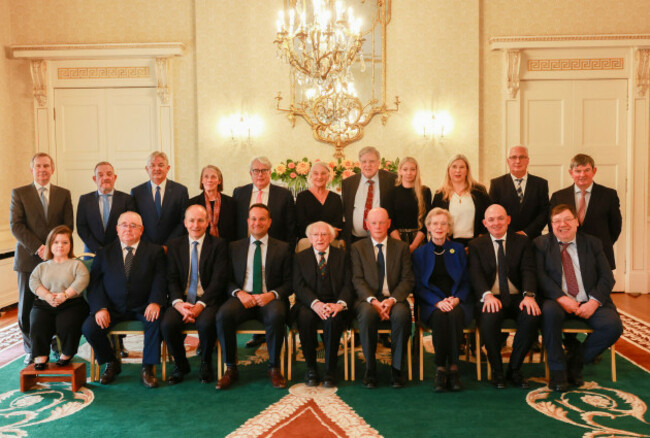
The constitution provides for a Council of State to advise the president on various matters. Before exercising any of the office’s powers, the president must convene a meeting of the body.
Although the role of President is a largely ceremonial one, there are some powers available. These powers allow for the President to communicate with elected officials on matters, address the nation, or refer a bill to the Supreme Court if it could be considered to be repugnant to the Constitution.
But these powers cannot be used without consultation with the Council of State, and in some cases, with the government as well (although there are some government members on the council).
The council must also be consulted before the President convenes a meeting of either or both Houses of the Oireachtas – although this has never actually happened.
On referring a bill to the Supreme Court, it is at the President’s own discretion to do so, although the council must also be consulted first. This is one of the President’s powers that has been used on multiple occasions, most recently in 2023.
There are two additional presidential powers that have never been used: proposals of national importance and referring money bills.
If the President wishes to resolve a dispute between the Dáil and Seanad over a money bill or if they wish to refer a bill to the people for a referendum, they would also need to be counselled by the Council.
These powers are all provided for by the Constitution but they’re also largely dormant.
Bunreacht na hÉireann states: “The President shall not exercise or perform any of the powers or functions which are by this Constitution expressed to be exercisable or performable by him after consultation with the Council of State unless, and on every occasion before so doing, he shall have convened a meeting of the Council of State and the members present at such meeting shall have been heard by him.”
There are three categories of members: Ex Officio, former office holders, and appointed members.
Ex Officio includes the Taoiseach, Tánaiste, Chief Justice, President of the Court of Appeal, President of the High Court, the Ceann Comhairle, Cathaoirleach of the Seanad, and the Attorney General. Essentially, if you hold one of those roles you’re on the council.
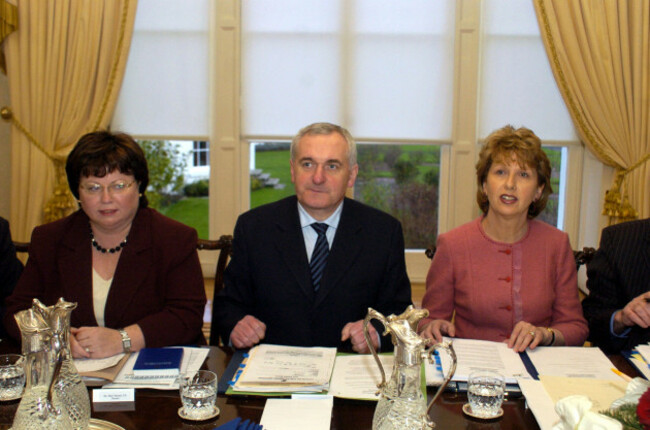
Former officer holders on the Council of State are defined as every person “able and willing to act” who has previously held office as President, Taoiseach, or Chief Justice. Bertie Ahern, Enda Kenny, Brian Cowan, Leo Varadkar, and Simon Harris are the former Taoisigh on incumbent President Micheal D Higgins’s council.
And finally, there may be up to seven members appointed to the council by the President. These people don’t have to be politicians or public representatives, but are often installed to diversify the viewpoint of the council.
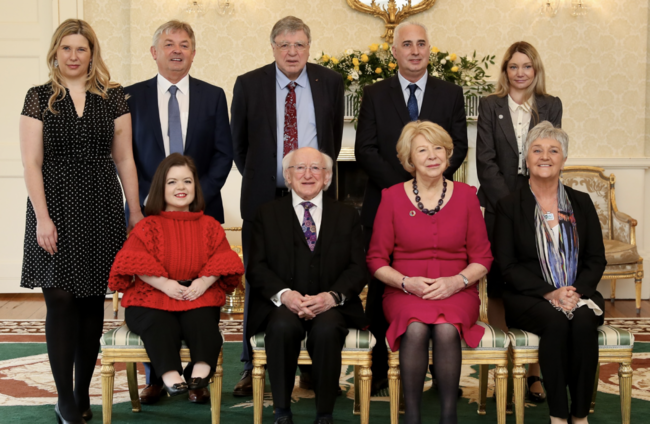
For example, Higgins’ seven appointed members to the Council of State include:
The three branches of members are supposed to represent a measured balance of the Irish public and the appointed members are also symbolic of areas that the president wishes to prioritise and represent throughout their mandate.
While the role of being a council member is relatively unpolitical, there have been times where former office holders who sit on the council have come under scrutiny: former Taoiseach Charles Haughey came under pressure to resign from the council after the McCracken Tribunal found in 1997 he had misled the tribunal.
Ultimately, Haughey did not resign but he did not attend another meeting, instead sending his apologies.

To embed this post, copy the code below on your site








have your say