Sign in. It’s quick, free and it’s up to you.
An account is an optional way to support the work we do. Find out more.
Sign in. It’s quick, free and it’s up to you.
An account is an optional way to support the work we do. Find out more.
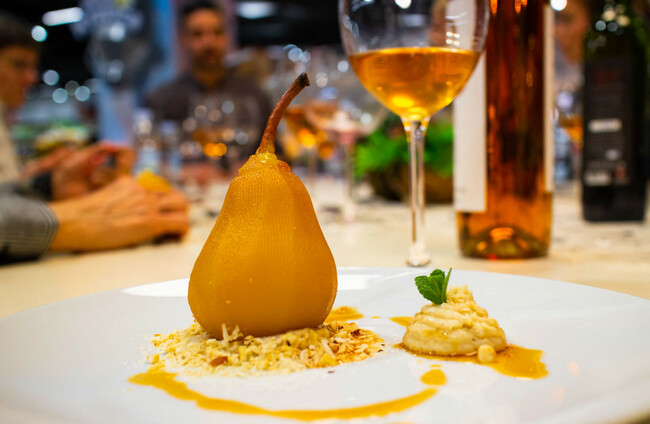

DON’T TELL ME you all have sophisticated palates enough to know and appreciate the differences between sweet wines. We’re all just bluffing when that menu lands, right?
It sounds so elegant, chic and a bit smug, ending the meal by wetting the whistle on a dainty little tipple, served in a pixie-sized glass. Your dining companions are mad impressed and the next door table is giving you the wink, seduced by your choice of sophisticated sip. Peak restaurant peacocking.
But who sat you down and held your hand as they told you the rules and regulations of what you were actually ordering? Because I dine in restaurants for a living and, if I’m honest, I still can’t really decipher between Sherry and Sauternes, Madeira and Muscat.
Does one belong more with blue cheese and another a soufflé? Do I look like an uncultured tramp if I confuse my Vin Santo and my Vin de Constance? Or a heathen if I ask for an ice cube dropped in my vintage Port?
I’m like the “I don’t know what a tracker mortgage is” fella from that Celtic Tiger-era financial services ad. For most of my adult life, if you told me Banyuls was an expensive Swiss watch brand and Sauternes was a car manufacturer I would have probably believed you. Many’s a tasting menu I’ve endured in my time or been offered a little A6 sheet of digestif options and started sweating, like a pop quiz sprung on you in the subject you’re terrible at.
It’s gone beyond just missing the memo: when did everyone enrol in oenology 101? I clearly missed the cal invite. Did your granny sit you on her knee and wax lyrical on the difference between PX and tawny port? At what age did you graduate from warm cans of Devil’s Bit skulled in a field to genuinely appreciating a Hungarian Tokaji with your fancy dessert?
It’s the most notion-y part of a meal, let’s face it. Having dropped beyond €200 quid on dinner between two, why not wash it all down with some vaguely floral syrup — acacia honey sweet, maple syrup thin, apple cider vinegar sharp — forgotten about in a dusty old barrel.
It’s not just knowing the name, though. You have to be more specific. No method marks awarded here. What age were you when you realised Port comes in white, ruby and tawny? And that sherry runs from bone-dry, nutty and saline Fino to raisin-sweet Pedro Ximénez, as luxuriously rich, spiced and intense as Christmas pudding. Let’s not even touch on German Trockenbeerenauslese.
When you really sit down and think about it, it dawns that you haven’t just missed a memo or a lesson; an entire syllabus has eluded you. I want to pick a nice glass I know I’ll enjoy, not defend a thesis.
That’s not to say dessert wines aren’t delectable, by the way. I’ve swilled many a liquid honey in a glass in my time. But when you consider the process behind some of the fanciest ones, it does get a little unsettling. Some are made from grapes infected with a “noble rot” fungus, which leaves the fruit to wither and rot on the vine before being taken off life support and put out of their sad, shrivelled misery. Delicious, and expensive.
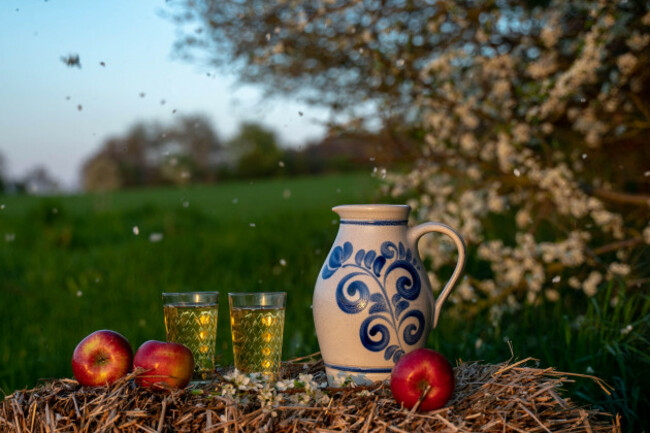
Others are fortified, which just means a whack load of brandy has been fecked into wine to make it boozier and boost the shelf life nearly to oblivion. Every time I think of sweet wine production, my mind wanders to Moira Rose’s wine commercial in Schitt’s Creek; “in the lee of a picturesque ridge, lies a small, unpretentious winery…”
And then there are also distinctions between digestifs. Sure, a dessert wine can be enjoyed entirely on its own, but is more commonly paired with a final course of a tasting menu. The bitter herbal liqueurs are an altogether different beast, designed more to be knocked back than to chase spoonfuls. These post-prandial assaults are aimed at the viking-stomached, who quite fancy finishing dinner by consuming something that tastes like it was produced in an 1800s apothecary to cure some historical ailment.
Fernet-Branca is like drinking petrol infused with rotten branches and woody herbs, and it’s genuinely suggested as a digestif at one of Dublin’s most popular neighbourhood restaurants.
Even though I’ve tried many, I have definitely flunked sweet wine 101. I fear at this stage I’m too late to board the train; the whole lot remains a mystery, and I have this niggling feeling others are in the same situation but not letting on. The more I languish outside the wine lovers’ WhatsApp group, which appreciates (and understands) it, the more I think it’s one big conspiracy and being a sweet wine snob is just another way to show off.
Patrick Hanlon is an Irish food, travel and culture journalist, and is one half of the award-winning duo GastroGays. He is the author of a new food column, The Feeder’s Digest at TheJournal.ie. More on Instagram.
To embed this post, copy the code below on your site

















have your say