Sign in. It’s quick, free and it’s up to you.
An account is an optional way to support the work we do. Find out more.
Sign in. It’s quick, free and it’s up to you.
An account is an optional way to support the work we do. Find out more.
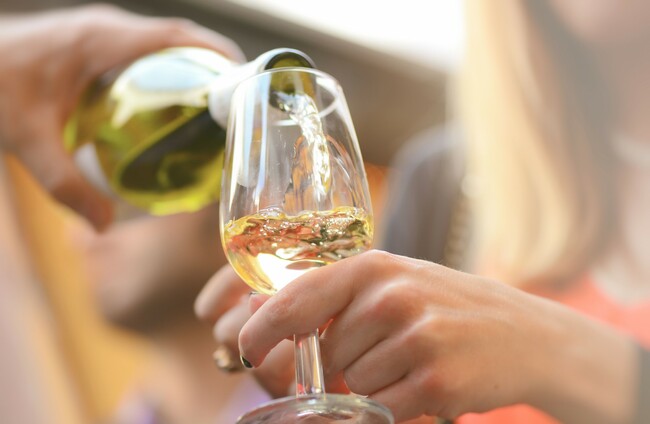
ALCOHOL ACTION IRELAND has called for Irish women to examine their drinking habits.
AAI said women are now drinking more alcohol, and more often, than previous generations. The organisation said this is leading to an increase in the number of young women presenting with serious alcohol-related conditions, such as liver cirrhosis, and a higher rate of alcohol-related cancers.
Catherine Keane, AAI’s head of policy and public affairs, said the organisation is using International Women’s Day to encourage women to be “fully informed when it comes to decisions around their alcohol consumption”.
Keane said women in Ireland are “constantly exposed to targeted alcohol marketing” from a young age.
While women are being bombarded with messages about how wonderful wine is or are being invited to take part in events like a ‘Bottomless Prosecco Brunch’, there is no mention of the other, very real side of alcohol consumption for female drinkers.
Keane said over-consumption of alcohol can have negative effects on both physical and mental health.
She stated that one in eight breast cancer cases in Ireland are associated with alcohol consumption, adding that the proportion of alcohol-related deaths from cancer among Irish women, at 37%, is higher than the European average of 31%.
Alcohol is widely promoted to women as a way to relax and de-stress, or a reward at the end of a long day, and, along with this, there is a widespread misconception that wine is somehow better for you than other types of alcohol, therefore making it appear more acceptable or even safe.
“Most importantly, alcohol can make it harder to cope with day-to-day stresses and it is particularly important not to turn to alcohol to help you cope. While you may feel some temporary relief, alcohol is a depressant and your mood drops quickly afterwards, ultimately making matters worse.”
The HSE lists the low-risk weekly alcohol guidelines for adults as:
Wine and spirits
The Health Research Board’s national alcohol diary found that almost one in ten women who completed the survey consumed more than the recommended weekly guidelines in a single day. This measure was highest in the 18 to 24 years age group, with one-in-five (22.5%) young women drinking more than the weekly guidelines in a single day.
Wine is the most common type of alcohol consumed by women aged over 25 years (58.9%), and spirits are the most common type of alcohol consumed by women aged 18 to 24 years (59.9%).
Keane called on newly-elected TDs to prioritise the implementation of the Public Health (Alcohol) Bill, which was approved by the government last December.
The bill aims to reduce alcohol consumption in Ireland to 9.1 litres per person per year by 2020, and to reduce the harms associated with alcohol.

To embed this post, copy the code below on your site














have your say