Sign in. It’s quick, free and it’s up to you.
An account is an optional way to support the work we do. Find out more.
Sign in. It’s quick, free and it’s up to you.
An account is an optional way to support the work we do. Find out more.
AS WAR CONTINUES to rage across large parts of the Middle East and Africa, an estimated 5.5 million people had to flee their homes in the first six months of last year alone.
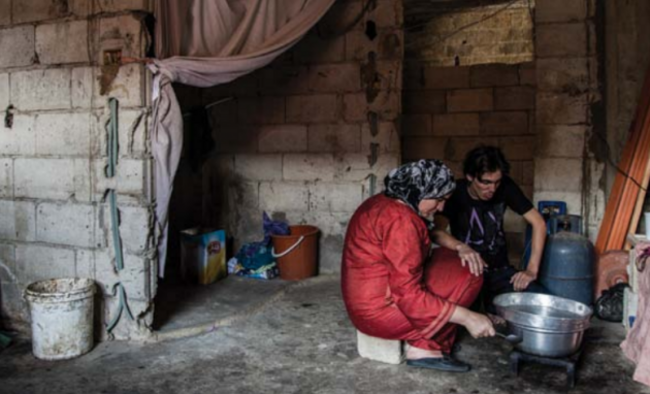
A new report from the UN’s refugee agency, UNHCR, found that 1.4 million of these people fled across international borders becoming refugees, while the rest were displaced within their own countries.
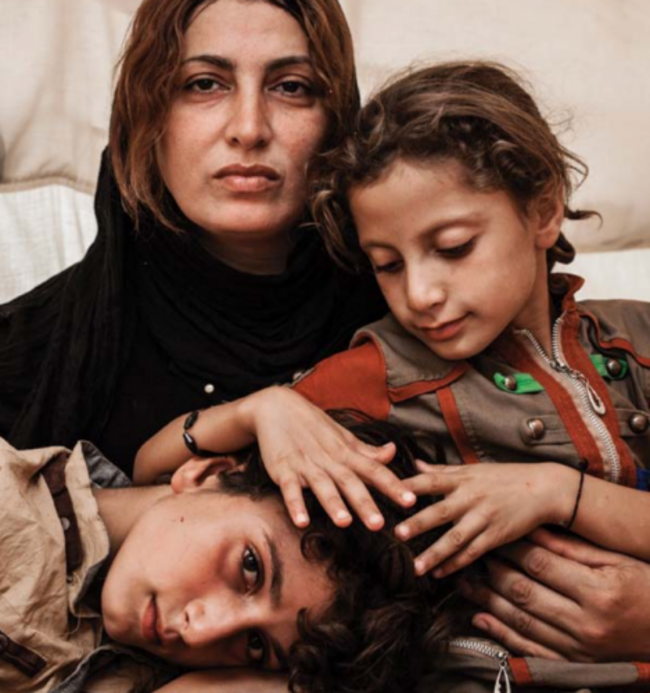
The number of people being helped by the agency stood at 46.3 million as of mid-2014. That is 3.4 mullion more than the end of 2013 and a new record high.
For the first time, Syrians have become the largest refugee population under UNHCR’s mandate, overtaking Afghans who held that position for more than three decades.
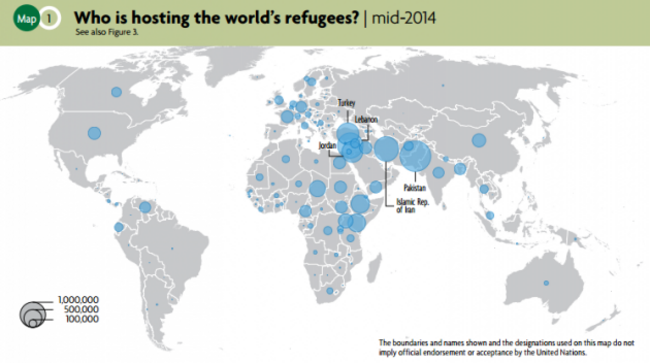
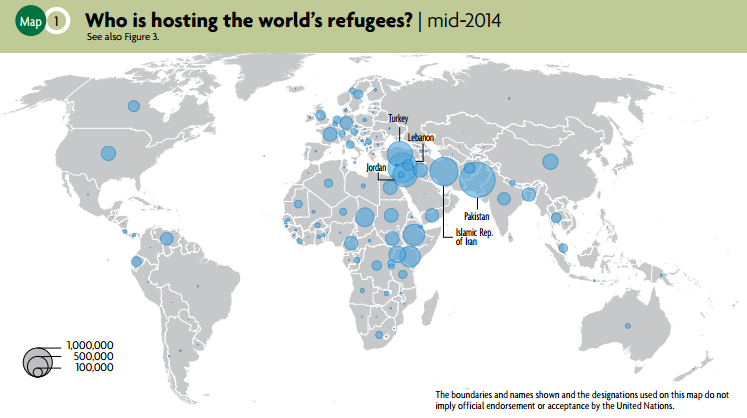
Pakistan, which hosts 1.6 million Afghan refugees, remains the biggest host country in absolute terms. Other countries with large refugee populations include Lebanon, Iran, Turkey, Jordan and Ethiopia.
Ireland currently hosts just over 6,000 people who have received refugee status. A further 5,149 asylum seekers – most living in direct provision accommodation – are awaiting decisions on their applications.
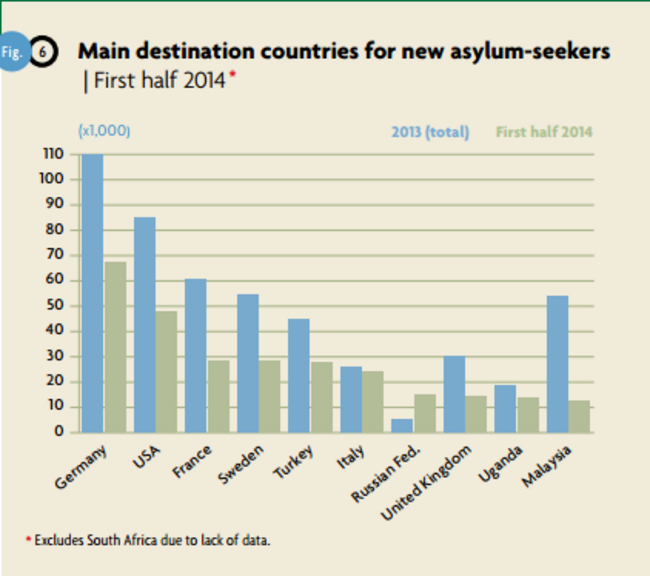
The UNHCR report shows the main destination for new refugees in the first half of last year was Germany, followed by the USA, France and Sweden.
“In 2014 we have seen the number of people under our care grow to unprecedented levels. As long as the international community continues to fail to find political solutions to existing conflicts and to prevent new ones from starting, we will continue to have to deal with the dramatic humanitarian consequences,” commented UN High Commissioner for Refugees António Guterres.
“The economic, social and human cost of caring for refugees and the internally displaced is being borne mostly by poor communities, those who are least able to afford it. Enhanced international solidarity is a must if we want to avoid the risk of more and more vulnerable people being left without proper support.”

To embed this post, copy the code below on your site















have your say