Sign in. It’s quick, free and it’s up to you.
An account is an optional way to support the work we do. Find out more.
Sign in. It’s quick, free and it’s up to you.
An account is an optional way to support the work we do. Find out more.
This article first appeared on 21/12/2015
OLD NAMES WE all remember from our childhood playing extended cameos. Talented young actors in starring roles. Rebel alliances.
RTÉ certainly picked an opportune time to unveil its epic new 1916 drama to the press.
Any comparisons to events that may have happened in A Galaxy Far Far Away will have to end there (thankfully – those three tortured references in the first paragraph took an inordinate amount of effort): this isn’t a clear-cut white hat/black hat version of history.
The characters in ‘Rebellion’ run the gamut from hardcore radicalised republican, to pawn of the occupying British forces. In between there are opportunists, reluctant volunteers – and more than a few characters simply trying to get on with living their lives: making dinner plans for Easter, that sort of thing.
TheJournal.ie joined cast, crew and other members of the media for a screening of the first episode of the lavish 1916 series in Dublin’s Lighthouse Cinema this afternoon.
So here’s everything you need to know about the five-part historical drama the folks at Montrose are hoping will live up the standard set a quarter of a century ago by Strumpet City (their words, not ours)…
The action centres on an array of fictional characters living in Dublin in the years leading up to 1916. Major historical figures show up from time to time, but don’t hog screentime (‘Padraig Pearse: Lust for Glory’ this isn’t).
From the RTÉ press blurb:
“Rebellion begins with the outbreak of World War I, as expectations of a short and glorious campaign are dashed, social stability is eroded and Irish nationalism comes to the fore.
“The tumultuous events that follow are seen through the eyes of young women and men and their families, lovers and friends from Dublin, Belfast, and London as they play vital and conflicting roles in the narrative of the pursuit of independence.
Some prioritise family loyalties; some are motivated by the noblest of ideals and some by opportunism; while others take up arms, prepared to sacrifice everything for the dream of a better society.
Writer Colin Teevan (he also penned last year’s ‘Charlie’) says he decided against portraying the events through the eyes of the likes of Pearse, Connolly and Markievicz – “the ‘great man’ view of history” – early on.
“What I’d never seen before and what I wanted to explore was what it was like to actually live through that period,” says Teevan.
I also wanted to explore all viewpoints of Irish life at the time: not only the idealist nationalists and socialists who went out to fight (they were a tiny minority after all) but also the disenfranchised poor, the cynics, the realists, the democratic nationalists, the Anglo-Irish ascendency and the middle classes, many of whom can best be described as small ‘c’ conservatives.
The likes of Pearse, Connolly and de Valera all pop up in the first episode – as does a gun-toting Countess Markievicz.
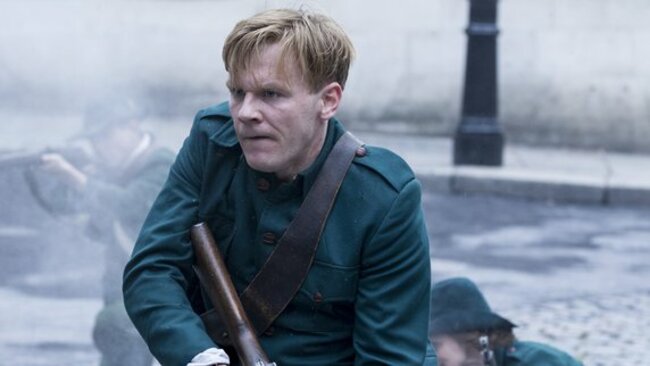
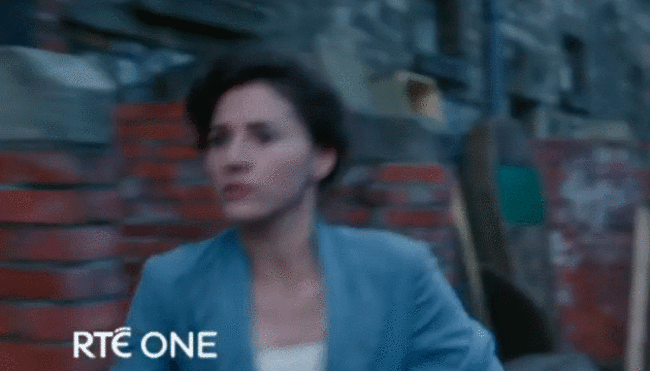
Charlie Murphy – Siobhán from Love/Hate – puts in a fine performance as yet another apparently-innocent-but-quietly-duplicitous young Dublin woman: this time out, she’s an amateur actress and doctor-in-training named Elizabeth – raised a Protestant by her well-to-do mixed-marriage parents in the leafy surroundings of suburbia. As the press notes put it: “the Rising forces her to choose between her class or her politics.”
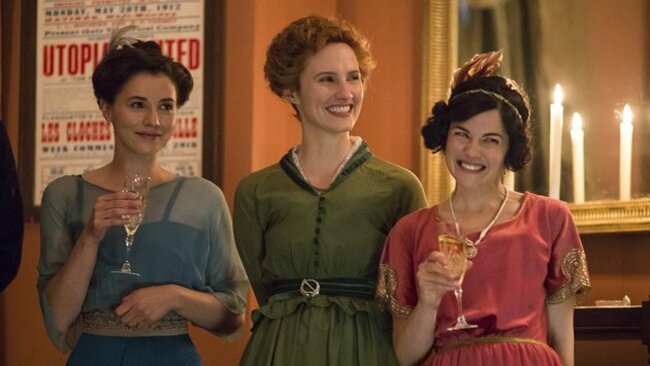
The other main protagonists (three out of the five are women) are May, a civil servant from Cork working in Dublin Castle who just happens to be having an affair with one of the main British colonial administrators; Frances, a teacher at Pearse’s St Enda’s school in south Dublin and a passionate follower of the revolutionary leader; Arthur, a Dubliner from the tenements, who enlists as a soldier in the British Army to support his family; and Arthur’s brother Jimmy, a socialist revolutionary (and apparently, Connolly’s chief typesetter).
Along with Murphy, Brian Gleeson (Jimmy) is probably the best known actor in the production. As you might imagine (sure it’s half the fun of watching Irish dramas) other familiar faces pop up from time to time: Kieran O’Reilly, the guard who was actually a guard from Love/Hate makes an appearance early-on as a British Army officer; as does Barry Keoghan, the young head-the-ball who shot the cat with the machine gun (he’s still at it – this time around he’s manufacturing bombs and dropping Cú Chulainn references under the watchful gaze of Pearse at St Enda’s).
Irish audiences will be familiar with the writer (Teevan – see above) from last year’s Charlie Haughey drama – but the director, perhaps less so. Aku Louhimies is from Finland: you may remember him from such TV series as Uusi Päivä, Irtiottoja and the movie 8-Ball (no?).
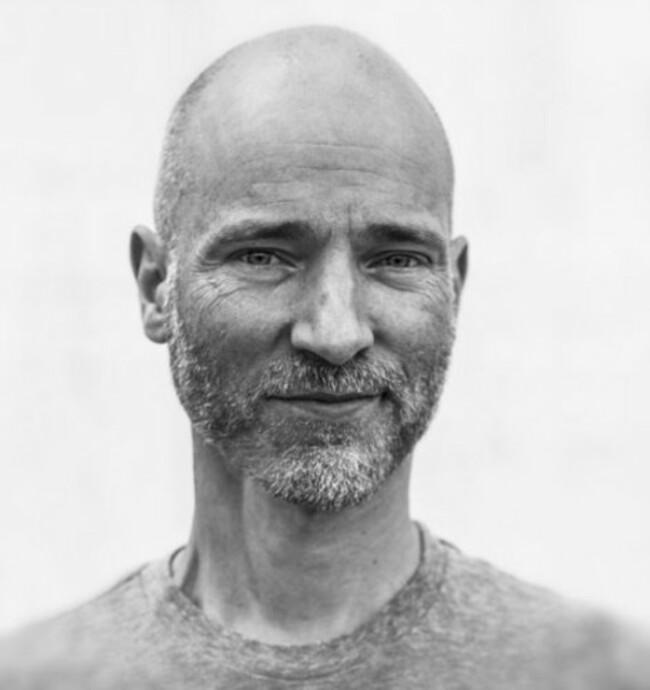
Not being Irish may have been an advantage when it came to helming the 1916 drama, Louhimies says.
“Well I guess I would bring something different. I hope it’s an advantage, that I bring the perspective of the outsider. It’s hard for me to judge.
Of course the approach comes more from the script and the story rather than from a political background. But then again, it’s you know, it’s the kind of subject matter that people have lots of different expectations of, so we’ll see.
In a word, yes. It takes a while to get going – but then again there are five main characters and over a dozen secondary ones to introduce, so that’s probably to be expected.
The fact that Rebellion doesn’t focus on figures like Pearse and de Valera is, frankly, a relief. They make only fleeting appearances in the first outing – and as a result the episode avoids the pitfall of coming across more like a primary school history lesson than a drama.
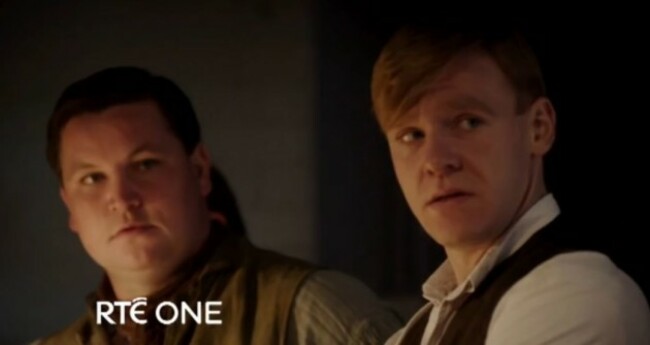
While some of the performances are better than others (one or two of the English characters register somewhere to the north of ‘Queen Mother’ on the posh-o-meter) the ensemble cast puts in a strong showing for the most part.
“History gave us the plot,” Teevan said after today’s screening. “The characters were all trying to live their lives.”
By focusing on fictionalised characters that span the city’s social classes, rather than the leaders of the nascent rebellion, the writer makes it easier for the viewer to imagine being swept up in the events of the time – and to ask ‘how would I have reacted?’.
So – a positive start. Whether it all holds together over five episodes, of course, remains to be seen.
Rebellion will air on the Sundance TV channel in the US after its early 2016 run in Ireland.
The first episode will air at 9.30pm on RTÉ One on Sunday 3 January.
It runs for five weeks.

To embed this post, copy the code below on your site













have your say