Sign in. It’s quick, free and it’s up to you.
An account is an optional way to support the work we do. Find out more.
Sign in. It’s quick, free and it’s up to you.
An account is an optional way to support the work we do. Find out more.


LAST UPDATE | 25 mins ago
IN IRELAND, WE drink a lot of coffee. In an Amárach survey of 1,000 Irish adults, commissioned by Java Republic, 76% identified as coffee drinkers (79% of men and 73% of women).
Almost half (47%) reported drinking more coffee now than they did 10 years ago, with 68% drinking 1–2 cups per day and a further 25% drinking 3–4 cups per day. Before the Celtic Tiger era, many of us might have been happy with instant coffee, but the sheer explosion of high-street coffee shops serving espressos, americanos, flat whites, lattes and cappuccinos has turned us into a nation of connoisseurs.
We even have a National Coffee Day (29 September), in case you were wondering, International Coffee Day (1 October), first launched in Milan in 2015 to celebrate the world’s third favourite drink (after water and tea), while also promoting fair trade coffee and raising awareness of the challenges faced by coffee growers. These include climate change, pests and diseases, unpredictable coffee prices, labour shortages and wage issues, supply-chain problems and limited access to money and resources. It’s a tough old grind out on the plantations.
Coffee has been big business for a long time. Wild coffee plants were native to the Ethiopian plateau region of Kaffa, however it is unclear how or when exactly they became domesticated. One story goes that Kaldi, a goatherd who lived around the year 850AD, sampled some berries on which his goats had been feeding, and consequently felt a sense of exhilaration.
Around the 15th century, coffee plants were imported to Arabia (now Yemen) and farmed, with Sufi monks among the first to brew coffee as a stimulating beverage.
Coffeehouses began springing up in Mecca in the 15th century and Constantinople (now Istanbul) in the 16th. With the growth of the Ottoman Empire and the entrepreneurship of Venetian merchants, coffee then spread through Europe and Asia. Coffee farming reached Java and Hawaii in the 17th century and the Americas in the 18th.

The “americano” got its name during the second world war, when US soldiers stationed in Italy began diluting their espressos. Today, Brazil, Vietnam, Colombia, Indonesia and Ethiopia are the world’s biggest coffee producers, with an evolving emphasis on organic, fair-trade and sustainably produced coffee over the past few decades.
Instinctively, as with many of life’s pleasures, we think coffee must be bad for us. For example, psychiatrists will sometimes advise their patients to cut down. Caffeine is a stimulant, after all, and too much of it can worsen worry and anxiety, make you more jittery and interfere with your sleep – especially if you drink it too late in the day.
Caffeine has a “half-life” of 3–7 hours. This means that if you drink a cup at 6pm, half of its caffeine might still be in your body at midnight, keeping you awake. And caffeine is also a mild diuretic, which may mean waking up at night to go to the toilet. Moreover, caffeine is physiologically addictive, meaning that if you suddenly stop drinking it after prolonged regular use, you might experience headaches, fatigue, irritability or difficulty concentrating for a few days.

But it would be quite wrong to think of coffee as inherently harmful, especially if we avoid too much cream or sugar. A recent statement by the American Heart Association highlighted that the relationship between caffeine and cardiovascular health is complex. For most people, drinking moderate amounts of black coffee (up to 400mg caffeine – or five single espressos depending on strength) each day is not only safe, but it may actually lower the risk of stroke and heart disease.
However, higher amounts of daily caffeine (such as those found in high energy drinks and energy shots) may increase the risk of high blood pressure and irregular heart rhythm. As with all such statements, the caveat is given that more research is needed.
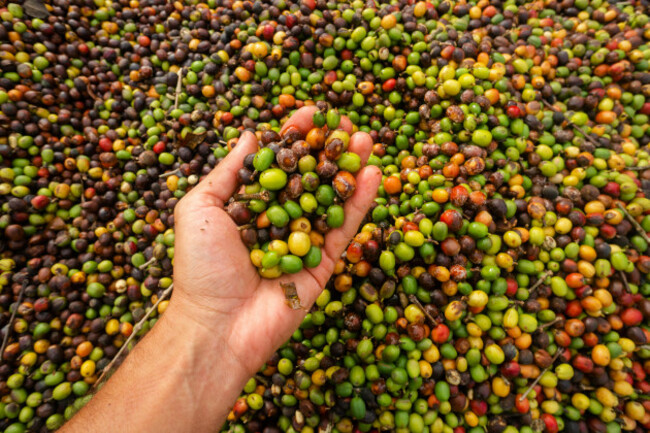
But there is already quite a bit of research highlighting the benefits of moderate coffee consumption in relation to longevity. An “umbrella” review (a very large study of other large studies) published in the British Medical Journal in 2017 examined links between coffee consumption and health outcomes in adults. The review identified more than 200 meta-analyses (which are themselves large studies that pool and analyse data from smaller studies).
For a range of outcomes, the authors found that drinking coffee was more likely to be beneficial than harmful. The biggest difference related to drinking 3-4 cups daily versus none at all. These coffee drinkers enjoyed lower “all-cause mortality” (death from any cause), cardiovascular mortality and cardiovascular disease. Drinking coffee also appeared to be linked to lower risks of certain cancers, neurological illnesses, metabolic illnesses (like diabetes) and liver problems. Any harm attributed to coffee apparently disappeared when the data were adjusted to take smoking status into account (except in pregnancy). The only real downside noted by the authors was a slightly increased risk of fractures in women who drank coffee (but not in men, for some reason).
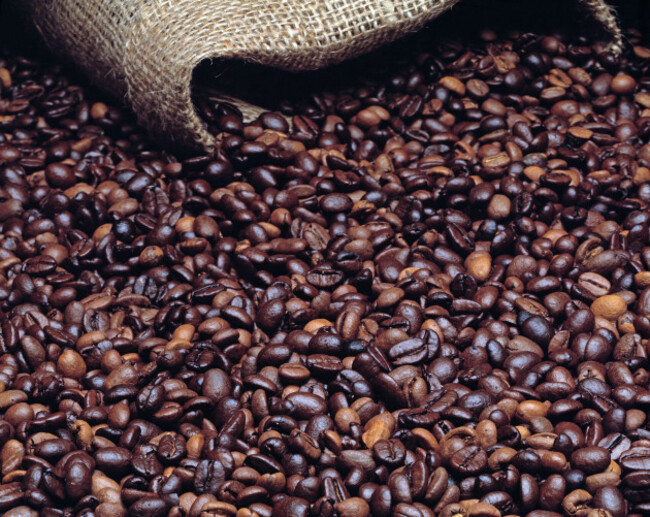
A more-recent meta-analysis of coffee consumption and mortality, published in the European Journal of Epidemiology in 2019, commented on exactly how much coffee is optimum. The authors pooled data from 40 studies and this meant that some 3.85 million people were studied. Broadly speaking, the authors linked drinking up to 3.5 cups of coffee daily with reduced all-cause mortality, up to 2.5 cups daily with reduced risk of death due to cardiovascular disease, and up to two cups daily with reduced risk of dying from cancer.
Drinking any more coffee than this did not yield any reduced mortality, according to the authors. Still, their results held firm when the data were controlled for age, obesity, alcohol consumption, smoking and even whether or not the coffee contained caffeine. Strangely perhaps, the benefit of coffee seemed to be stronger in Europe and Asia than in the US. To a less-specific extent, the authors also linked moderate coffee consumption with reduced death from lung diseases and diabetes.
So, in the weeks around National Coffee Day, it appears your cuppa has been sweetened by the knowledge that moderate consumption is probably good for your health.
Specifically, we might say that coffee yields five health wins and five things to watch:
Improved alertness and concentration: by blocking the neurochemical adenosine, caffeine helps to reduce fatigue and improve mental performance.
Better physical performance: coffee can enhance endurance and exercise performance by increasing adrenaline levels and reducing your perceived effort.
Richness in antioxidants, which may help to protect the body’s cells from damage.
Reduced risk of certain diseases as outlined in the studies mentioned, provided the coffee consumption is moderate.
Reduced risk of premature death (although the studies cannot prove that coffee is the actual cause).
Sleep disruption: caffeine can make it harder to fall asleep or reduce sleep quality, especially if consumed later in the day.
Anxiety: higher caffeine intake can make you more worried or restless, particularly if you are sensitive to it.
Digestive issues: coffee may worsen acid reflux, heartburn or stomach discomfort in some people, while it can also stimulate bowel activity.
Temporarily raised blood pressure, which can be problematic for people who already have hypertension or other cardiovascular issues.
Dependence: caffeine is physiologically addictive, so if you suddenly stop drinking coffee after prolonged regular use, you might get withdrawal symptoms.
On a final note of caution, don’t drink your coffee too hot. A recently published study of around a million UK adults linked regular consumption of high-temperature beverages (more than 70℃) with oesophageal cancer. Better to drink your coffee warm instead. Beyond that, as with most things in life, the key is to find the right blend of enjoyment and moderation.
Dr Stephen McWilliams is a consultant psychiatrist at St John of God University Hospital, Stillorgan, Co Dublin, a Clinical Associate Professor at the School of Medicine, University College Dublin, and an Honorary Clinical Senior Lecturer at RCSI University of Medicine and Health Sciences. He enjoys his coffee.
To embed this post, copy the code below on your site














have your say