Sign in. It’s quick, free and it’s up to you.
An account is an optional way to support the work we do. Find out more.
Sign in. It’s quick, free and it’s up to you.
An account is an optional way to support the work we do. Find out more.
A MALIAN JIHADIST will seek forgiveness from his people for attacking the world heritage site of Timbuktu when he pleads guilty at an unprecedented case before an international war crimes court, his lawyer said this week.
Ahmad Al Faqi Al Mahdi will become the first person to admit to war crimes charges before the International Criminal Court (ICC) based in The Hague at a joint hearing and sentencing due to be held in the coming months.
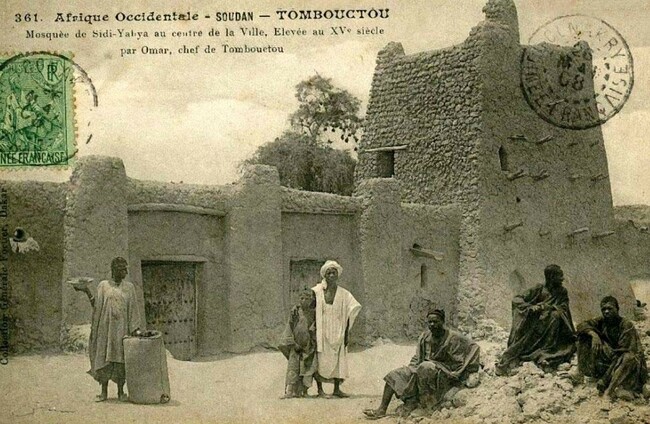
He stands accused of jointly ordering or carrying out the destruction of nine mausoleums and a section of Timbuktu’s famous Sidi Yahia mosque, a UNESCO-protected world heritage site dating back to the 15th and 16th centuries.
Mahdi is the first jihadist suspect to appear before the ICC and the first person to be solely charged with war crimes for an attack on a global historic and cultural monument.
Mahdi, who is aged around 40, had told his defence lawyer, Mohamed Aouini, he was “a Muslim who believes in justice.”

“He wants to be truthful to himself and he wants to admit the acts that he has committed,” Aouini told a hearing at the ICC Tuesday.
And he wants to ask at the same time for pardon from the people of Timbuktu and the Malian people.
“He regrets all the actions that he has committed,” Aouini added.
Destroying ancient shrines
Mahdi will admit a single charge of “the war crime of attacking buildings dedicated to religion and historic monuments” in 2012, when many of the ancient shrines were destroyed.
Reuters reported at the time that Jihadist Islamists in Timbuktu had destroyed a number of important world heritage sites in a bid erase all traces of what they regarded as un-Islamic idolatry.
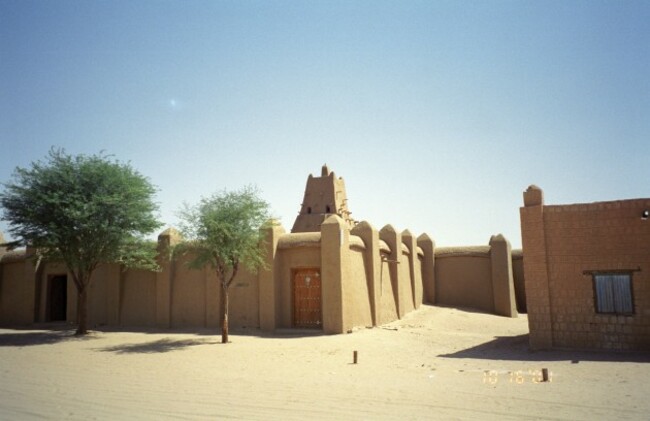
The Jihadists broke down the doors to the Sidi Yahya Mosque – which locals had said must be remained shut until the end of the world.
Mahdi’s prosecution comes amid a global outcry over the razing by the so-called Islamic State group of sites in Iraq and Syria that bear testament to the world’s collective history.
ICC prosecutors say Mahdi was a leader of Ansar Dine, a mainly Tuareg group that controlled areas of Mali’s northern desert together with Al-Qaeda in the Islamic Maghreb (AQIM) and a third local group in early 2012.
Judge Raul Pangalangan said the court had hoped to open the trial in mid-June, but both the defence and prosecutors asked for longer to prepare, and suggested 25 August.
Pangalangan said judges were “willing to accommodate a request” to start the trial after the Muslim festival of Eid al-Fitr which ends the fasting month of Ramadan in early July.
“However the chamber emphasises that this trial needs to proceed expeditiously,” he warned, appearing to signal that late August was too far away. The judges will issue a decision on the trial’s start date later.

To embed this post, copy the code below on your site














have your say